"That means less delay, less uncertainty, and more local decision-making power," Santa Monica Mayor Caroline Torosis said in late May 2026, announcing that the city had finally agreed to a framework with the California Coastal Commission to complete its first-ever Local Coastal Program.
It's a good line, and it might even turn out to be true. But not this year. Not for anyone closing on a house this fall with a renovation in mind. The framework the city and the Commission agreed to is a plan to make a plan, with a certification target of the end of 2027. Until then, the rules that decide how long your project sits in plan check are exactly the rules that exist today, and those rules split Santa Monica into two very different cities depending on which side of one line your address falls.
The Line Nobody Points Out at the Open House
Walk a listing in Ocean Park and a listing in Sunset Park on the same Saturday and you might come away thinking you toured two versions of the same house. Similar era, similar bones, similar price tier. What the flyer won't tell you is that one of them sits inside the California Coastal Zone and one almost certainly doesn't.
The boundary runs roughly along Lincoln Boulevard, though it isn't a perfectly straight line. North of Pico, the zone reaches inland only to 4th Street. South of Pico, it extends out to Lincoln, and Ocean Park sits almost entirely inside it. North of Montana and most of Sunset Park sit outside. Downtown Santa Monica and the Wilshire corridor fall inside as well, since the Coastal Zone was drawn to cover the Third Street Promenade and the blocks around it.
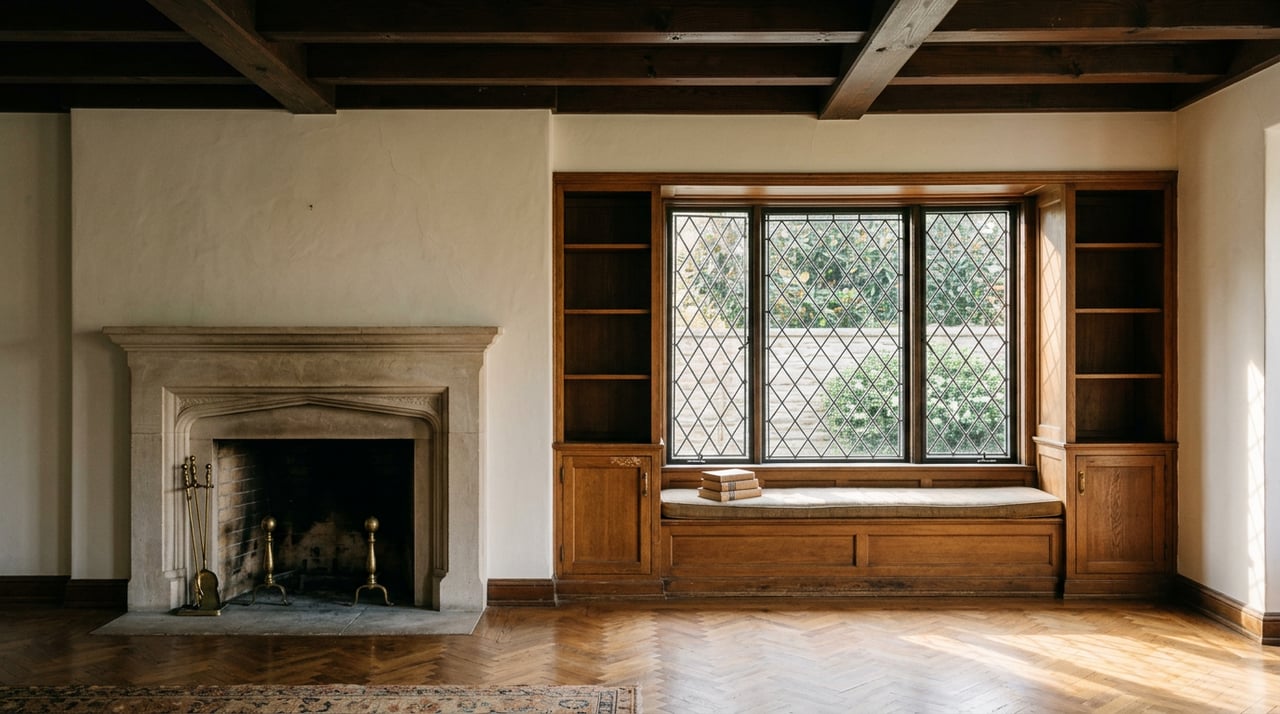
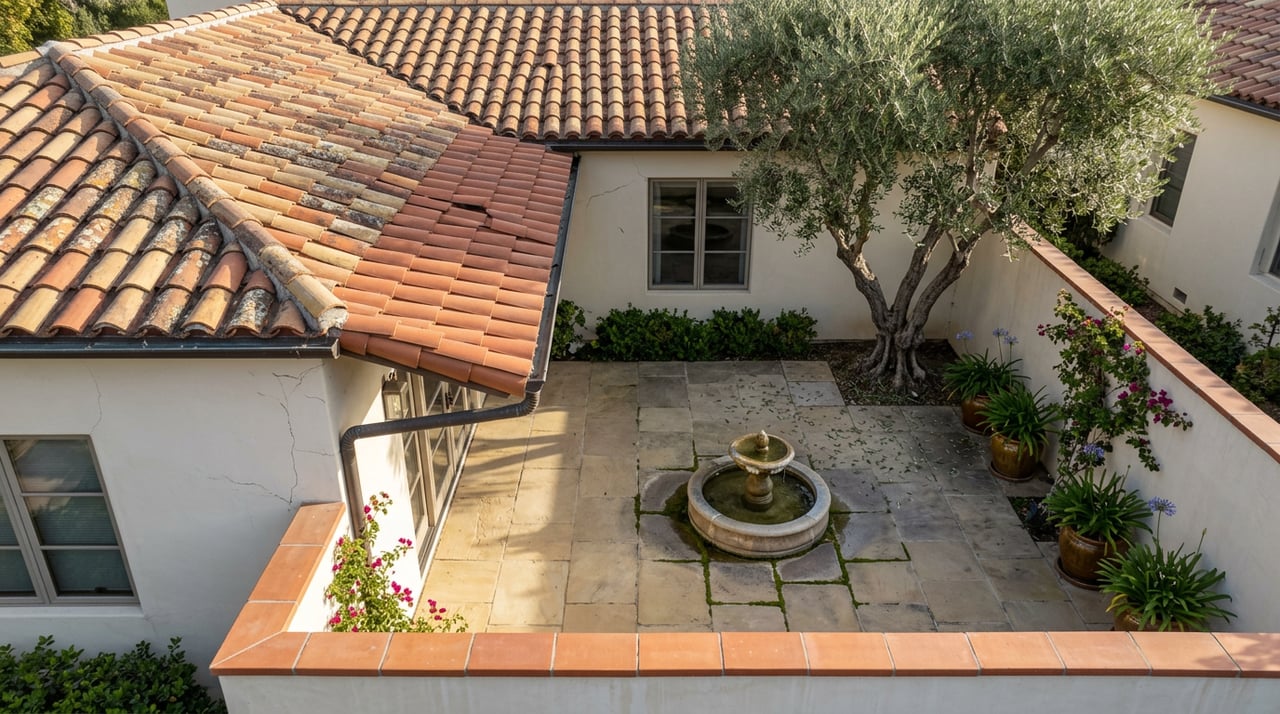
That single fact means a 1920s Spanish bungalow in Ocean Park and a 1940s Spanish Colonial in Sunset Park can look nearly identical on a listing sheet and still answer to two different permitting authorities the moment a buyer wants to touch the exterior.
What Actually Triggers the Extra Review
The Coastal Act defines "development" broadly enough that plenty of ordinary homeowner projects trigger it without anyone realizing until the plan check comes back. Inside the zone, a Coastal Development Permit generally comes into play when a project does any of the following:
- Adds a room, expands a deck, or encloses a patio
- Raises the roofline or adds a second story, even if total square footage doesn't change
- Increases the lot coverage of the existing structure
- Adds a detached or attached ADU that changes the intensity of use on the lot
- Converts a single-family home into a duplex or otherwise increases density
What doesn't trigger it is narrower than most buyers assume. A gut renovation that leaves the exterior walls, structural framing, and roofline untouched generally stays on the standard building permit track. Like-for-like roof and fence repairs, and simple repainting, are treated as maintenance rather than development. That distinction is the whole game if you're buying a character home planning to modernize the kitchen without touching the shell.
Same House, Two Very Different Clocks
| Project and location | What's required | Typical timeline |
|---|---|---|
| Room addition or roofline change, inside the Coastal Zone | Coastal Development Permit plus building permit | Roughly 18 to 24 months |
| Same project, outside the Coastal Zone (North of Montana, most of Sunset Park) | Standard building permit only | Roughly 6 to 9 months |
| ADU that conforms to the certified Local Coastal Program's standards, inside the zone | Ministerial CDP review | Often a matter of weeks, though several months if the design needs adjustment |
These are typical ranges rather than guarantees. Every contractor, plan set, and plan checker's caseload moves at its own pace. But the gap between the top row and the second row is the number that should change how a buyer reads a listing, not the median price.
The ADU row matters too, because it shows the zone alone doesn't tell the whole story. A detached ADU designed to fit the Local Coastal Program's existing standards can clear its coastal review in weeks. A room addition or a raised roofline on the same lot, in the same zone, can sit in discretionary review for close to two years. The zone determines whether extra review applies at all. The scope of the project determines how painful that review actually is.
Ocean Park's Extra Layer
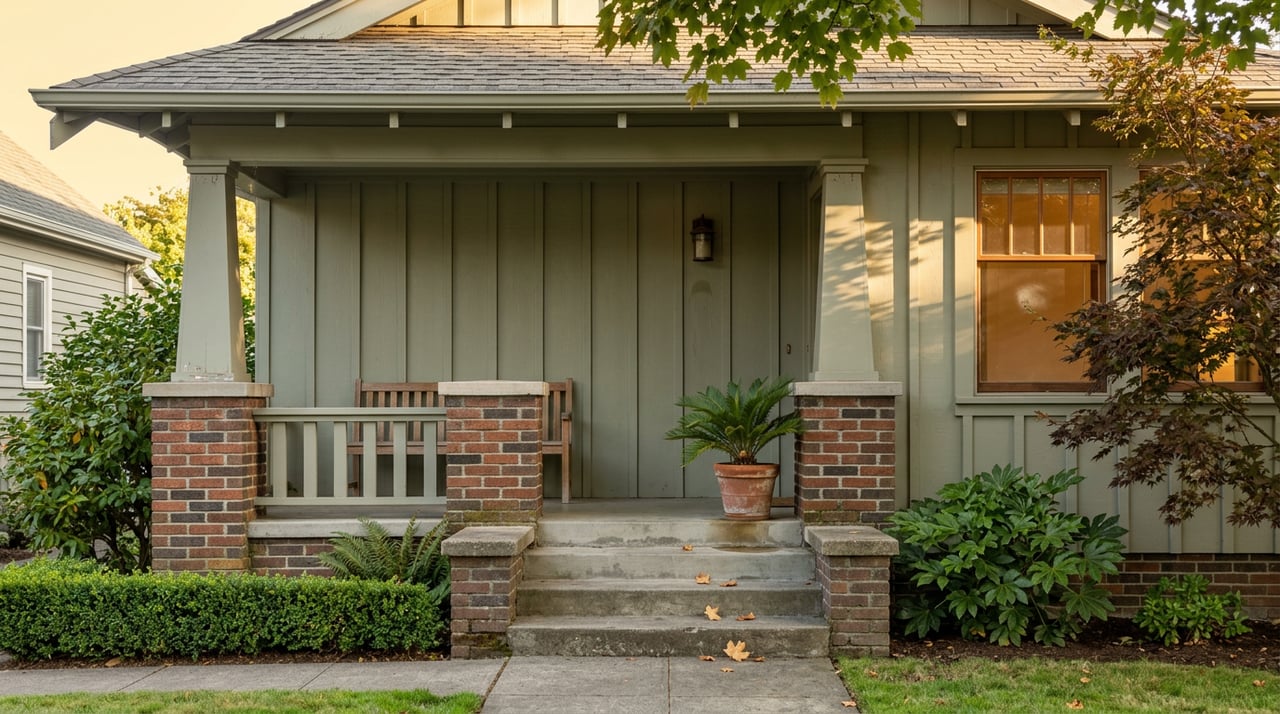
Ocean Park carries one more wrinkle that a lot of buyers never hear until they're already in escrow. Tucked between Ocean Park Boulevard and Hill Street sits the Third Street Neighborhood Historic District, a pocket of turn-of-the-century California bungalows. If a property there is listed as a contributing structure, exterior changes go through the city's Landmarks Commission before they go through anything else, in addition to whatever Coastal Development Permit review already applies. A non-contributing home three doors down skips that step entirely and moves straight to the standard permit path.
This is the kind of detail that separates a bungalow that's genuinely move-in ready for a light cosmetic refresh from one where a buyer's Pinterest board for a rear addition needs to survive two separate discretionary bodies before a single wall comes down.
The MOU Doesn't Move Today's Clock
It's worth saying plainly what the June agreement actually does and doesn't do. The city and the Coastal Commission signed a memorandum of understanding, not a certified Local Coastal Program. Work on the actual land use and zoning documents began in July 2026, and the city's own announcement puts the certification target at the end of 2027. As of this writing, that work is roughly two months in, and coastal permitting authority for most discretionary projects still sits with the Commission, not the city, meaning the current timelines apply for the foreseeable future.
For a buyer touring homes this fall, that means the 18 to 24 month range isn't a historical artifact you can wave away because "the city is fixing it." It's the reality for at least the next year, and likely longer if the process runs anything like most multi-year municipal planning efforts do.
Five Questions Worth Asking Before You Write the Offer
- Is the exact address inside or outside the Coastal Zone? The line shifts slightly north and south of Pico Boulevard, so a rough mental map of "west of Lincoln" isn't precise enough on its own. The city's Coastal Zone map shows the boundary parcel by parcel.
- Does the renovation plan touch the exterior, footprint, or roofline, or is it interior-only? That answer determines which of the timelines above actually applies to you.
- Is the property a contributing structure in the Third Street Neighborhood Historic District, or otherwise on the city's Historic Resources Inventory? That status has to be disclosed at sale, and it adds a review step that has nothing to do with the Coastal Zone.
- If an ADU is part of the plan, does the design conform to the standards that qualify for ministerial review, or does it need something outside the box that triggers full discretionary review?
- Does the contractor bidding the job have recent, specific experience with Santa Monica's Coastal Development Permit process, not just general Los Angeles permitting? The city's plan review resources are a reasonable starting point for verifying what a given project actually requires before you assume anything.
A Short FAQ
Does the Coastal Zone follow zip codes? No. It follows a boundary that runs roughly along Lincoln Boulevard south of Pico and pulls in to 4th Street north of Pico, which means two homes in the same zip code can sit on opposite sides of the line.
Will the 2026 MOU speed up my permit this year? No. The agreement sets up a planning process aimed at certification by the end of 2027. Current rules and current timelines apply until that certification is complete.
Are ADUs always the faster path inside the Coastal Zone? Often, if the design conforms to the standards that qualify for ministerial review. Anything that pushes past those standards, whether it's size, placement, or a change in how the lot is used, can fall back into the slower discretionary track alongside room additions and roofline changes.
Where This Leaves a Buyer
None of this means Ocean Park or Downtown are worse bets than North of Montana or Sunset Park. It means the renovation plan in your head has to be tested against the specific parcel, not the neighborhood's reputation. A light cosmetic refresh on a contributing bungalow in the historic district can move quickly. A rear addition on a non-historic lot two blocks away might sit in review for the better part of two years. The only way to know which situation you're walking into is to ask before you write the offer, not after.
That's the kind of groundwork Jose Prats and the team do on every character home we bring to market, from confirming zone status and historic designation to lining up the right renovation advisors before a client ever falls for an archway. Discover character homes and schedule a showing when you're ready to see what a specific address actually allows.