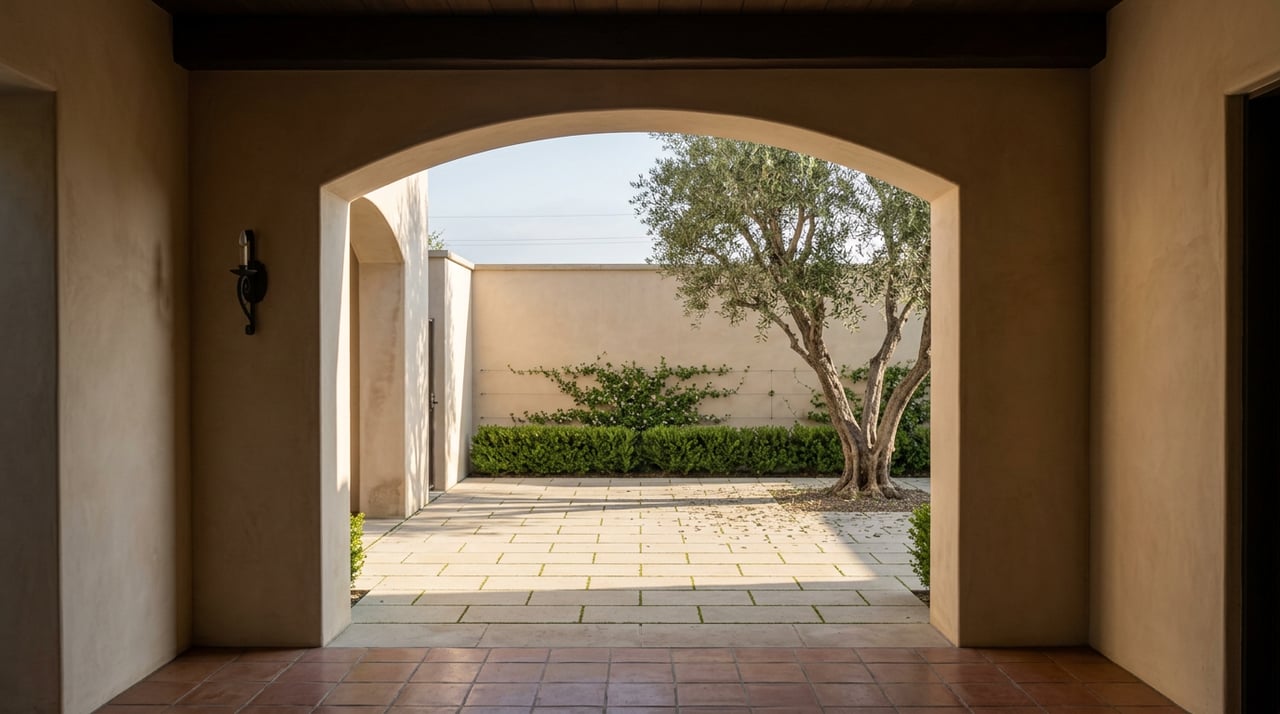
A seller in Sunset Park calls with a 1928 Spanish courtyard triplex. Arched doorways, a shared tiled patio, the kind of building that photographs like a postcard. She wants a number before she calls a broker, so she pulls three recent comps on the same street and does the math herself. Her estimate lands about $180,000 above what the property will actually clear.
The gap has nothing to do with her tile work or her landscaping. It has to do with three lease start dates she never thought to check.
That is the thing about rent-controlled character buildings in Santa Monica. The architecture sells the listing. The rent roll sets the price. And the number that actually moves the needle is one almost no seller checks before calling an agent: the Maximum Allowable Rent attached to each unit, and whether that number is about to reset.
The Number the Comps Don't Show
Santa Monica's rent control law, adopted by voters in April 1979, covers rental units in buildings constructed before April 10, 1979. That date range happens to catch nearly every Spanish courtyard building, craftsman fourplex, and 1930s duplex in Ocean Park, Pico, and Sunset Park. If your character multi-unit dates to the era that makes Santa Monica's small-lot housing stock so recognizable, there is a strong chance it falls under the ordinance.
Each covered unit carries a Maximum Allowable Rent, or MAR, tracked by the city's Rent Control Agency and searchable through its public database. The MAR is not a suggestion. It is the ceiling a landlord can legally charge that specific unit, and it follows the unit through a change of ownership. A buyer who closes on your triplex inherits the existing MARs along with the keys.
Every year the Rent Control Board sets a General Adjustment that nudges those MARs upward. For 2026, the Board set the adjustment at 2.6 percent, capped at $70 for units with a prior MAR of $2,674 or higher, effective September 1, 2026, meaning it took hold just a day before this was written. That increase is calculated at 75 percent of the change in the Los Angeles-area Consumer Price Index over the twelve months ending in March 2026, which came in at 3.4 percent. The formula deliberately runs below inflation, which is part of why a long-held tenancy can sit meaningfully under market rent for years.
That gap between MAR and market rent is exactly what a buyer is pricing when they look at your building. Two triplexes on the same block, same architect, same year built, can carry two very different values depending on what each unit is currently allowed to charge and how long the tenants have been there.
Vacancy Decontrol Is the Real Appraisal
Here is the mechanism that does the actual pricing work. Under the state's Costa-Hawkins framework, when a tenant voluntarily vacates a rent-controlled unit, the owner can reset that unit to market rate for the next tenant. Once someone new moves in, that new rent becomes the base MAR going forward, subject to the same annual adjustments as before.
That single rule is why occupancy status, not square footage, is often the first question a serious buyer asks about a Santa Monica character multi-unit. A unit with a tenant who has been in place since 2015 might be sitting thousands of dollars below what the same unit would command vacant. A unit that just turned over resets to whatever the owner listed it at. The building's total value is really the sum of three or four individual bets on when each unit will turn.
This is why buyers of tenant-occupied, rent-controlled properties typically build in a discount, often somewhere in the range of 15 to 25 percent, compared to what a vacant or owner-occupied equivalent would fetch. That discount is not a judgment on the property. It is compensation for the years of below-market rent the buyer is contractually stuck collecting until a tenant leaves on their own terms.
For a seller, this cuts both ways. A building with recent turnover and units already near market rate will price much closer to a comp-based estimate. A building with long-tenured tenants at legacy rents will price meaningfully under it, no matter how beautifully the courtyard has been restored.
What to Pull Before You List
Before a listing photo gets taken, a seller of a covered property needs a documentation trail that has nothing to do with staging and everything to do with what a buyer's lender and title company will ask for.
- The current MAR for every unit, pulled from the city's Look Up a Rent tool or requested directly from the Rent Control Agency at Room 202 in City Hall
- Confirmation that annual registration fees are paid current. The 2026-2027 fee is $240 per unit, roughly $20 a month, half of which can be passed through to tenants with proper notice
- A check for any uncorrected health, safety, or housing code citations. An open citation can freeze a unit's eligibility for the annual General Adjustment entirely
- Documented tenancy start dates for each unit, since eligibility for this year's adjustment specifically required a tenancy that began before September 1, 2025
- Copies of any prior rent adjustment notices, since undocumented increases are one of the most common issues that surface during due diligence
None of this replaces a good photographer or a well-written listing description. It does replace the guesswork that turns a promising offer into a renegotiation three weeks into escrow.
When Sellers Consider the Ellis Act
Some owners of covered buildings decide the cleanest path to a strong sale price is to sell the property vacant rather than tenant-occupied. The only legal mechanism to fully exit the rental business in Santa Monica is the Ellis Act, and it comes with real cost and real timeline.
As of early 2026, relocation payments to displaced tenants run roughly $23,000 to $24,000 per unit, with higher amounts required for tenants who are elderly, disabled, or part of a qualifying family household. For a building with several units and a mix of tenant types, total relocation costs can climb well past $200,000 before the property ever hits the market. The process also requires filing a formal notice of intent with the Rent Control Board followed by individual notices to each tenant, which takes months to complete properly.
Ellis Act withdrawal is not a shortcut. It is a deliberate, expensive decision that only makes sense when the arithmetic of selling vacant clearly outweighs the cost of getting there. For most owners of a well-maintained character duplex or triplex, the better path is simply understanding what each unit is worth in its current state and pricing accordingly.
What This Means If You're the Buyer
The same mechanism that complicates a seller's pricing can work in a buyer's favor, depending on what they actually want. A design-minded buyer looking to live in one unit of a Spanish courtyard duplex and rent the other may prefer a building with a long-tenured tenant at a legacy MAR, since the discount on price can outweigh the below-market rent for years. An investor focused purely on cash flow will look for the opposite: recent turnover, MARs already near market, and a rent roll that reflects current value rather than 2015 value.
Neither approach is right or wrong. They are two different bets on the same set of numbers, and the only way to make either bet intelligently is to see the actual MAR history before writing an offer, not after.
Three Questions That Come Up Before Every Rent-Controlled Listing
Does rent control apply to a single-family character home? Santa Monica's ordinance covers rental units in multi-unit buildings constructed before April 10, 1979. A single-family home the owner occupies is generally outside its scope, though a single-family home with a rented unit or accessory dwelling can raise separate questions worth reviewing with the Rent Control Agency directly.
Does buying a covered duplex mean the tenant stays forever? Not necessarily. Rent control limits the grounds for eviction and the rent that can be charged, but it does not prevent a tenant from choosing to move on their own. When they do, vacancy decontrol lets the new owner reset that unit's rent to market.
Does the MAR reset when the building changes hands? No. The Maximum Allowable Rent belongs to the unit and the tenancy, not the ownership. A new owner inherits the existing MAR for every occupied unit exactly as it stood at closing.
If you are weighing whether to sell a Spanish courtyard building in Sunset Park, a craftsman duplex near the Pico corridor, or any pre-1979 character property in Santa Monica, the smartest first call isn't to an appraiser. It's to someone who can read the rent roll the same way they read the architecture. Jose Prats works with sellers, investors, and design-minded buyers across Santa Monica's character housing stock every day. Reach out to walk through your building's actual numbers before you set a price.