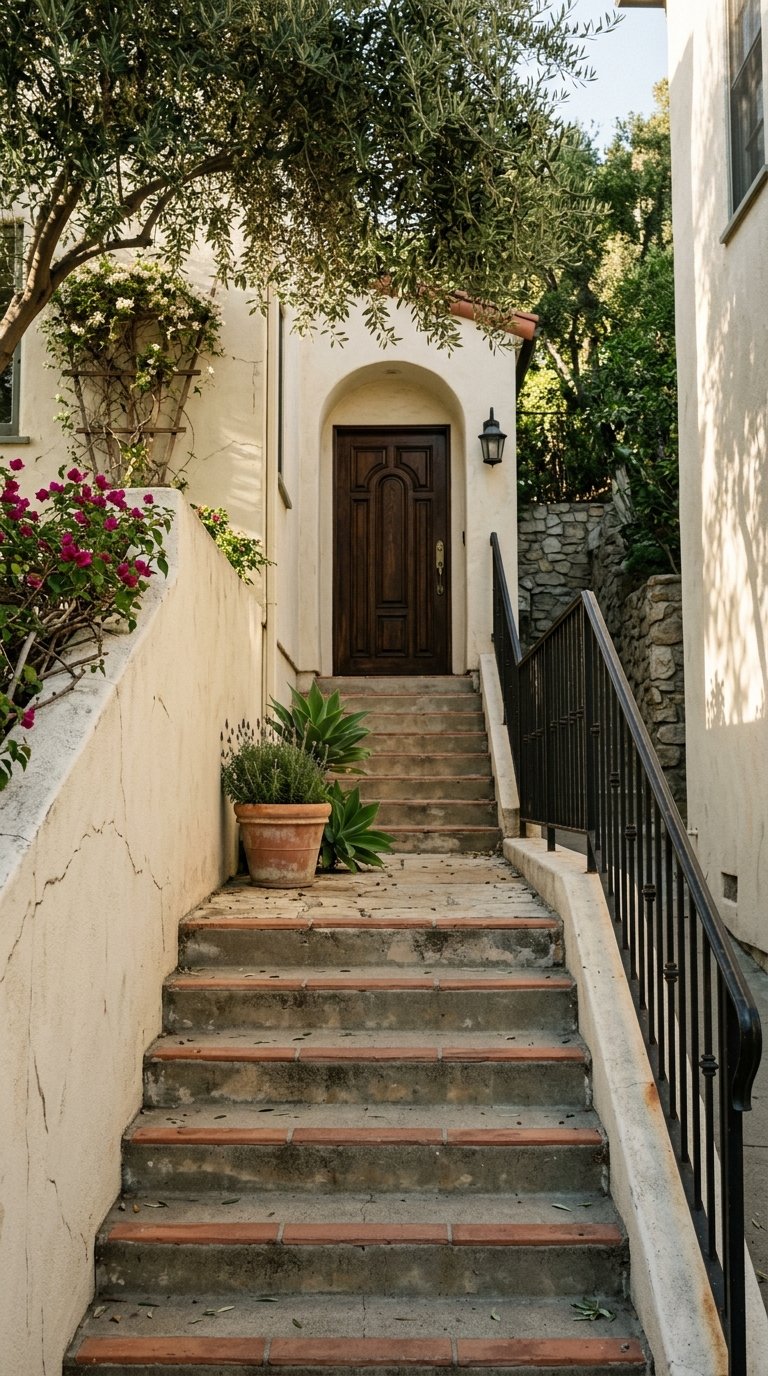
Have you ever climbed a Silver Lake stairway and wondered what sits just beyond the next landing? In this part of Los Angeles, the hills, the reservoir, and the architecture all work together to create a neighborhood that feels layered and surprising. If you love homes with story, design, and a strong sense of place, Silver Lake’s stair streets offer a fascinating way to understand the area. Let’s dive in.
Why Silver Lake Has Stair Streets
Silver Lake’s stair streets are not a quirky afterthought. They grew out of the neighborhood’s steep topography and early development around the reservoir, which became a focal point for the community.
City planning documents note that Silver Lake is one of Los Angeles’ 10 original open-reservoir communities. Homes were oriented to take advantage of hillside and reservoir views, and the surrounding area became known for notable architecture. In a steep landscape like this, public stairways became a practical way for residents to move through the neighborhood.
These stairways still matter today. City records describe them as public rights-of-way that continue to function as pedestrian passages and popular routes for stair walking.
Some stair streets are also treated differently from regular roads. In city review documents, Landa Street is described as a pedestrian staircase where typical vehicular improvements would not make sense because of the steep grade and historic significance.
Why the Stairs Feel So Distinct
Part of Silver Lake’s charm is that the stairs do more than connect blocks. They create a sense of discovery.
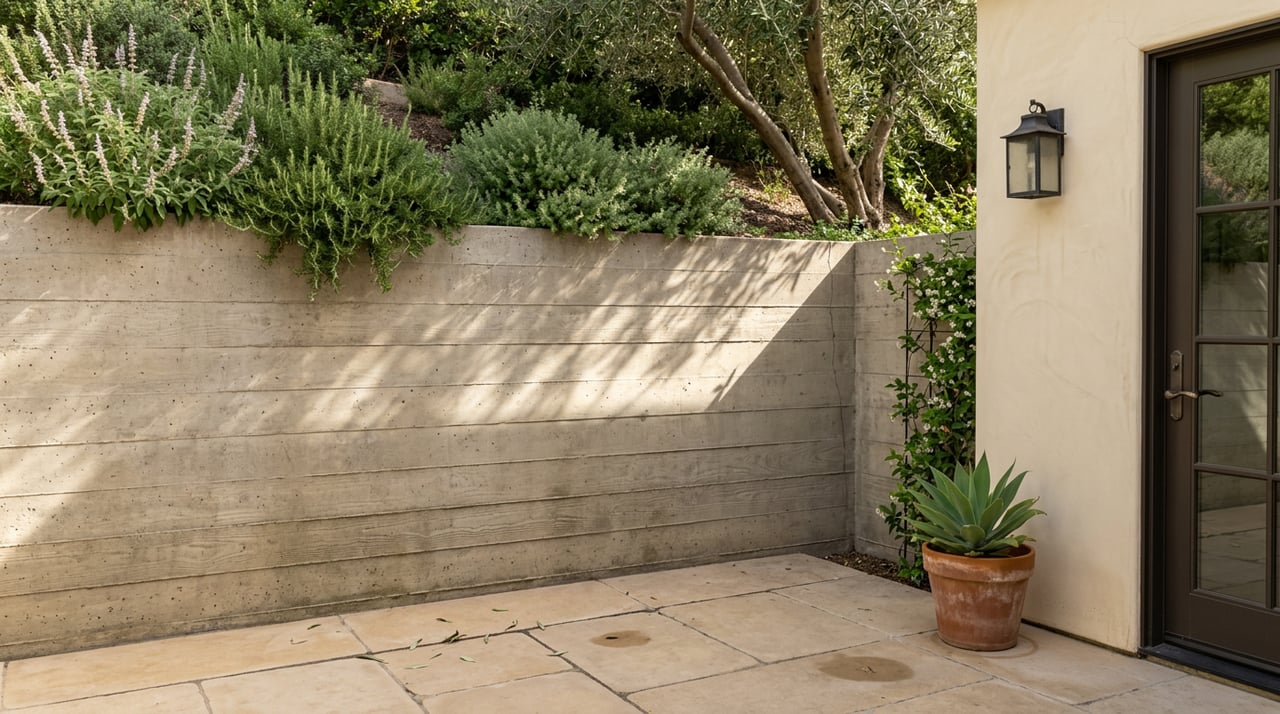
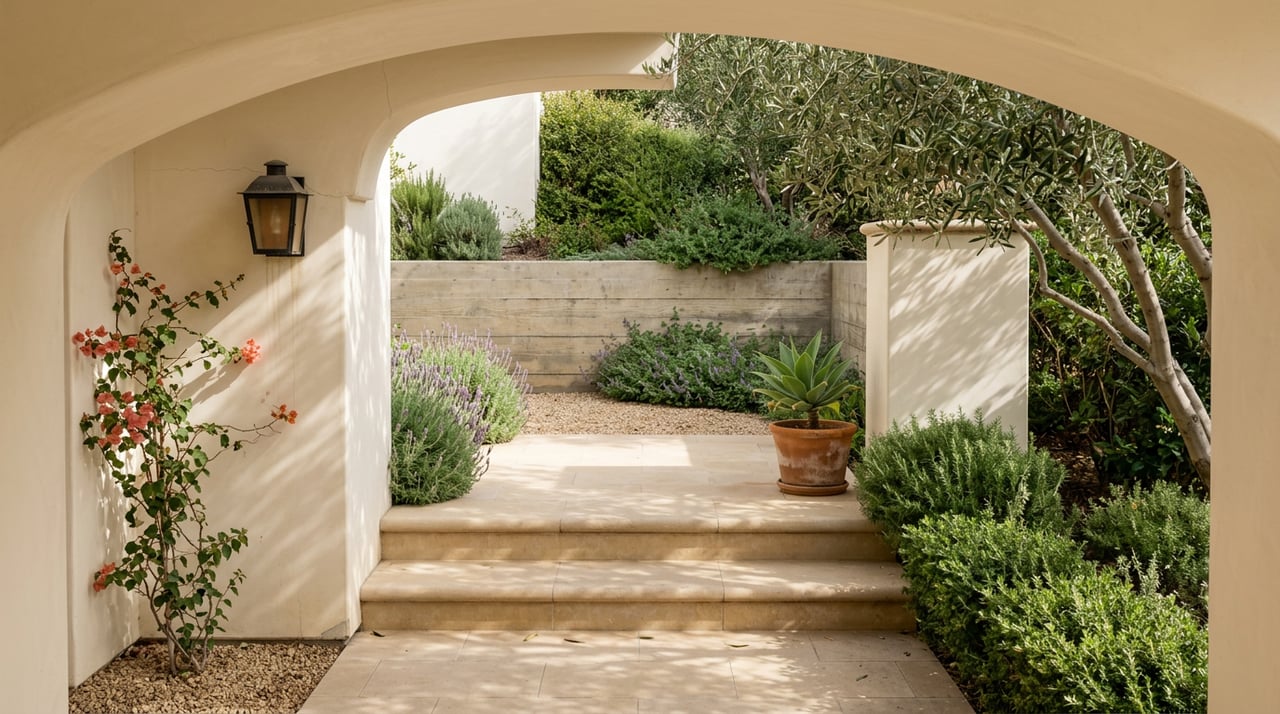
As you climb, you often move between retaining walls, gardens, and quiet hillside edges before reaching homes that feel tucked away from the street. This experience lines up with the city’s hill-house guidance, which explains that hillside homes often present a quieter face to the street while opening up more dramatically on the downhill side.
That means a home that seems modest from one approach may reveal broad views, layered outdoor space, or a striking architectural form from another angle. For design-minded buyers, that hidden quality is a big part of the appeal.
Architecture Along the Hillsides
Silver Lake’s stair-street pockets are not defined by one look. They are part of a broader architectural landscape that city planning documents describe as a showcase for some of Los Angeles’ finest architecture.
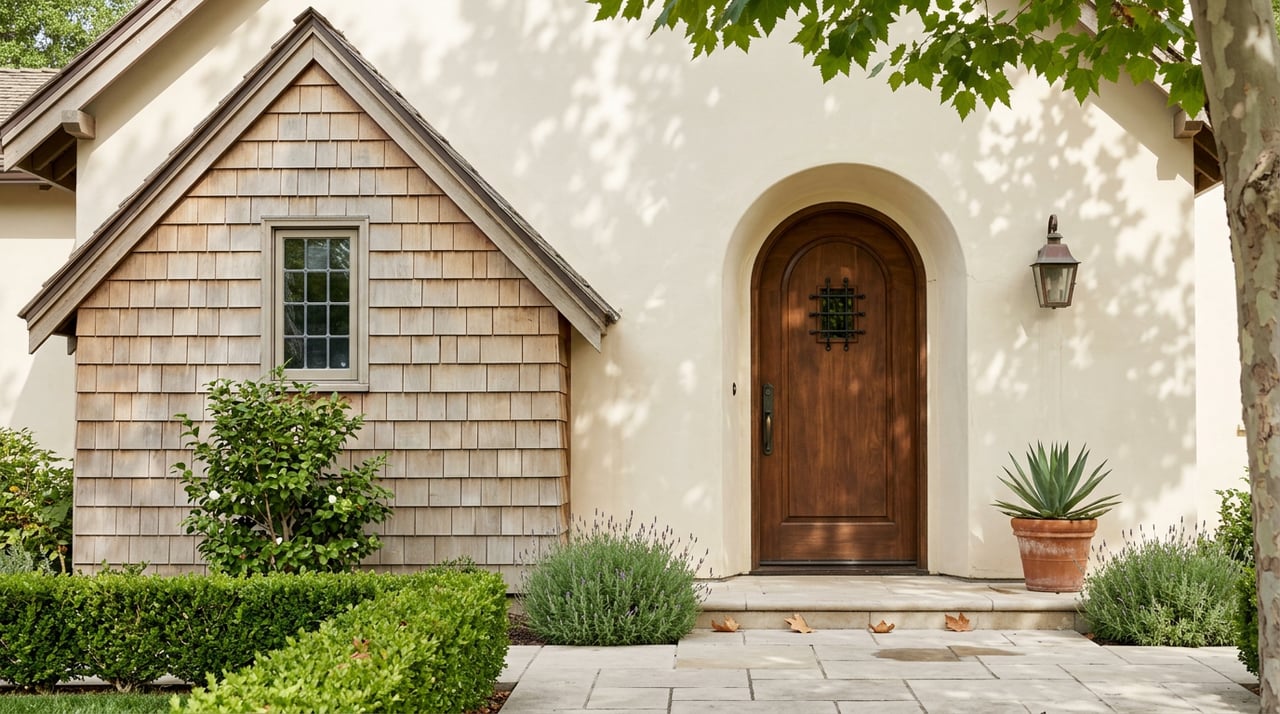
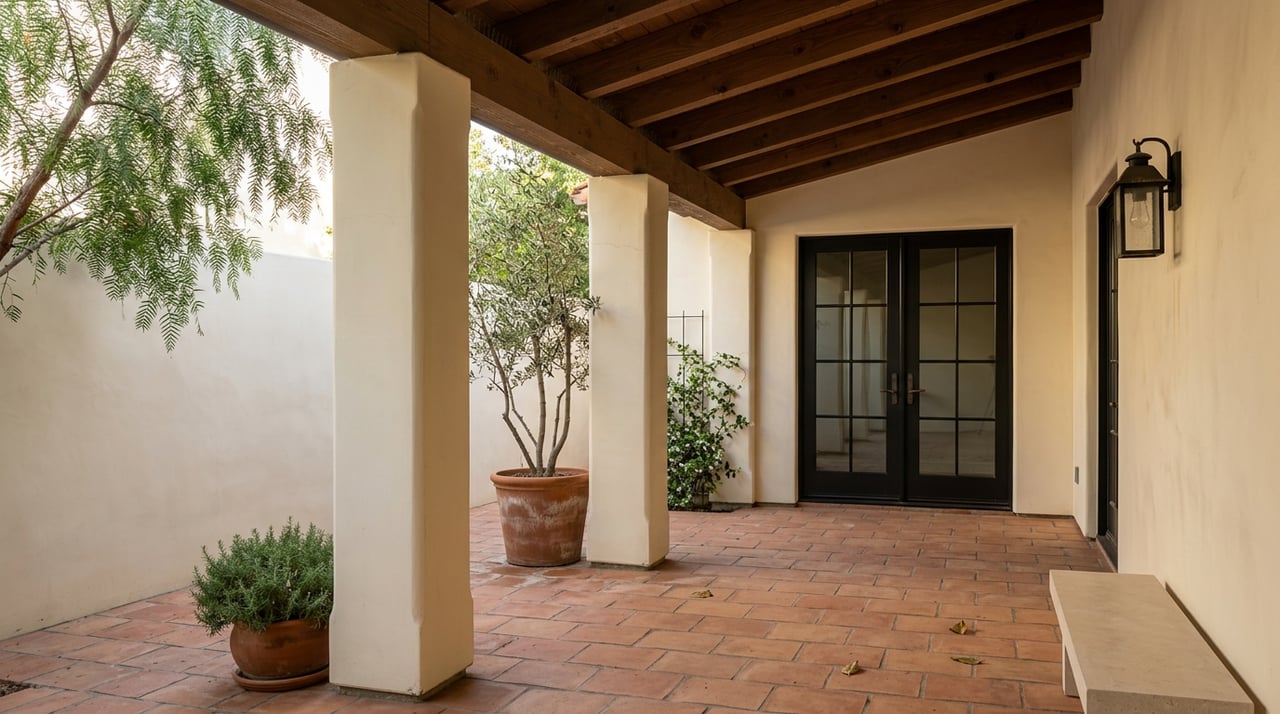
The area is especially associated with modern homes by Richard Neutra, R. M. Schindler, and Gregory Ain. At the same time, Los Angeles hillside houses have long included historic forms such as Spanish Colonial Revival, adapted to slope with stucco walls, asymmetrical massing, and view-oriented layouts.
This mix is what makes exploring Silver Lake so rewarding. On or near the hillsides, you can find period-revival homes, modernist experiments, and later postwar designs, often within a short walk of one another.
Modernist Landmarks
Silver Lake has several widely recognized modernist homes and housing experiments that help tell the neighborhood’s design story.
The VDL Research House II on the eastern edge of the reservoir was Richard Neutra’s home and office, rebuilt in stages from the original 1932 house. The Lautner House, built in 1940, was John Lautner’s first solo design.
Silvertop is another standout, perched above the reservoir and largely hidden from close view. It is best seen from East Silver Lake Boulevard across the water, which says a lot about how Silver Lake architecture often reveals itself gradually rather than all at once.
Multi-family design also plays a role here. The Bubeshko Apartments and Avenel Cooperative Housing reflect Silver Lake’s modernist interest in indoor-outdoor living and thoughtful site planning.
Character Homes With History
Silver Lake is just as compelling if your eye goes to older character homes. One strong example is the Maltman Bungalows, a group of 17 Mission Revival homes built in 1926 south of Sunset Boulevard.
These homes retained original elements such as stucco, tile parapets, built-ins, and wood flooring, and they were later rehabilitated back into single-family homes. They show how Silver Lake’s architectural history is not only about famous names, but also about preserving the texture and detail of everyday residential design.
Another useful example is the Barton Choy Residence, a later hillside home that shows how dramatic forms and steep-lot design continued into the postwar period. Together, these homes illustrate the range you can encounter in Silver Lake’s hidden pockets.
Stairways With the Strongest Stories
Silver Lake has more than fifty stair streets, according to the Silver Lake Neighborhood Council. A few stand out because they connect neighborhood movement with film, local identity, and public memory.
Music Box Steps
The best-known stairway is the Music Box Steps at 923 Vendome Street. This 131-step staircase was used in Laurel and Hardy’s The Music Box and includes a plaque and street sign.
It is a fun cultural landmark, but it also represents a larger truth about Silver Lake. These stairs were built because residents needed practical access through steep hillside terrain.
Mattachine Steps
The Mattachine Steps, formerly known as the Cove Avenue stairs, were officially named in 2012. City council records connect them to the Mattachine Society and to Silver Lake’s traditions of tolerance, modernity, and creativity.
That gives the stairway a meaning beyond circulation alone. It becomes part of the neighborhood’s cultural history as well as its built environment.
Esther’s Steps
Esther’s Steps connect Landa Street from Lucile Avenue to Maltman Avenue. They were named in 2015 for Esther Tapelband, remembered as a beloved neighborhood figure and dedicated walker.
This story adds an everyday, human scale to Silver Lake’s stair streets. Not every meaningful landmark is grand. Sometimes the neighborhood’s identity is carried through the habits and memories of the people who used these routes every day.
Why Buyers Notice These Micro-Pockets
If you are drawn to Silver Lake, the stair-street areas often stand out for four reasons: views, privacy, architectural variety, and story.
The views come naturally from the topography. The privacy comes from the way hillside homes are positioned, often with quieter street-facing elevations and more expressive downhill sides.
The architectural variety is one of the neighborhood’s biggest strengths. Within a compact area, you may encounter Mission Revival details, modernist glass and geometry, or a hillside house designed to make the most of a steep lot.
Then there is the story. City planning emphasizes preserving Silver Lake’s character, scale, architecture, and unique topography, which helps explain why these pockets feel so memorable. They are not isolated curiosities. They are part of the neighborhood’s historic fabric.
What Hidden Homes Really Mean Here
In Silver Lake, “hidden homes” usually do not mean remote estates behind gates. More often, they are homes that reveal themselves slowly because of the land itself.
A stair climb, a bend in the hill, or a shifted vantage point can change what you see. A simple facade can give way to a dramatic rear elevation, a terrace, or a view-oriented living space.
That is one reason Silver Lake speaks so strongly to people who care about design. The neighborhood rewards attention. Its homes are shaped not only by style, but by slope, circulation, and the relationship between private space and public passage.
Exploring Silver Lake With Fresh Eyes
If you want to understand Silver Lake beyond the usual drive-by, the stair streets offer one of the best ways to do it. They show you how the hills influenced daily life, how architecture adapted to the terrain, and how homes can feel both connected and secluded at the same time.
For buyers, that perspective can be especially valuable. It helps you read the neighborhood more clearly and notice details that are easy to miss from the car window.
Silver Lake’s stair streets are scenic, yes, but they are also a practical map of the neighborhood’s history. And once you start seeing them that way, the hidden homes around them make even more sense.
If you are searching for a home with architectural character and a real sense of place, Character Homes can help you explore Silver Lake with a sharper eye.
FAQs
Why does Silver Lake have so many stair streets?
- Silver Lake developed many stair streets because of its steep hillsides and early growth around the reservoir, which led to pedestrian routes that helped residents move through the neighborhood.
Which Silver Lake stairway is tied to a famous film?
- The Music Box Steps at 923 Vendome Street are known for their connection to Laurel and Hardy’s The Music Box and include 131 steps.
What kinds of homes are found near Silver Lake stair streets?
- Homes near the stair streets include Mission Revival houses, modernist homes, multi-family design experiments, and other hillside properties shaped by the area’s steep terrain.
Why do Silver Lake hillside homes feel hidden?
- City hill-house guidance explains that hillside homes often present a quieter street face while opening more dramatically downhill, which can make them feel tucked away or gradually revealed.
Why do design-minded buyers like Silver Lake’s stair-street pockets?
- Many buyers are drawn to these areas for their views, privacy, architectural variety, and the strong neighborhood story tied to Silver Lake’s topography and historic character.