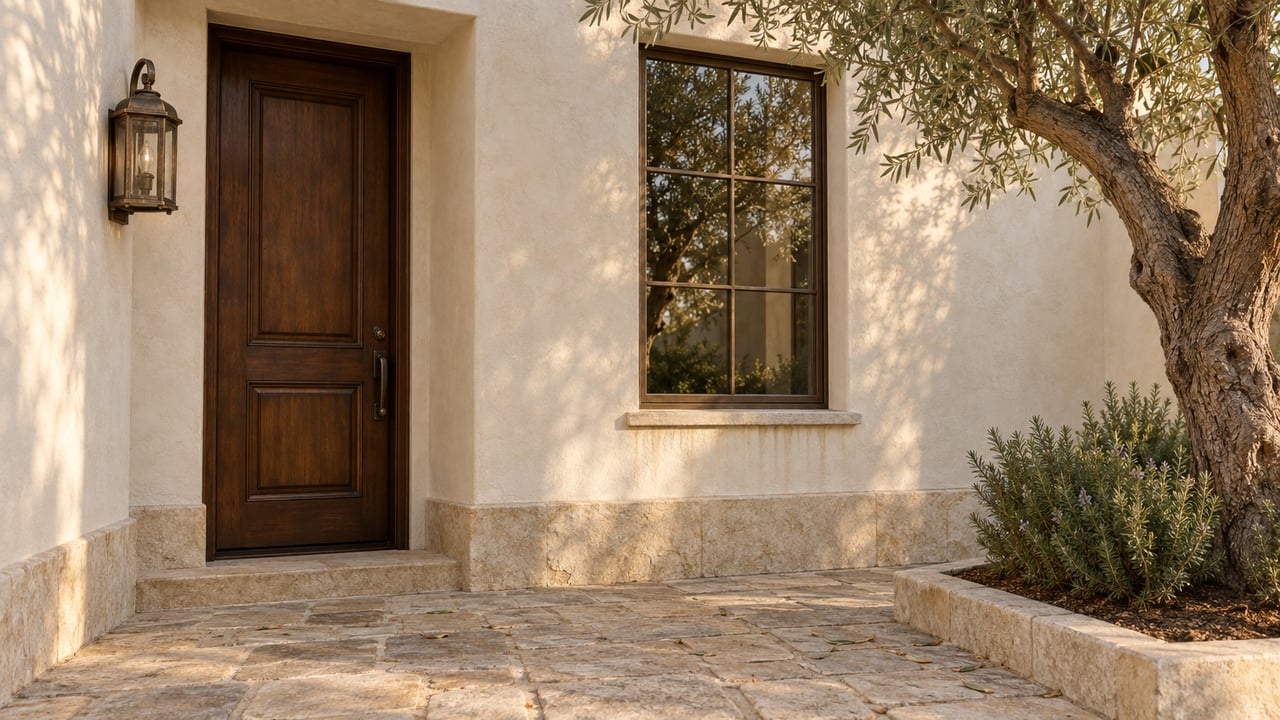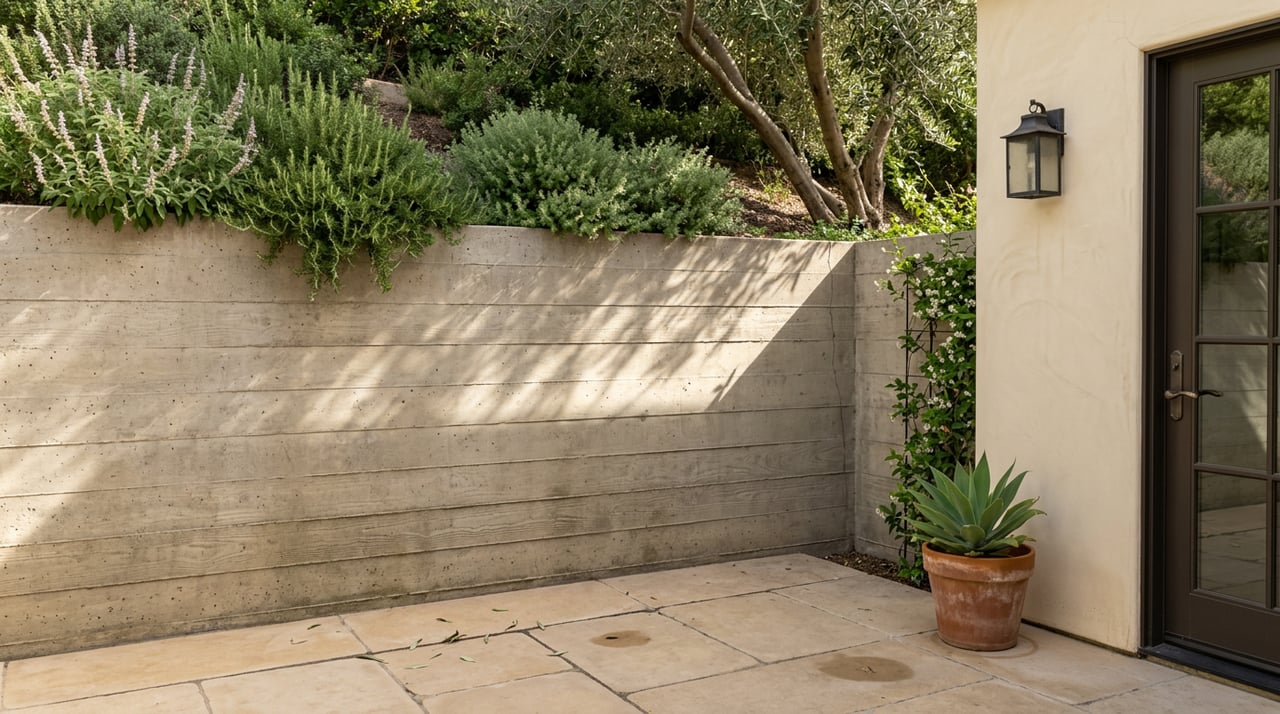
Two homes sit two blocks apart on a Silver Lake slope. Same square footage, same period, similar views. One closes at $1.55M in eighteen days with three offers. The other lingers past sixty, drops twice, and closes $400,000 lower after the buyer's engineer flags an un-engineered retaining wall on the back cut.
The difference was not staging. It was a folder.
The thesis
In Silver Lake's summer 2026 hillside market, the documents attached to a listing move price more than the finishes inside it. Buyers here are analytical, their lenders are cautious about slope, and the city's Hillside Construction Regulation overlay has quietly rewritten what counts as a clean file. If you are preparing to sell on any grade steeper than a flat Effie Street lot, the paperwork trail is the product.
What the paperwork actually decides
Five documents do the heavy lifting on a Silver Lake hillside transaction. Every one of them can be produced before you list, and each one closes a specific friction point that shows up in escrow otherwise.
- A clean LADBS permit history for every addition, deck, ADU, and window change.
- Engineered plans and final sign-off for retaining walls above the height threshold requiring a permit.
- A recent soils or geotechnical report, especially on parcels with visible slope movement or previous drainage work.
- A completed Natural Hazard Disclosure Statement with earthquake-induced landslide and liquefaction zones checked against current California Geological Survey maps.
- HCR District confirmation where applicable, since LAMC §13.20 layers stricter grading and hauling standards over ordinary hillside rules in designated areas.
Miss any one of these and the appraiser, the lender, or the buyer's engineer will find it during the contingency window. Miss two and the deal restructures around the weakest one.
Retaining walls are the deal-killer nobody photographs
Every listing photo in Silver Lake shows the view. Almost none show the wall holding up the yard. That asymmetry is exactly where negotiations collapse.
Under the Baseline Hillside Ordinance and successive amendments, retaining walls above certain heights require permits and engineered design, and stacked walls, tie-backs, and drainage behind walls are all part of the review. When a wall on a Micheltorena Hill or Moreno Highlands parcel was built without that documentation, three things happen at once: the buyer's lender flags it, the buyer's insurer asks about it, and the buyer's structural engineer prices the fix. The seller then absorbs a credit that almost always exceeds what the original permit would have cost. On a $1.4M sale, a five-figure credit for a wall issue is a common outcome, and it is one the seller almost never sees coming because the wall has always been there.
The unpermitted addition problem, and the retroactive path
Unpermitted work is the second friction. It is common across older LA housing stock, particularly in garage conversions, added bathrooms, and rear-yard ADUs. Silver Lake's 1920s Craftsman and Spanish inventory has accumulated decades of layered work, sometimes documented, sometimes not.
The retroactive path is real but slow. The Los Angeles Department of Building and Safety will legalize existing un-permitted structures, and depending on scope, that can range from an engineer's review of the existing construction to demolishing and rebuilding portions of the work. On a hillside parcel, engineered review is the near-certain outcome because grading, foundation type, and any structural changes all interact.
A buyer's agent asks one question on a hillside listing before writing: is the permit history clean, and if not, is there a plan? A seller who can answer both in one sentence saves the transaction. A seller who cannot has just handed the buyer a discount request.
Where your home sits in the July 2026 spread
The reason the paperwork matters more this year is that the price bands have widened, and buyers are using diligence to justify pushing offers to the low end of the band.
As of July 14, 2026, Silver Lake had 69 active listings with a median list price of $1,695,000 and an average of roughly $920 per square foot, per Rubyhome's neighborhood tracking. Homes.com placed the July 2026 median sale price at $1,595,000 with an average of 34 days on market. A separate analysis of May 2026 activity recorded 92 sales, up 45.7% year over year, at a median of about $1.4M. Redfin's competitive score sat at 79, with average homes selling near six percent above list and the hottest properties around thirteen percent above.
Underneath those neighborhood numbers, sub-markets diverge:
| Sub-market | Typical July 2026 range | Typical DOM |
|---|---|---|
| Reservoir-adjacent (Ivanhoe, Silver Lake Blvd frontage) | $1.6M–$1.9M | 2–3 weeks |
| Flats near Effie Street and Maltman Avenue | $1.2M–$1.55M | 18–30 days |
| Hillside parcels (Moreno Highlands, Micheltorena Hill, upper slopes) | $950K–$1.5M | Wider variance |
The reservoir-adjacent tier moves on view and walkability, and buyers there tolerate less friction because supply is thin. The flats trade on architectural condition and ADU status. The hillside tier is where the widest price variance lives, and it is precisely the tier where a documented file separates the top of the range from the bottom. When Q1 2026 activity showed well-priced homes going pending in 14 to 18 days while others sat, the differentiator inside a single sub-market was rarely finish level. It was legibility.
Two disclosures buyers now read carefully
The California Natural Hazard Disclosure Statement requires sellers to mark whether a property sits in a state-mapped earthquake-induced landslide zone, a liquefaction zone, an Alquist-Priolo earthquake fault zone, or a high or very high fire hazard severity zone. Silver Lake's topography puts many parcels near mapped landslide zones, and buyers arriving from other California markets in 2026 are reading these boxes more carefully than they did three years ago, in part because insurance dynamics have shifted for hillside fire-zone segments across Southern California.
The second is the LADBS permit record itself, which any buyer can pull. When a buyer's search returns fewer permits than the house has features, the disclosure package is where the seller either explains it or watches the offer soften. Pulling the permit history before listing, and preparing a short written summary of any known gaps and their proposed remedy, is the single highest-leverage seller move on a Silver Lake hillside file this summer.
A pre-listing sequence that protects price
Before a photographer sets foot on the property, three appointments matter more than the shot list:
- A pre-listing inspection with a Silver Lake-experienced inspector, prioritized on roof, waterproofing, retaining walls, drainage, and any deck cantilevers.
- A LADBS permit pull and reconciliation against the current property layout, with a written note for any addition, garage conversion, or ADU that lacks final sign-off.
- A soils or geotechnical review where the inspector flags slope movement, cracked hardscape trailing the slope, or moisture stains at the base of retaining walls.
Do those three before pricing conversations begin, and the listing enters the market with the file that hillside buyers now expect. Skip them and the buyer's team will produce the same file during escrow, on their timeline, and price it accordingly.
A short FAQ
Does the HCR District apply to every Silver Lake hillside home? No. The Hillside Construction Regulation District was rolled out to specific community plan areas by ordinance, and coverage depends on the parcel. LADBS and ZIMAS will confirm status for a given address. What matters for a seller is knowing before a buyer asks.
Can I legalize an existing unpermitted addition before listing? Sometimes, and it depends on scope. LADBS's typical procedure is to legalize the existing structure through engineering review, though larger or nonconforming work can require partial rebuilding. A frank conversation with a structural engineer familiar with Silver Lake permitting is the first call.
How do buyers actually price a wall problem? Buyers price it as the cost of engineered remediation plus a risk premium for schedule and permitting friction. On a mid-range Silver Lake hillside sale, a documented wall issue commonly translates into a five-figure credit request, sometimes larger where drainage is implicated.
Is a soils report standard on a Silver Lake sale? It is not standard on flat lots. On any parcel with grade, past drainage work, or visible slope indicators, it has become a routine buyer request in 2026 and worth preempting on the seller side.
If you are considering a summer or fall listing on a Silver Lake slope, the paperwork trail is where value is preserved or lost, and it is best assembled before the sign goes up. Jose Prats Team specializes in character homes across inner Los Angeles and pairs boutique marketing with the transactional discipline hillside files require. Discover character homes — Schedule a showing.