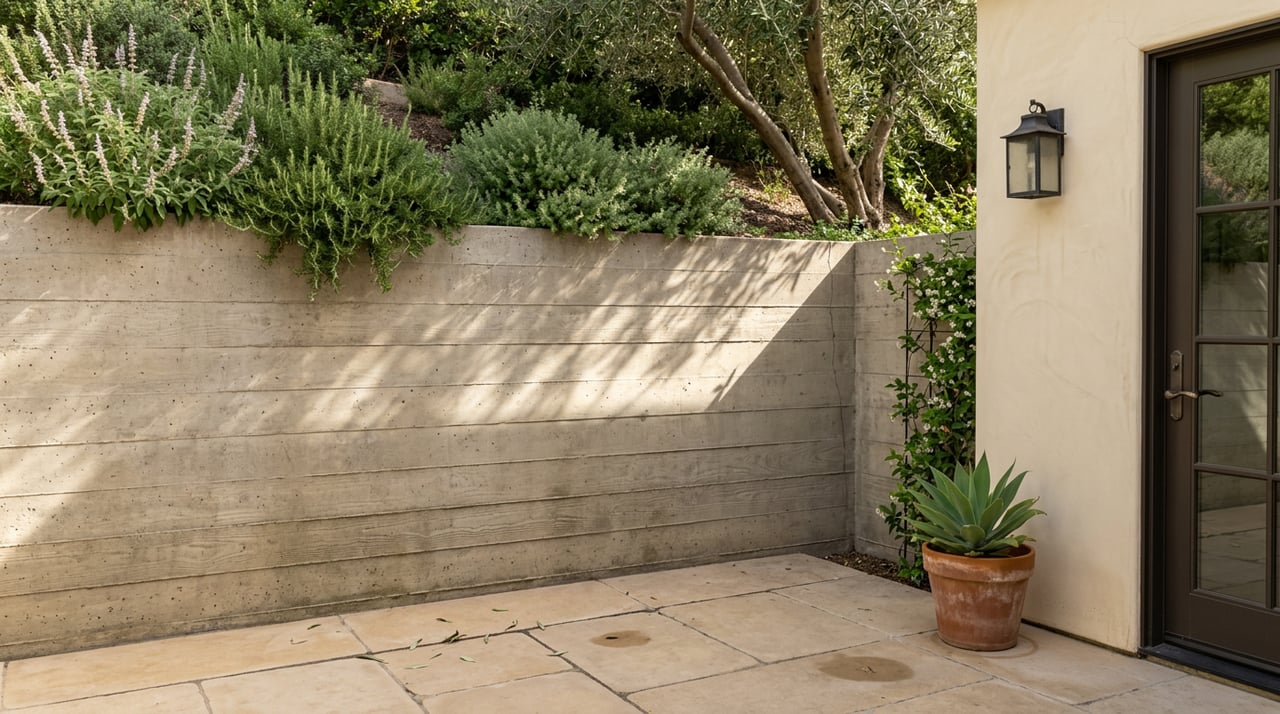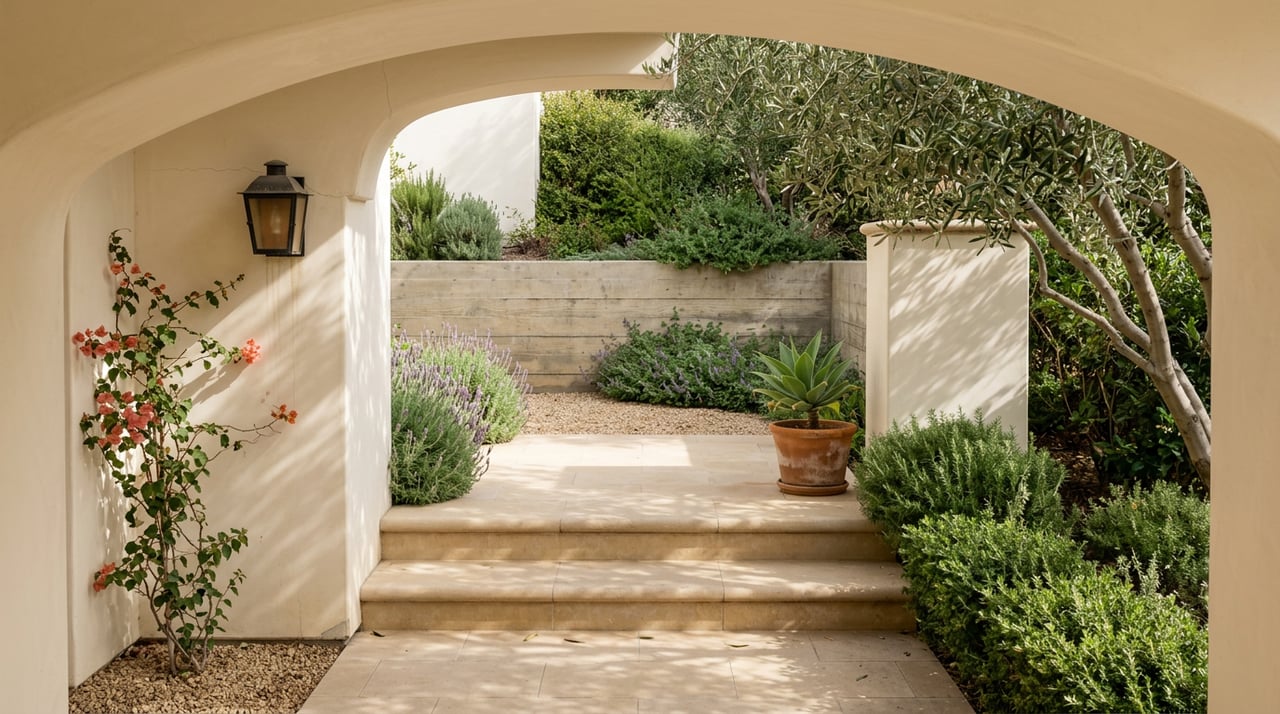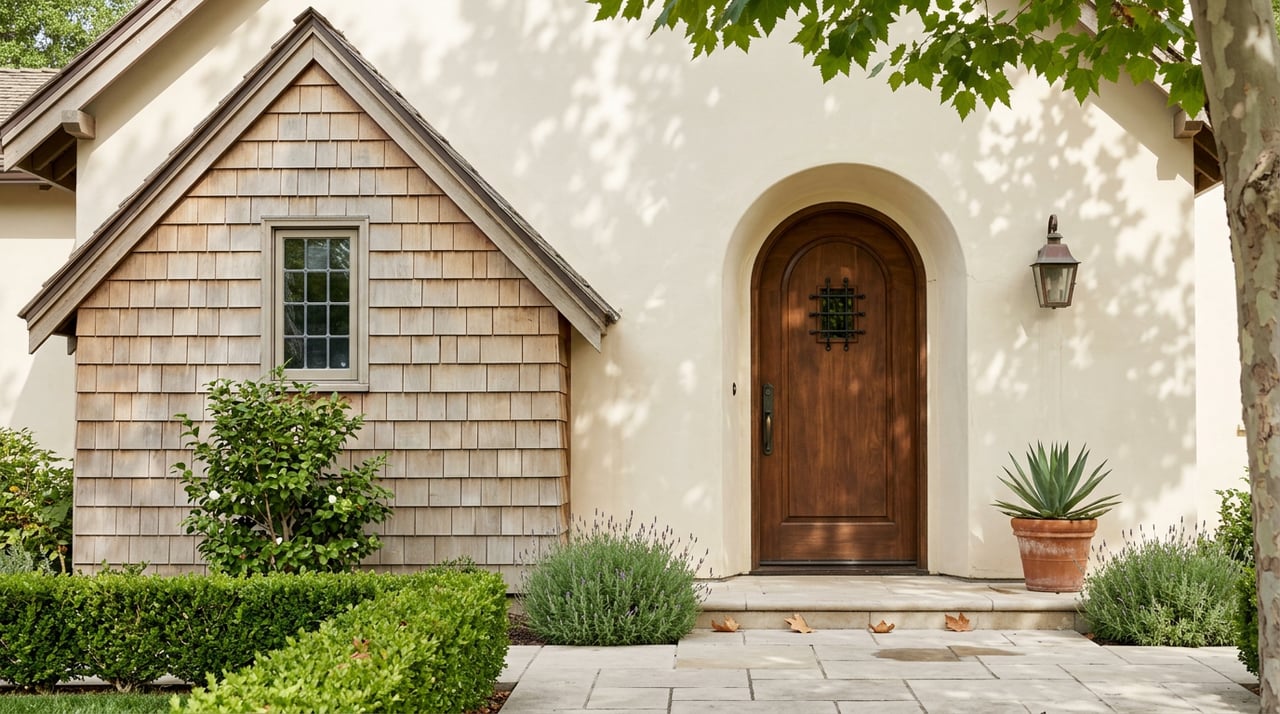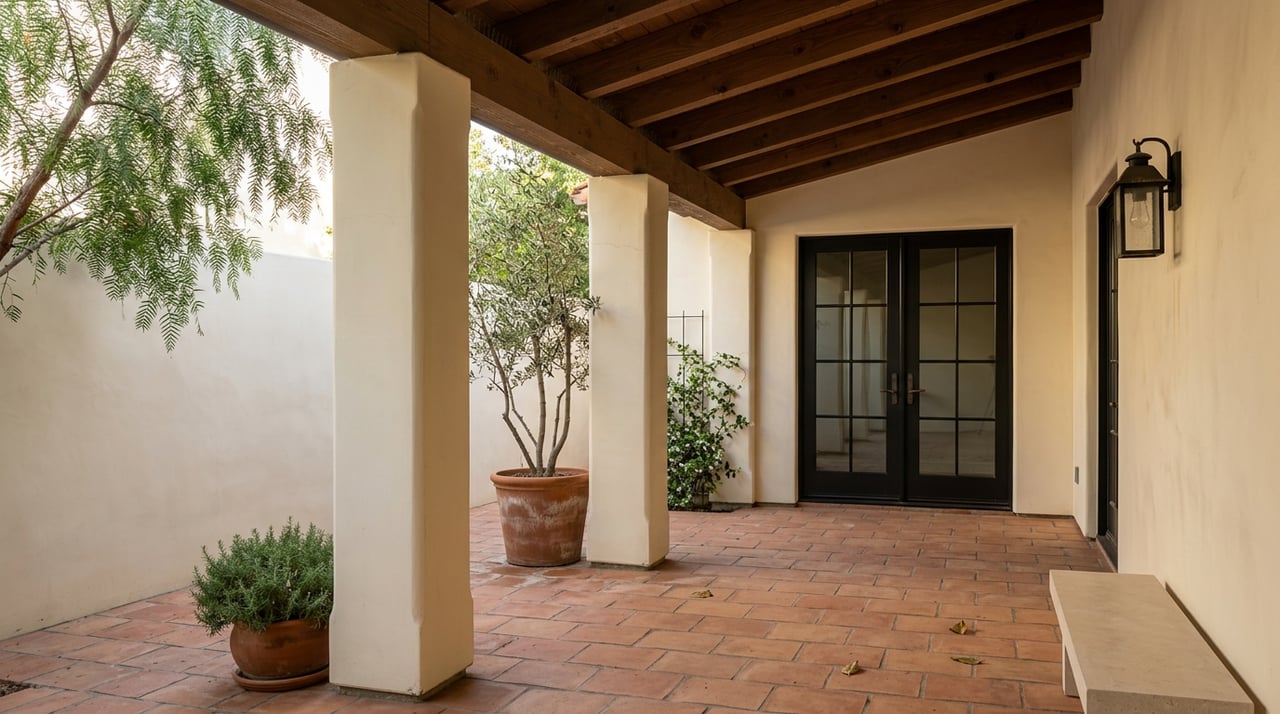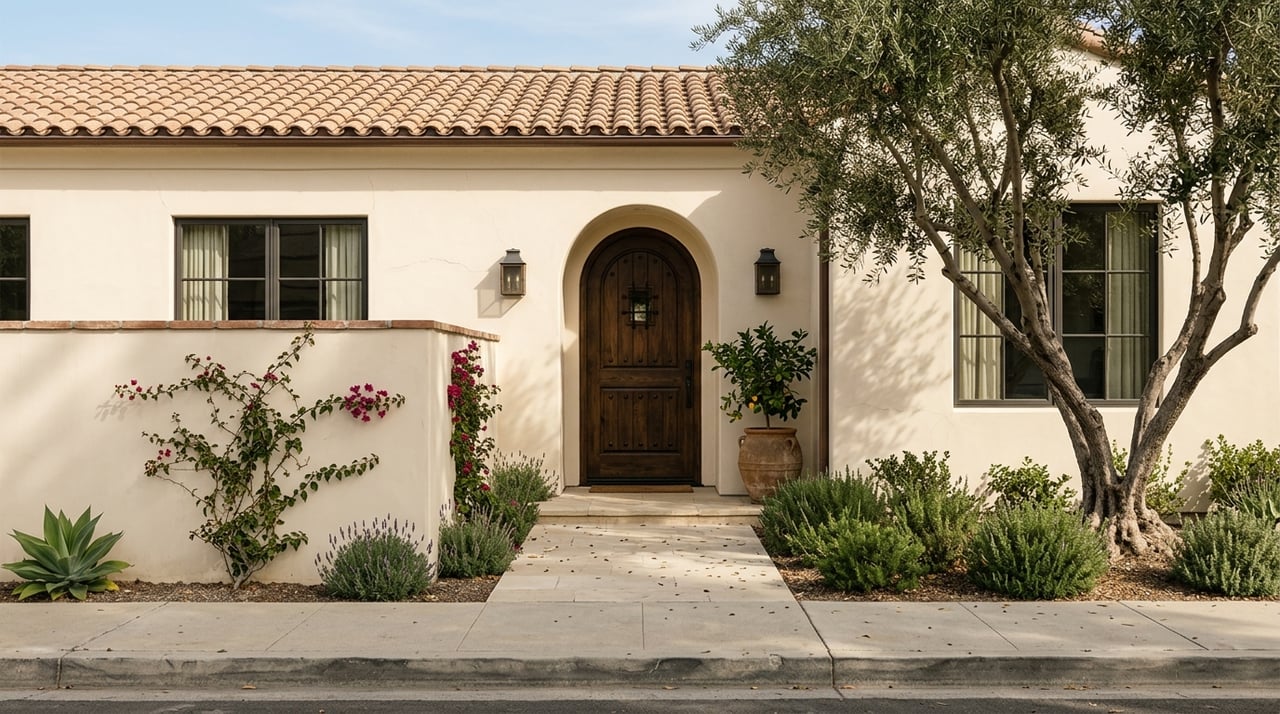
If you are getting ready to sell a character home in Santa Monica, one big question can shape everything that follows: what is the right price for this market, right now? That answer is rarely simple, especially when your home has original architecture, a distinct history, or details that do not fit neatly into a standard price-per-square-foot formula. In this market, smart pricing is part data, part positioning, and part understanding what makes your home truly comparable. Let’s dive in.
Why pricing is different in Santa Monica
Santa Monica is a small coastal city of about 8.3 square miles with roughly 93,000 residents. That limited footprint creates a naturally smaller pool of comparable sales, especially for single-family homes with architectural character.
It is also a highly segmented market. Zillow neighborhood data shows values ranging from about $1.1 million in Downtown and Third Street Promenade to more than $5.0 million in North of Montana, which means broad citywide averages can only take you so far.
For a seller of a character home, that matters. If your property stands apart because of its architecture, condition, or historic profile, the pricing conversation should begin with tightly matched comparisons, not just the city median.
What today’s market is telling sellers
As of late spring 2026, Santa Monica looks active, but not overheated. Redfin reported a May 2026 median sale price of $1.74 million and 47 days on market, while Zillow showed a typical home value of $1.71 million, 32 days to pending, and 252 homes for sale.
Realtor.com reported a median listing price of $1.6 million, 366 homes for sale, and a 98% sale-to-list ratio. These sources track different slices of the market, but together they point to the same takeaway: pricing still matters a lot at launch.
Buyer demand appears selective rather than euphoric. Redfin described Santa Monica as somewhat competitive, with homes averaging about one offer, while Zillow showed that 28.5% of sales closed above list and 63.3% closed under list. Realtor.com also said homes sold about 1.76% below asking on average in May 2026.
That does not mean buyers are absent. It means they are paying attention, comparing options closely, and reacting to value.
Why character homes need a different pricing lens
A Santa Monica character home is not valued on square footage alone. In many cases, price is tied to a mix of architecture, condition, local buyer appeal, and how complete the home feels as a design story.
The City of Santa Monica’s Historic Resources Inventory records details such as construction date, architectural style, architect or builder if known, status code, and potential significance. The city also states that HRI, Landmark, and Structure of Merit statuses must be disclosed at the time of sale.
That disclosure point matters for pricing because legal and historic characteristics can affect how buyers view the property. They can also shape how an appraiser or buyer compares your home to others in the market.
The city’s preservation guidance also emphasizes integrity, meaning the physical and material features that remain from the home’s period of significance. In plain terms, buyers tend to respond more strongly when original details feel intact, cohesive, and well cared for.
A home can be old without commanding a character-home premium. If key architectural elements have been removed, altered, or mixed with updates that do not feel coherent, the market may see the property as dated rather than distinctive.
On the other hand, a home with strong period proportions, consistent materials, and visible craftsmanship may attract the buyers who are willing to pay more for character. That is where smart pricing starts to become less about age and more about authenticity and presentation.
How the right comp set is built
When pricing a Santa Monica character home, the best comparable sales are usually the ones that live closest to your home in both geography and identity. That means looking first at the same micro-neighborhood, then narrowing further by era, architectural style, lot size, finished area, room count, condition, and historic status when possible.
Fannie Mae guidance says sale activity from within the same neighborhood or market area is the best indicator of value, and that comparable sales should have similar physical and legal characteristics. It also says at least three closed comparables are required, and that sales within the last 12 months should generally be used.
If truly similar sales are limited, which is common in Santa Monica, the search may need to expand. But when that happens, the reason should be clear, and the differences should be weighed carefully rather than glossed over.
For example, these factors may deserve extra attention in a character-home pricing strategy:
- Similar architectural era and style
- Similar level of renovation or preservation
- Similar lot utility and outdoor appeal
- Similar historic designation or disclosure burden
- Similar buyer audience and finish quality
This is why a broad Santa Monica median can mislead a seller. If your home is a 1930s Spanish with intact original detail, it may not compete with a generic remodeled house the same way a spreadsheet suggests.
Closed sales are not enough
One of the biggest pricing mistakes sellers make is focusing only on what sold last quarter. Closed sales matter, but they are only part of the picture.
Fannie Mae also says appraisers should analyze closed sales, contract sales, and current listings, especially in changing markets. That matters in Santa Monica because asking prices and sale prices can drift apart when buyer demand becomes more selective.
If a nearby character home with similar finish quality is currently on the market, that listing can shape buyer expectations right away. In some cases, your real competition is not the home that sold three months ago. It is the home a buyer is touring this weekend.
Pricing for first-week momentum
In today’s Santa Monica market, first impressions carry real weight. When most homes are not flying off the shelf, an overpriced launch can slow momentum quickly.
That risk matters even more for character homes because the buyer pool is often more specific. You are not trying to appeal to everyone. You are trying to connect with the buyers who understand the value of original architecture, craftsmanship, and atmosphere.
A strong launch usually depends on a few things working together:
- A price that reflects the actual comp set
- Clean repair work and thoughtful prep
- Cohesive staging that supports the architecture
- High-quality photography and visual storytelling
- Clear early disclosure if the property has HRI or other designation status
When these elements align, the home can feel rare in the right way. When the price is too ambitious, that same home can simply read as overpriced.
Historic status can affect pricing and timing
If your home is HRI-listed or otherwise designated, that should not be treated as a footnote. In Santa Monica, it is part of the listing strategy.
The city states that HRI-listed properties can face additional review and a 75-day waiting period if a demolition permit is filed on a property more than 40 years old. Even when demolition is not part of your buyer’s plan, early disclosure and clear documentation help set expectations.
For some buyers, historic context adds appeal. For others, added review or disclosure considerations may influence how they weigh flexibility, future plans, or renovation cost.
That does not automatically reduce value. It simply means the home should be priced with full awareness of how the market is likely to react.
Timing matters, but preparation matters more
Many sellers ask whether they should wait for the perfect week to list. Seasonal timing can help, but it is usually not the main driver of price.
A better principle for Santa Monica sellers is to list when the home is fully prepared and when the competitive set is thin enough for it to stand out. In a selective market, preparation often creates more leverage than the calendar alone.
That is especially true for character homes. If your property needs documentation, repair coordination, staging, or buyer education around architecture or historic status, building that into your plan can support a stronger launch and a cleaner pricing story.
What smart pricing looks like now
If you are pricing a Santa Monica character home today, the goal is not to chase the highest number that sounds possible. The goal is to position the home where the right buyers see both beauty and value.
That usually means:
- Starting with tightly matched local comps
- Weighing architecture and integrity, not just size
- Studying active competition, not only past sales
- Accounting for historic status and disclosure realities
- Launching with presentation that supports the price
In a market where many homes are selling below asking and buyers have options, pricing is not just math. It is strategy.
A well-priced character home can create urgency because it feels scarce, specific, and worth pursuing. That is very different from pricing high and hoping the market fills in the gap.
If you want a pricing strategy that respects both the numbers and the architecture, Character Homes can help you position your Santa Monica property with the kind of care, storytelling, and market judgment character homes deserve.
FAQs
How should you price a character home in Santa Monica?
- You should price it using tightly matched local comps, current competition, condition, architectural integrity, and any historic status or disclosure factors, rather than relying on citywide averages alone.
Do original details increase value for a Santa Monica home?
- Original details can support value when they are intact, cohesive, and well maintained, especially when they contribute to a clear architectural identity buyers recognize.
Do Santa Monica historic designations affect a home sale?
- Yes. The City of Santa Monica says HRI, Landmark, and Structure of Merit statuses must be disclosed at the time of sale, and those factors can influence buyer perception and pricing strategy.
Are Santa Monica homes still selling over asking in 2026?
- Some are, but not most. Zillow reported 28.5% of sales closed above list, while 63.3% closed under list, which suggests overpricing can hurt rather than help.
When is the best time to list a Santa Monica character home?
- The best time is usually when the home is fully prepared and the competing inventory is light enough for it to stand out, rather than simply choosing a date based on the calendar.
Why are comps hard to find for Santa Monica character homes?
- Santa Monica is a small, highly segmented market, so truly similar sales can be limited, especially for single-family homes with distinct architecture, condition, or historic characteristics.