Buying in Silver Lake often comes down to a more personal question than price per square foot: do you want a home that wraps around you, or one that opens out to light and views? If you are deciding between a Spanish Revival house and a Mid-Century Modern home, you are not just choosing a look. You are choosing how the house lives day to day, how it may be updated, and what kind of architectural story you want to carry forward. Let’s dive in.
Why this choice matters in Silver Lake
Silver Lake is not a one-style neighborhood. SurveyLA identified the Silver Lake Residential Historic District as a collection of 1,171 properties, with homes built from 1925 to 1970 in a mix of Period Revival and Mid-Century Modern styles. That range is a big reason buyers here often compare two very different houses on the same hillside.
The neighborhood also has a strong architectural identity on both sides of the debate. Silver Lake includes major concentrations of Early Modern, International Style, and Mid-Century Modern residences, while areas like Childs Heights are known for 1920s Mediterranean and Spanish Colonial Revival homes. In other words, this is one of the few Los Angeles neighborhoods where both styles feel deeply rooted.
Spanish Revival in Silver Lake
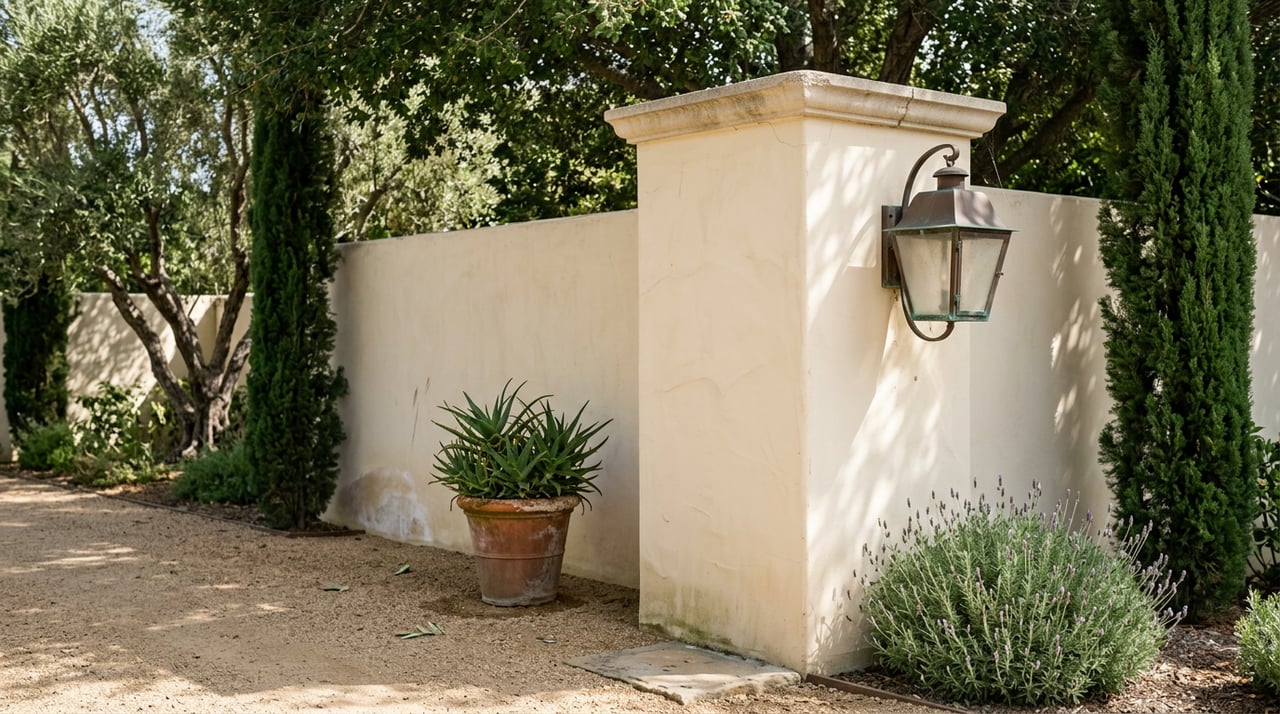
When buyers say “Spanish” in Silver Lake, the more accurate label is often Spanish Colonial Revival, sometimes alongside related Mission Revival influences. These homes typically feature stucco exteriors, low-pitched tile roofs, deep window and door openings, and asymmetrical facades. Many of them sit comfortably into the hillside with stairs up from the sidewalk and a strong sense of privacy.
That architecture creates a very specific feeling indoors. Spanish Revival homes often have a more room-based layout, which means spaces feel defined rather than fully open to one another. The light tends to be softer and more shaded, which can make the home feel calm, warm, and layered.
How a Spanish house lives
If you like a home that feels grounded and enclosed in the best way, Spanish Revival often delivers. You may find formal living spaces, thick-feeling walls, arches, plaster details, and a sense that each room has its own identity. For some buyers, that feels more intimate and more adaptable to quiet routines, work-from-home needs, or households that do not want every space on display.
Silver Lake’s older hillside tracts can also shape the experience. In some areas, houses step up from the street and offer limited accommodation for cars. That may be part of the charm, but it is still something to think through before you fall in love with the facade.
What to protect in a Spanish renovation
A Spanish Revival house can absolutely be updated, but the best projects usually improve function without erasing character. In Silver Lake historic districts, visible changes like replacement windows, cladding replacement, or additions to the main facade can quickly alter the home’s architectural integrity. That is why preservation-sensitive work matters.
Before planning changes, pay close attention to original stucco texture, roof tile, arches, plaster, ironwork, and wood windows. The more original material a home retains, the easier it is to keep its identity intact while modernizing systems behind the walls. For a buyer, that can support both daily enjoyment and future resale appeal.
Mid-Century Modern in Silver Lake
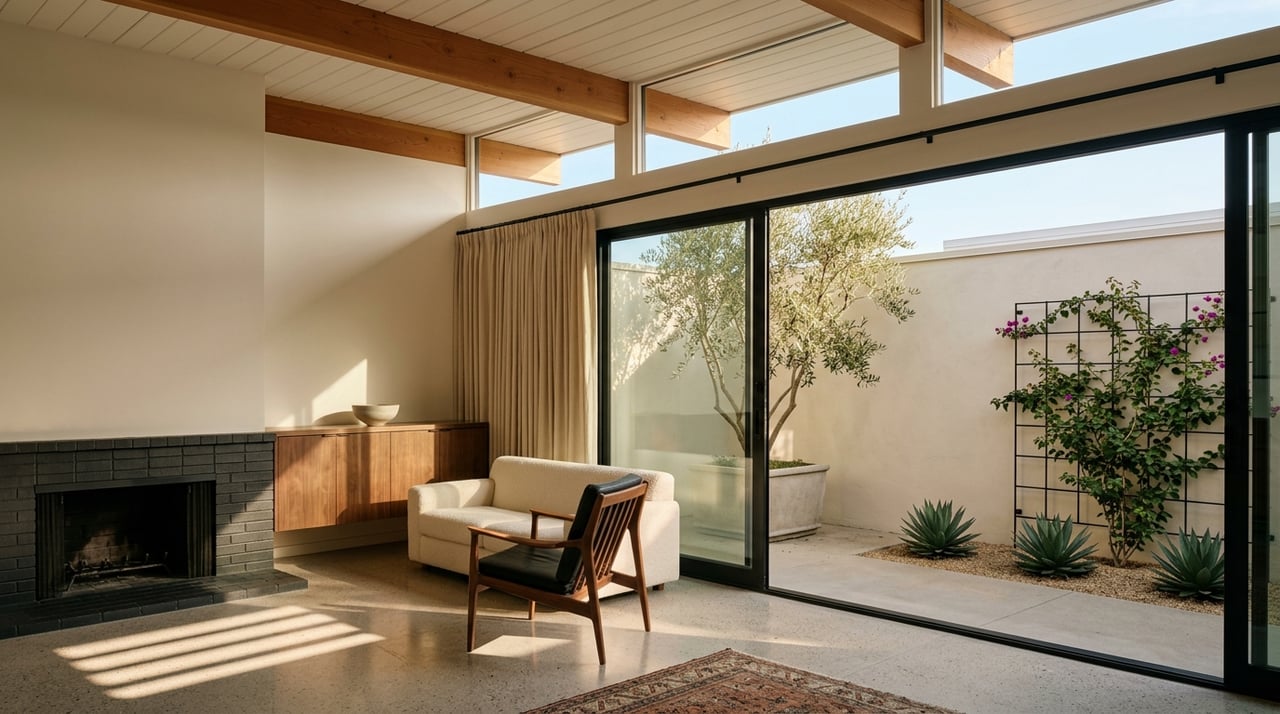
Mid-Century Modern homes ask for almost the opposite kind of living. National Park Service preservation material describes the style through open floor plans, large expanses of glass, ribbon windows, sliding glass doors, and strong indoor-outdoor connections. In Silver Lake, those ideas often pair naturally with hillside lots and view-oriented siting.
This is one of the reasons Silver Lake has such a strong modernist reputation. The neighborhood is associated with important architects including Richard Neutra, Rudolph Schindler, Raphael Soriano, John Lautner, Harwell Hamilton Harris, and A.E. Morris. Local landmarks and corridors reinforce that identity, from the reservoir edge to Micheltorena Street.
How a Mid-Century home lives
A Mid-Century house often feels designed around circulation, light, and landscape. Instead of moving from room to room, you may experience a sequence of connected spaces that borrow light from glass walls and open onto patios, decks, or views. If you love daylight, visual openness, and a flexible layout for gathering, this style can feel effortless.
That openness also changes how privacy works. A glass-forward home may feel more exposed than a Spanish Revival house, especially on a visible hillside parcel. For some buyers, that is the appeal. For others, it means being more intentional about site conditions, window placement, and how the home relates to neighboring lots.
What to protect in a Mid-Century renovation
Mid-Century homes can look simple, but the renovation work is often more delicate than buyers expect. Preservation sources note that these homes present complex materials and design tradeoffs, especially when changes affect glazing, rooflines, or the flow of open spaces. A generic remodel can quickly change the architectural read.
In practical terms, buyers should look closely at window proportions, sliding glass doors, roof forms, and the overall openness of the plan. Enclosing too much space or swapping out key elements without regard for scale can flatten what makes the house special. In Silver Lake, where originality carries weight, that matters.
Spanish vs Mid-Century at a glance
If you are choosing between the two, the right answer usually comes down to how you want to live rather than which style is “better.” Both have strong followings in Silver Lake, and both can hold value well when their defining features stay intact.
| Style | Often appeals to buyers who want | Common tradeoff to consider |
|---|---|---|
| Spanish Revival | Warmth, privacy, defined rooms, classic detail | Less open flow, stairs or limited parking on some lots |
| Mid-Century Modern | Daylight, views, indoor-outdoor living, open plan | More exposure, renovation details can be technically sensitive |
How to choose the right fit
The easiest way to narrow your search is to focus on lifestyle first. If you picture cozy rooms, shaded light, arched details, and a home that feels tucked away, Spanish Revival may be the stronger match. If you picture walls of glass, sunset light, connected entertaining spaces, and a stronger relationship to the landscape, Mid-Century may be the better fit.
It also helps to think about your renovation tolerance. If you want to update a period house, ask whether the work can be done while preserving original materials and visible character. If you are looking at a modern house, ask whether any planned changes will disrupt the roofline, glazing, or circulation that define the design.
Silver Lake due diligence before you buy
In Silver Lake, style is only part of the decision. Site conditions, preservation rules, and past renovations can have a big impact on how flexible a property really is.
Check historic district status
Start by confirming whether the home sits within a local historic district or HPOZ. If it does, exterior work such as alterations, additions, landscaping, or new construction may be subject to added review. That does not make a purchase less attractive, but it should shape your expectations early.
Look past the staging
Before you think about finishes, study the parts of the house that define its era. On a Spanish home, that may include stucco, plaster, wood windows, tile roof elements, and ironwork. On a Mid-Century home, focus on glazing, roof form, open circulation, and how the house connects to the outdoors.
Evaluate slope, stairs, and parking
Silver Lake’s topography is part of its identity, and it affects daily life. Some older tracts have stair access and limited space for cars, while some hillside modern homes trade convenience for views and light. Make sure the lot works for your routine, not just your mood during a weekend showing.
Think about resale through authenticity
Silver Lake buyers often value originality as much as square footage. Homes with intact character-defining features, thoughtful renovation history, and additions that do not overwhelm the original massing tend to tell the strongest resale story. That is true for both Spanish Revival and Mid-Century Modern homes.
Which style wins?
In Silver Lake, there is no universal winner. The better choice is the house that aligns with your habits, your design instincts, and your willingness to preserve what makes the architecture distinct. A well-kept Spanish Revival can feel timeless and cocooning, while a strong Mid-Century home can feel bright, open, and deeply tied to the hillside setting.
The key is knowing what you are buying before you start imagining what you might change. In a neighborhood with this much architectural depth, the smartest purchase is usually the one that respects the home’s original language.
If you want help comparing character homes in Silver Lake, from period detail to renovation tradeoffs, Character Homes can help you find the right fit and schedule a showing.
FAQs
What is the difference between Spanish Revival and Mid-Century homes in Silver Lake?
- Spanish Revival homes usually offer defined rooms, softer light, and traditional details like stucco, arches, and tile roofs, while Mid-Century homes tend to feature open layouts, large windows, and stronger indoor-outdoor flow.
Are Spanish homes common in Silver Lake?
- Yes. SurveyLA found that parts of Silver Lake, including Childs Heights, include many 1920s Mediterranean and Spanish Colonial Revival homes, especially on hillside parcels.
Are Mid-Century homes important to Silver Lake architecture?
- Yes. SurveyLA identified Silver Lake as one of Los Angeles’ important concentrations of Early Modern, International Style, and Mid-Century Modern residences.
Should Silver Lake buyers worry about historic review?
- Buyers should check whether a property is in a local historic district or HPOZ, because exterior work, additions, landscaping, and new construction may require additional review.
Which style is easier to renovate in Silver Lake?
- Neither is automatically easier. Spanish homes require care around original materials and visible character, while Mid-Century homes often require careful decisions about glazing, rooflines, and open-plan flow.
What helps resale for character homes in Silver Lake?
- Homes that feel authentic to their era, retain character-defining features, and show thoughtful renovation history often present the strongest resale appeal in Silver Lake.