Two numbers landed in the same week this summer. Redfin's three-month trailing median for Hancock Park sat at $995,000, down 60.7% year over year, with homes averaging 140 days on market. A luxury cut of the same neighborhood, pulled off the MLS a few weeks later, reported 41 listed homes, an 83-day average DOM, and a $3,295,000 median list price. Same zip codes. Same July.
Both numbers are accurate. Neither describes the house a design-minded buyer is actually trying to buy in Hancock Park, and neither prices the seller's leverage correctly. The reason is a document most owners have never read cover to cover, and a draft ordinance the city was still collecting comments on through the end of July.
The document that will decide your price this fall
On June 24, 2026, the Los Angeles Planning Department's Office of Historic Resources released draft Objective Design Standards for infill housing and ADUs inside the city's Historic Preservation Overlay Zones. The comment window was originally short, then extended: the department extended the deadline for its comment period on the draft ODS for new infill housing and ADUs in HPOZs by one week, with the new deadline of July 28, 2026. According to the department's own timetable, the next step is to present the draft ODS to the City Planning Commission and City Council, with anticipated project completion by December 2026.
The rules aren't landing in a quiet room. The Hancock Park Homeowners Association expressed strong opposition to the current draft; HPHOA President Cindy Chvatal-Keane wrote that "the draft standards as currently written fail to protect the core integrity of Los Angeles's 35 Historic Preservation Overlay Zones," warning they replace context-specific stewardship with an overly permissive, binary checklist. The Windsor Square Association told residents the draft standards would upend the neighborhood, and the Greater Wilshire Neighborhood Council's Land Use Committee, led at the July 28 meeting by Mark Alpers and Jane Usher, argued the city built "one size fits all" rules that don't address unique considerations in individual neighborhoods, for example roof lines, lot coverage, and garage placement, which differ across Hancock Park, Mar Vista, and West Adams. Whatever version emerges this fall will change what a buyer can build next door to the house you're about to list. That is a price signal.
Contributing vs. non-contributing is the line the median hides
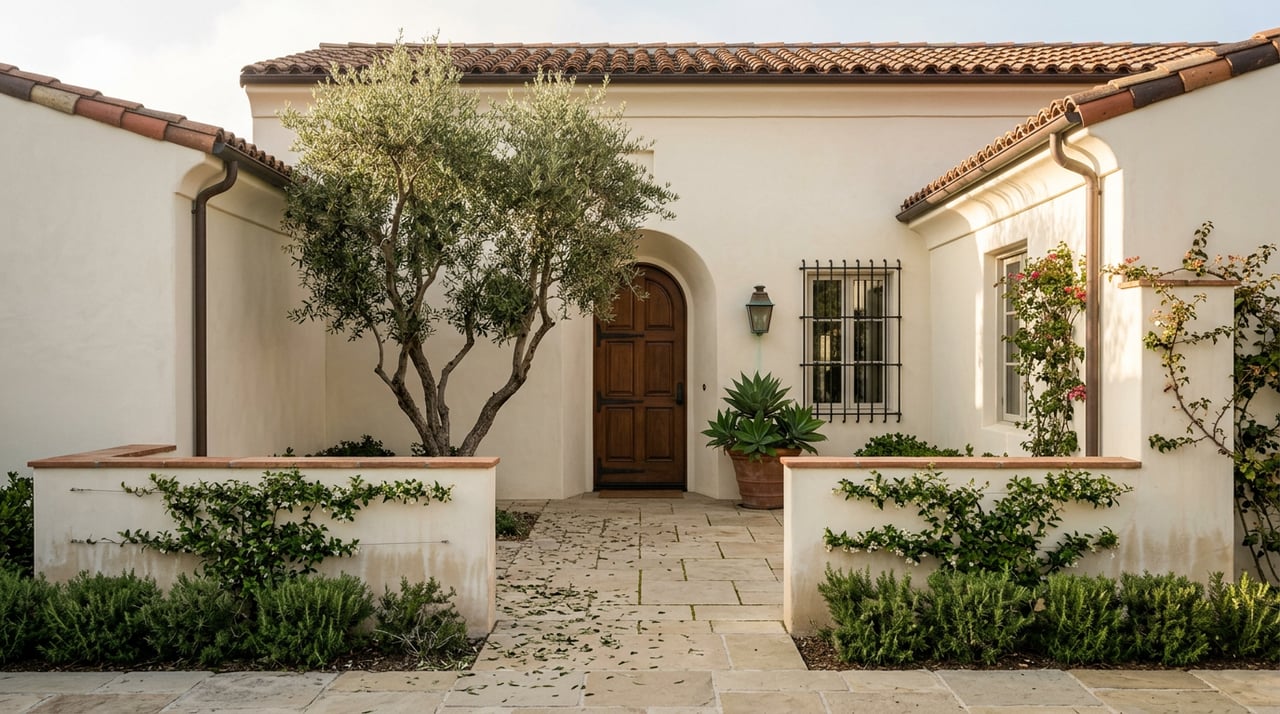
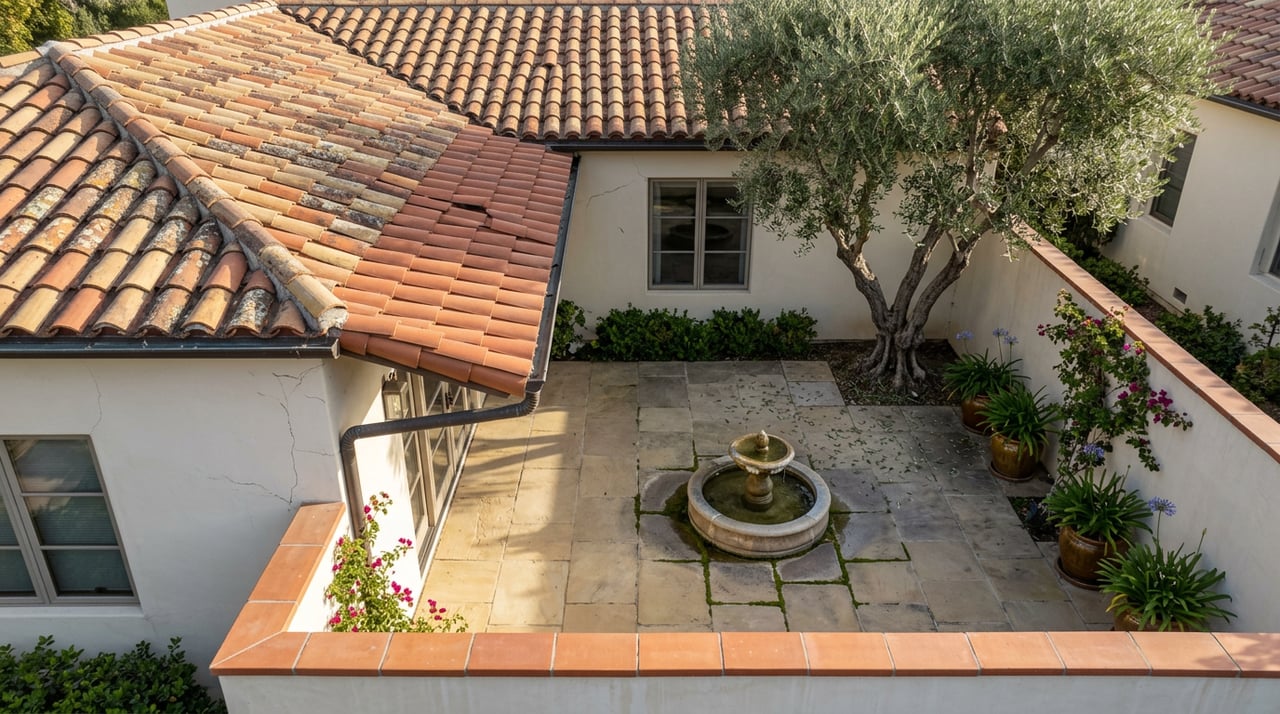
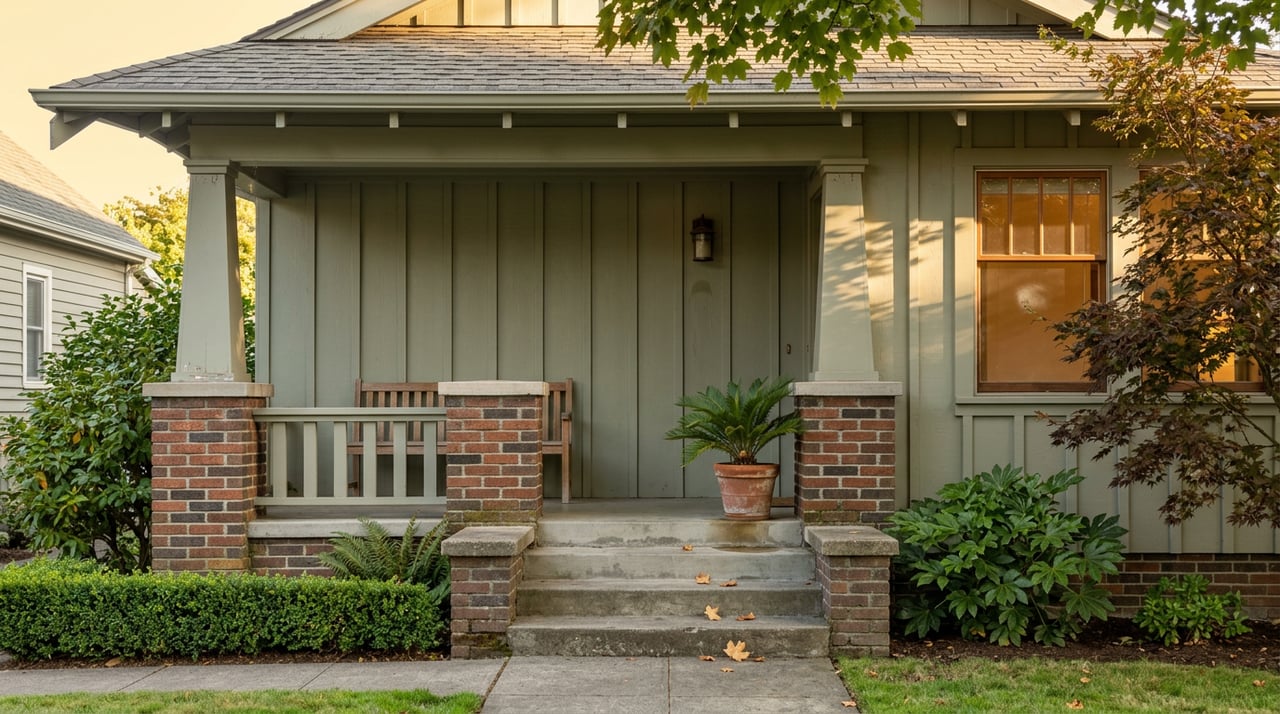
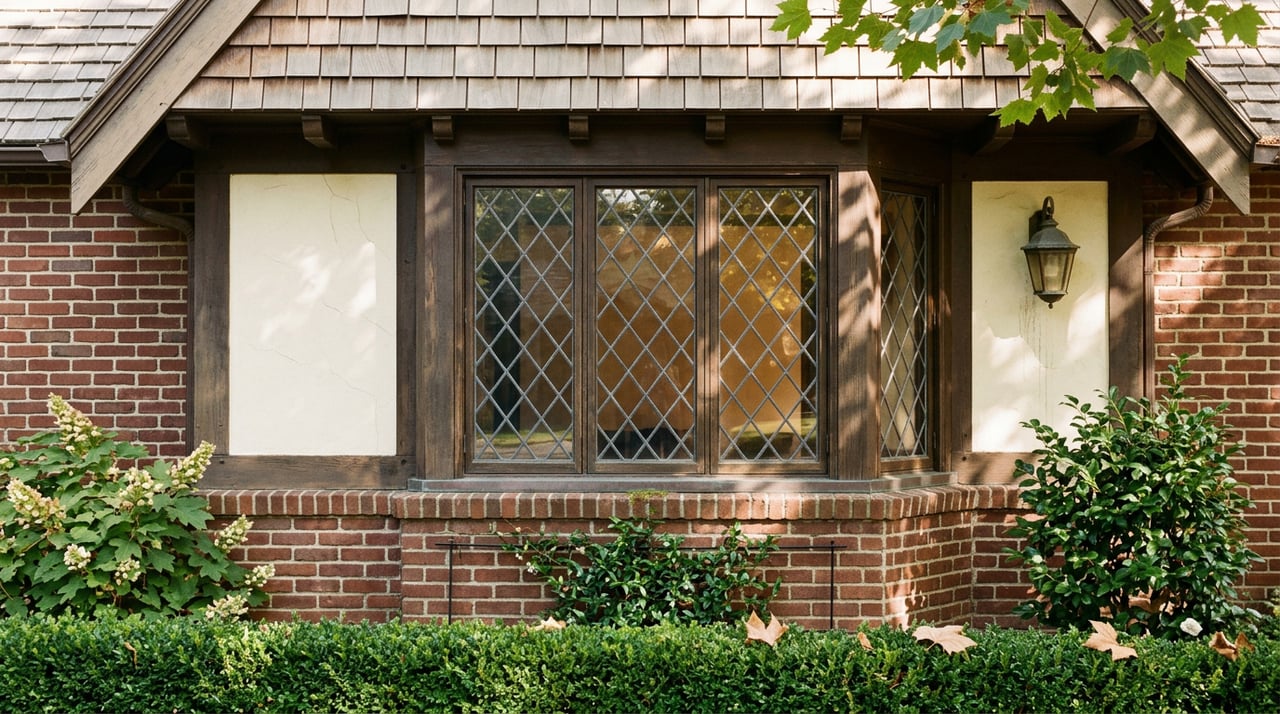
Hancock Park's HPOZ was adopted by City Council in 2008. The Hancock Park Homeowners Association reports that of roughly 1,200 homes in the district, close to nine in ten still carry the original design of their street-facing facades from the early 1920s. The Preservation Plan protects two-story, single family residences in Period Revival styles including Tudor Revival, English Revival, Spanish Colonial Revival, Mediterranean Revival, Monterey Revival, and American Colonial Revival, with the vast majority of residences set back 50 feet from the street as insisted upon by G. Allan Hancock, and side driveways generally leading through a porte cochere to a rear garage. Those aren't decorative facts. They are the exact features the HPOZ inventory uses to designate a home "contributing" or "non-contributing," and that single label moves price more than square footage does inside the district.
A contributing home trades on preserved period detail, on a block whose scale the city has actively defended for seventeen years, and on the near-certainty that the house next door cannot be leveled and replaced with something incompatible. A non-contributing home on the same street trades closer to a comparable outside the overlay. When the portal median averages the two, plus the condo product along Rossmore and Plymouth, you get a number that describes the neighborhood's paper and nothing about the house.
The two markets the $995K median blends
Here is the split you rarely see written down in one place.
| Data slice | Date | Median | DOM | Listings |
|---|---|---|---|---|
| All-inventory trailing sales | Three months ending March 2026 | $995,000 sale | 140 | 9 sold that month |
| Full active MLS cut | July 30, 2026 | $1,400,000 list | 53 | 151 active |
| Luxury cut (single-family emphasis) | July 7, 2026 | $3,295,000 list | 83 | 41 active |
The all-inventory figure is dragged down by condo comps in the buildings along the district's edges. Recent active listings inside the Redfin feed include 801 S Plymouth Blvd #302 at $799,000, 739 Lorraine Blvd #402 at $1,037,000, and 3810 Wilshire Blvd #408 at $650,000. Those units are legitimate Hancock Park addresses. They are not the product a buyer looking for a Wallace Neff-adjacent Spanish Revival with a porte cochere is shopping for, and they should not be sitting inside the same median a seller of that Spanish Revival is using to set price.
The 83-day luxury DOM is the more honest number for a contributing single-family home in summer 2026. It tells you the market is patient, that curated marketing is doing work portals cannot, and that the seller who prepares documentation will out-negotiate the seller who prices to a blended median and waits.
What HPOZ actually reviews, and what it doesn't
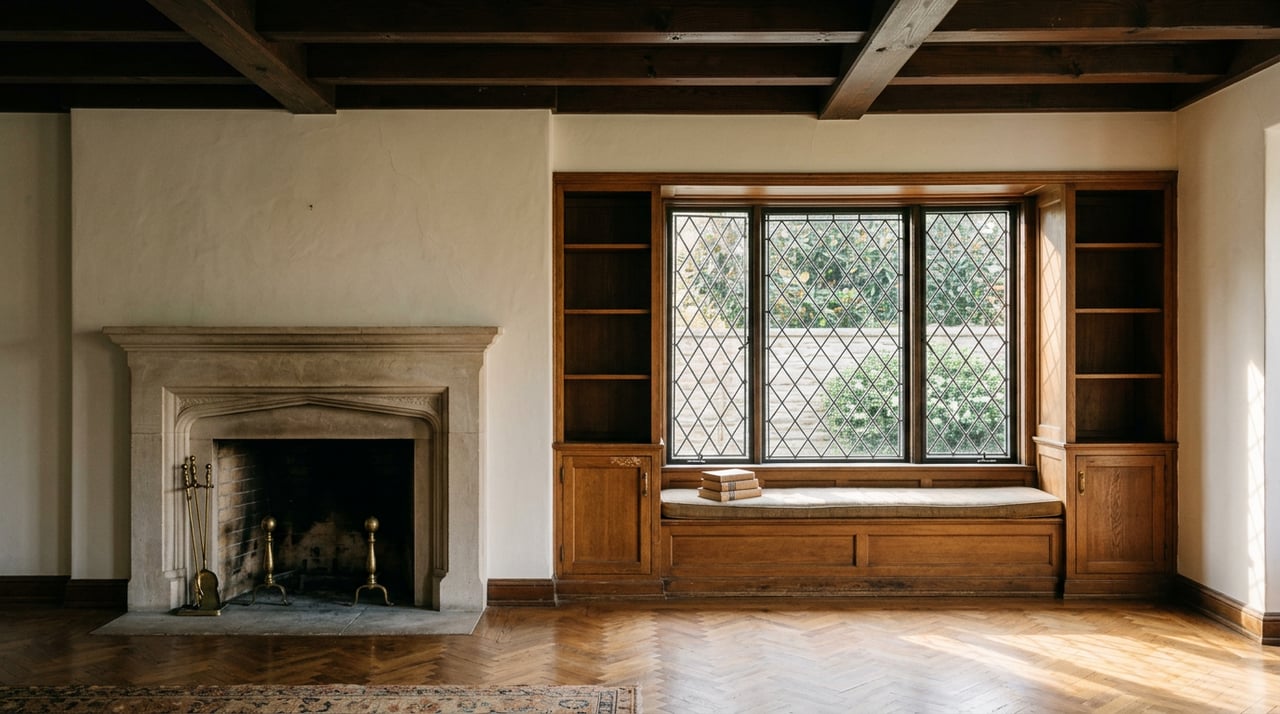
The rule most sellers get wrong: the overlay is an exterior instrument. Interior work is nearly always free from HPOZ review, so owners can renovate kitchens, bathrooms, and layouts without restriction. HPOZ design review requirements only apply to what shows from the street, including facades, rooflines, exterior work, and even paint colors in parts of the district. Triggers that pull a project into review include:
- Windows, doors, and any street-visible fenestration change
- Roof material, pitch, and eave detailing
- Front-yard fencing, driveway width, and curb cuts
- Paint color in the portions of the district where color is regulated
- ADUs and additions with any street-facing mass
- Demolition of a contributing structure, which receives the highest scrutiny and can be denied without strong justification
Minor exterior approvals can clear in a few weeks at staff level. Anything requiring the HPOZ Board or a public hearing runs several months, and unpermitted exterior work can trigger stop-work orders and may require restoration of original conditions. That last sentence is the one that surfaces in escrow, usually on a Friday, usually after the appraisal.
The document trail is the deal. In an HPOZ, a seller who cannot produce the Certificate of Appropriateness for the 2017 window swap is negotiating from a weaker position than a seller with a smaller house and a complete file.
The pre-listing pull that keeps the sale on schedule
Before a Hancock Park listing goes live, we assemble a package that answers every question an experienced buyer's agent will ask on day one. It looks like this:
- Confirmation of contributing or non-contributing status from the HPOZ inventory
- All Certificates of Appropriateness issued to the property, with matching building permits
- Any prior HPOZ Board decisions, including denials and appeals
- A Mills Act status check, because Mills Act property tax abatement may be available for qualifying historic properties and comes with maintenance obligations that transfer with title
- Original architect and builder attribution where available, plus any prior survey work by the Windsor Square Hancock Park Historical Society
- A written scope of any exterior work completed in the last ten years, cross-checked against permits
When that package is in the listing agent's hands before the first showing, the offer conversations move faster and the inspection contingency shrinks. When it isn't, buyers price the uncertainty into their number.
Questions a buyer should ask before writing the offer
- Is the property contributing or non-contributing in the current HPOZ inventory, and when was that determination last reviewed?
- Has any street-visible exterior work been done without a Certificate of Appropriateness?
- Is there an active Mills Act contract, what year does it renew, and what maintenance obligations are on record?
- Are there any open HPOZ enforcement actions, code cases, or stop-work notices tied to the address?
- If the buyer plans an ADU, what does the current ODS draft, and any version the City Planning Commission adopts this fall, permit on this specific lot?
The fifth question is the one that has changed most in the last sixty days, and it will change again before December.
A short FAQ
Does HPOZ status raise or lower value? Inside Hancock Park it has generally held value by protecting the block. The tradeoff is longer exterior permitting, and the market has priced that tradeoff into contributing homes for years. What is new is uncertainty about how the fall 2026 ODS vote lands, which is why documentation matters more this cycle than last.
Can a buyer count on being able to add an ADU? State housing law encourages ADUs and limits some discretionary review, but the HPOZ still applies objective design standards to appearance and placement. The current draft ODS is what the city is trying to standardize. Until the City Planning Commission and Council act, plan for the current Preservation Plan to govern and budget conservatively for review timelines.
What if a seller discovers unpermitted exterior work mid-escrow? Options range from disclosing and pricing the risk, to pausing to pursue an after-the-fact Certificate of Appropriateness, to restoring to original conditions. None of the three are quick. All of the three are cheaper when discovered before the listing than after the offer.
Is any of this actually different from other LA neighborhoods? Yes. Hancock Park sits alongside Windsor Square, Windsor Village, Wilshire Park, Miracle Mile, Carthay, and Country Club Park in what Larchmont-area coverage counts as seven local HPOZs, part of a citywide system that Planning Department materials describe as encompassing more than 21,000 properties across 35 overlay zones. The rules are neighborhood-specific by design, which is exactly what the current ODS debate is about.
If you are weighing a Hancock Park sale in the next two quarters, or trying to price an offer on a contributing home with a thick file and a thin explanation, the Jose Prats Team reads these documents for a living. Discover character homes — schedule a showing.