If you’re moving up from a condo or smaller house, Hancock Park can feel like a different category of Los Angeles living. Here, the jump is not just about more square footage. It is also about architectural character, larger lots, deeper setbacks, and the realities of buying an older home in a protected historic district. If you want to understand what that really means for your budget, your search, and your renovation plans, you’re in the right place. Let’s dive in.
Why Hancock Park stands out
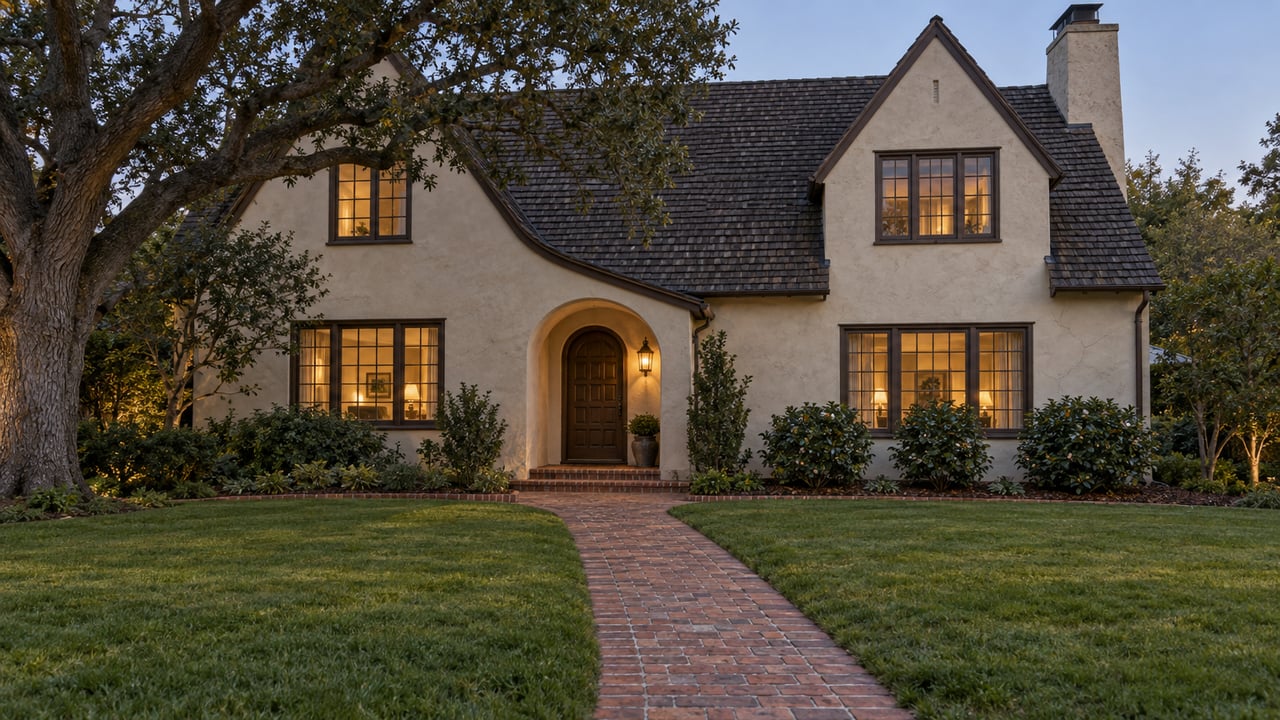
Hancock Park has a distinct physical presence that many move-up buyers notice right away. According to the City of Los Angeles Hancock Park HPOZ page, the neighborhood is a 1920s residential district with Period Revival architecture, broad setbacks, side driveways, and rear garages.
That combination shapes how homes feel from the street and how they live day to day. If you are coming from a condo or a tighter-lot home, the appeal often comes from having more breathing room, stronger curb presence, and a house with a clear architectural identity.
For design-minded buyers, Hancock Park is rarely a generic move-up option. It is often a choice to buy into scale, history, and a neighborhood where original character still matters.
What price ranges to expect
One of the most important things to understand is that Hancock Park does not move on a single price point. It has a wide range, and the type of property you buy matters just as much as the address.
Current market snapshots place the area in an upscale bracket. Realtor.com’s local market page shows 23 homes for sale with a median list price of $1.50M and a median price per square foot of $841, while Douglas Elliman’s January 2026 Hancock Park-Wilshire report shows a median sales price of $1.875M and an average of $785 per square foot.
At the same time, Redfin’s Hancock Park housing market data shows a median sale price of $1,067,500 and $748 per square foot in March 2026. That gap is a good reminder that small monthly sample sizes can shift neighborhood medians, especially when the mix includes both condos and larger detached homes.
A practical move-up ladder
Recent sales offer a more useful real-world framework. According to Redfin’s recent sales in Hancock Park, a 984-square-foot condo sold for $670,000, a 1,692-square-foot detached home sold for $1.925M, a 2,300-square-foot home sold for $2.175M, and a 3,364-square-foot home sold for $2.345M.
As size and lot presence increase, the numbers rise quickly. The same recent sales set includes a 4,270-square-foot home at $3.75M and a 7,109-square-foot estate at $9M.
For many move-up buyers, that means the jump from condo living to a detached character home can be substantial. In practical terms, condo-style options may still show up below $1M, while detached homes with architectural presence often land in the high-$1Ms and $2M-plus range.
How lot size changes the equation
In Hancock Park, the move-up story is not only about interior square footage. Lot size and site layout can be a major part of the value.
Recent sales included lots around 7,300 square feet and estate-scale lots around 18,600 square feet, according to Redfin’s recent sold data. That lines up with the city’s description of homes that are often set back about 50 feet from the street, with side-driveway configurations and rear garages.
If you are comparing Hancock Park to newer or denser neighborhoods, this is one of the biggest differences you will feel. You may be buying outdoor space, separation from the street, and a more established site plan as much as the house itself.
Turnkey home or restoration project?
This is one of the biggest decisions move-up buyers face in Hancock Park. Do you want a house that has already been updated, or are you open to a property that needs work in exchange for more character or a better entry point?
Because much of the neighborhood’s housing stock dates to the 1920s, it is smart to assume variation. Some homes are thoughtfully updated, while others are better viewed as restoration opportunities, based on the age of the housing stock and current listing patterns reflected in the research.
What older homes may need
Even when a home looks polished, older properties often come with extra layers to review. You may need to budget for:
- Design work
- Systems updates
- Finish refreshes
- Repairs uncovered during inspections
- Longer planning timelines for exterior work
That does not mean every house is a heavy project. It does mean you should avoid assuming that “updated” automatically equals low-maintenance or fully turnkey.
When a project makes sense
A project can make sense if you value original detail, want to shape the home over time, or are comfortable planning improvements in phases. For some buyers, that path creates a better fit than paying a premium for a fully renovated property.
The tradeoff is time, coordination, and uncertainty. If you know you want to move in and make minimal changes, paying more upfront for a finished home may feel simpler and more predictable.
What HPOZ review means for buyers
Hancock Park’s historic status is part of its appeal, but it also affects what you can change. The neighborhood was adopted as an HPOZ in 2008, and that means exterior work is subject to an added layer of review.
According to the City of Los Angeles local historic districts page, exterior alterations, additions, landscaping changes, and new construction in HPOZ areas are reviewed against the district Preservation Plan. The city also notes that even smaller items, including window rehabilitation, can be reviewed.
Why this matters before you buy
If you are dreaming about expanding the footprint, redesigning the facade, adding major exterior features, or significantly changing windows or landscaping, you should treat that as part of your upfront diligence. In Hancock Park, exterior design decisions can involve more coordination and more lead time than in a non-historic neighborhood.
The city is also developing objective design standards for infill projects and ADUs in HPOZs, with public input underway in 2026. For buyers, that is a sign that additions and exterior modifications remain an active policy area.
What competition looks like now
Move-up buyers often ask whether Hancock Park is still a bidding-war market. The current numbers suggest a more selective environment.
Redfin’s neighborhood data says most homes stay on market 84 days and receive 1 offer. Its March 2026 housing market page reports 136 days on market and a 98.2% sale-to-list ratio, while Douglas Elliman’s Hancock Park-Wilshire report shows 86 properties for sale, 9 pending sales, and 10.5% under contract.
Taken together, those figures point to a market where standout homes can still attract strong interest, but buyers often have more room to inspect, compare, and negotiate than they would in a more frenzied cycle. Realtor.com’s inventory count also supports that idea, showing active listings without suggesting unlimited choice.
How to approach your offer strategy
For move-up buyers, preparation still matters. A strong approach often includes:
- Getting pre-approved early
- Deciding whether you want turnkey or project potential
- Leaving room in your budget for inspection findings
- Accounting for the added planning that can come with HPOZ-sensitive work
In a neighborhood like Hancock Park, the best strategy is usually not to rush blindly. It is to move with clarity.
What move-up buyers should plan for
The clearest way to think about Hancock Park is this: you are buying into a different kind of value. Yes, square footage matters. But so do lot size, architecture, preservation rules, and the condition realities that come with older homes.
If you are moving up for more space and more presence, Hancock Park can deliver that in a way few Los Angeles neighborhoods do. The key is going in with realistic expectations about pricing, renovation scope, and the timelines tied to historic review.
If you want help finding the right balance between character, budget, and project tolerance, Character Homes can help you navigate the Hancock Park market with a design-minded, practical approach.
FAQs
What budget jump should condo buyers expect in Hancock Park?
- Based on recent sales, condo-style homes can still appear below $1M, while detached character homes often start in the high-$1Ms and move into the $2M-plus range.
Is buying a renovated Hancock Park home better than buying a project?
- It depends on your priorities. A renovated home may offer a simpler move-in experience, while a project may give you more character or long-term upside if you are comfortable with added time and planning.
Which exterior changes may trigger Hancock Park HPOZ review?
- The city states that exterior alterations, additions, landscaping changes, new construction, and even some smaller items like window rehabilitation can be subject to HPOZ review.
How much negotiation room is realistic on older Hancock Park homes?
- Recent market data suggests a selective market rather than a highly frenzied one, so buyers may have room to inspect and negotiate, especially when a property has been sitting longer or needs work.
Why do Hancock Park lot sizes matter to move-up buyers?
- Larger lots can mean more separation from the street, stronger curb presence, and site layouts with deep setbacks, side driveways, and rear garages, which are part of the neighborhood’s appeal.