Ever wonder what a truly great Los Angeles neighborhood feels like when you are not just visiting, but actually living there? In Los Feliz, the appeal is not only about a few popular spots. It is about how coffee, architecture, green space, and culture all fit into the same easy rhythm. If you are curious what day-to-day life here can really look like, this guide will walk you through a perfect day in Los Feliz and show why so many design-minded buyers keep it on their radar. Let’s dive in.
Why Los Feliz Feels Different
Los Feliz has a village feel that stands out in central Los Angeles. The Los Feliz Village BID describes the neighborhood core as a community at the foot of Griffith Park with more than 300 merchants, centered along Hillhurst and Vermont with portions of Hollywood Boulevard, Los Feliz Boulevard, and Sunset Drive.
That layout matters when you imagine daily life. Instead of feeling stretched across long commercial corridors, Los Feliz offers a more walkable, neighborhood-scaled experience in its core. With Barnsdall Art Park to the south and Griffith Park to the north, you get a rare mix of city energy and open space.
There is also a strong sense of continuity here. Local planning and improvement sources note that Los Feliz is especially rich in historic resources, including more than 50 Historic-Cultural Monuments and locally designated historic districts. In practical terms, that means history is not tucked away. It is part of the streetscape you move through every day.
Start the Morning on Hillhurst
A perfect day in Los Feliz starts the way many good neighborhood days do: with coffee and a short walk. Hillhurst and nearby Vermont give you a concentrated stretch of cafes and restaurants that feel active early without feeling rushed.
Bru Coffeebar describes itself as an artisan coffee shop in the heart of Los Feliz. If you are an early riser, Philz Coffee on Hillhurst opens as early as 5:30 a.m. on weekdays. If you want a slower start, Figaro Bistrot on Vermont is another all-day option with a daily 8 a.m. to midnight schedule.
What makes this morning routine feel especially Los Feliz is the setting. You are not just grabbing coffee and leaving. You are stepping into a commercial district that still feels tied to the neighborhood around it, with storefronts, sidewalks, and older buildings that create a real sense of place.
Breakfast With Character
For breakfast or brunch, Little Dom’s on Hillhurst is a neighborhood staple that serves from breakfast through dinner, with weekend brunch as part of the mix. Alcove is another standout, especially if you notice architecture as much as the menu.
Alcove is housed in two of the neighborhood’s oldest houses, a 1916 Spanish duplex and an 1897 Craftsman cottage. That detail says a lot about Los Feliz. Even a casual meal can unfold inside spaces that reflect the area’s built history and ongoing care for older properties.
Head Toward the Park Edge by Midday
By late morning or early afternoon, the natural next move is toward one of the neighborhood’s major cultural and outdoor anchors. This is one of the clearest reasons Los Feliz feels so livable. You can shift from village streets to open space without making the day feel overly planned.
Griffith Park is the largest municipal park in Los Angeles, and for Los Feliz residents, it functions as a backyard of sorts. Your midday outing can be as simple as a scenic stop or as active as a longer hike, depending on your mood.
Griffith Observatory for Views and Perspective
Griffith Observatory gives the neighborhood one of its most iconic nearby destinations. The city-operated site offers free admission to the building, grounds, and public telescopes. It is open Tuesday through Friday from noon to 10 p.m. and on weekends from 10 a.m. to 10 p.m.
Even if you do not build your whole day around it, the observatory adds something important to everyday life in Los Feliz. It gives you easy access to a landmark setting with sweeping views and a strong public identity, all close to home.
Barnsdall Art Park for a Different Kind of Pause
If your ideal day leans more cultural than trail-oriented, Barnsdall Art Park offers a different mood. The city says the park’s green spaces are open daily from 6 a.m. to 10 p.m., making it a flexible stop for a walk, a quiet reset, or time outdoors.
At the top of Olive Hill sits Hollyhock House, the UNESCO World Heritage Site commissioned by Aline Barnsdall and designed by Frank Lloyd Wright. Having a site like that woven into neighborhood life changes the feel of a place. In Los Feliz, architecture is not just something you drive to see. It is part of your weekly orbit.
Spend the Afternoon in the Village
After lunch or a park outing, Los Feliz invites you back into the neighborhood core. This is where the area’s lived-in rhythm really comes through. The best version of an afternoon here is often simple: browsing, reading, or catching a film without needing a big agenda.
The Los Feliz Branch Library on Hillhurst is a good example. It hosts storytime, art, writing, and book-club programming, and it stays open into the evening several days a week. That kind of public space adds depth to neighborhood life and makes Los Feliz feel more rooted than purely trend-driven.
A Film-and-Bookstore Kind of Evening
The Los Feliz Theatre on Vermont adds another layer to the area’s cultural identity. The 1935 Clifford A. Balch building is now programmed by the American Cinematheque seven days a week in Cinema 1, and it sits next door to Skylight Books.
This cluster says a lot about what makes Los Feliz distinct. You can move from coffee to park time to a bookstore and a film, all within a neighborhood that still feels scaled to everyday living. That combination of preservation, walkability in the core, and cultural routine is hard to replicate.
End the Day Back on Vermont
As evening sets in, Los Feliz settles into one of its best qualities: it still feels like a neighborhood. Dinner does not need to feel like a major outing. It can feel close, familiar, and easy.
Mirate on Vermont offers weekend brunch plus evening service, while Figaro Bistrot remains a classic all-day fixture. These are the kinds of places that make a Los Feliz night feel local rather than destination-only.
That distinction matters if you are thinking about living here. Some neighborhoods are exciting for a visit but harder to picture on a Tuesday night. Los Feliz tends to answer the daily-life test well, because its amenities are tied into a residential setting and a strong neighborhood identity.
What Buyers Notice in Los Feliz
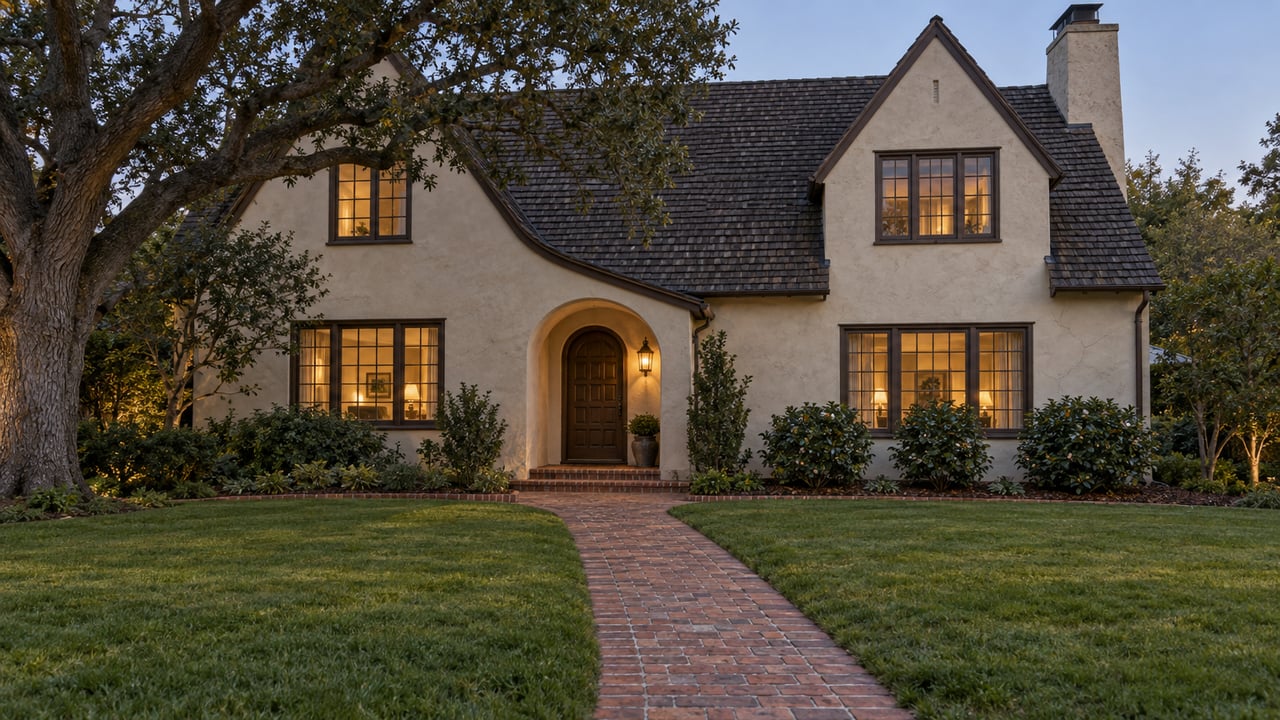
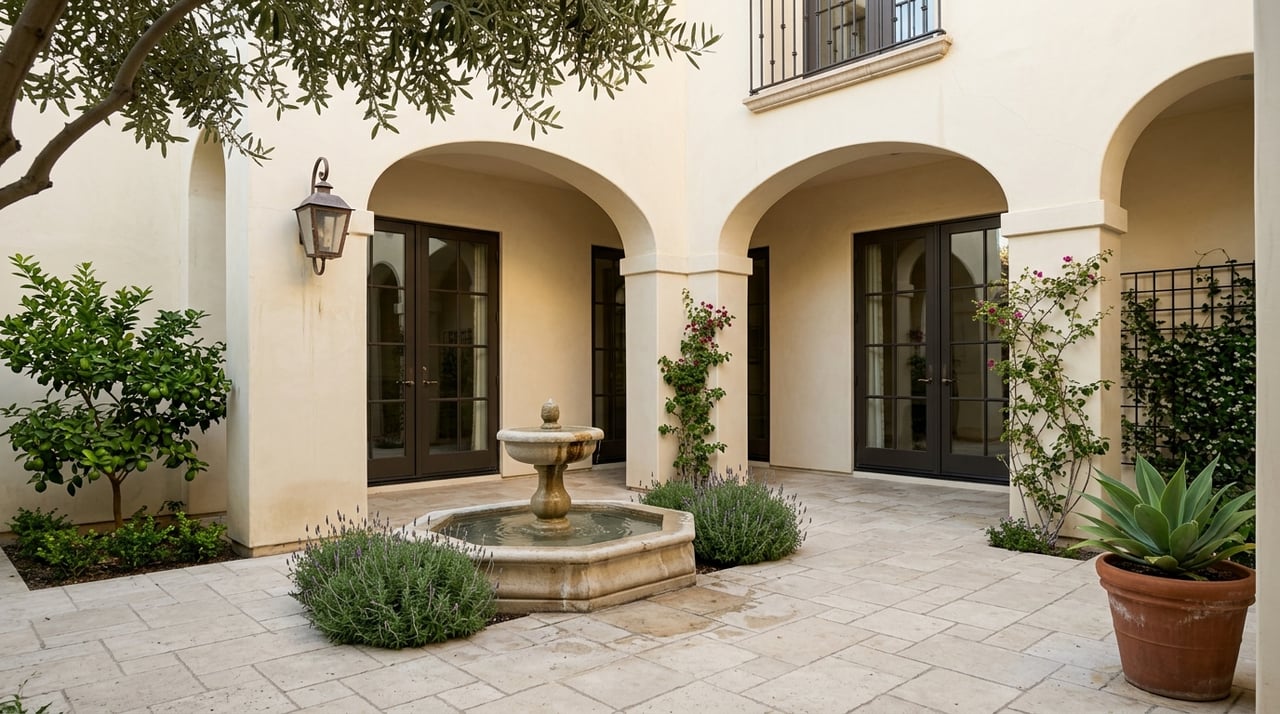
If you are considering buying in Los Feliz, the architecture often becomes part of the decision very quickly. City Planning materials describe Los Feliz Square as an intact collection of roughly 108 Period Revival single-family homes, predominantly Spanish Colonial Revival. The Los Feliz Village Commercial Historic District is noted for pedestrian-oriented storefronts and a mix of vernacular, Spanish Colonial Revival, Art Deco, Streamline Moderne, and Mid-Century influences.
For buyers who care about character, this is a big part of the draw. Los Feliz offers homes and streets that feel visually layered and historically grounded. Original details, thoughtful restoration, and a strong relationship between houses and neighborhood fabric often shape value here.
Preservation Shapes the Experience
Preservation is not just an aesthetic story. It can affect real decisions during a transaction. In local historic districts, exterior alterations, additions, landscaping, and even some changes that do not require a building permit may still need extra review.
For buyers, that means it is smart to understand preservation rules before planning future work. For sellers, it means original character and careful stewardship can carry real weight in how a home is perceived. In a neighborhood like Los Feliz, authenticity often matters.
What the Market Context Tells You
Los Feliz is a premium, character-driven market. Redfin reported a median sale price of $2.225 million in March 2026, with a median of 148 days on market and a somewhat competitive market overall.
That snapshot helps set expectations. Los Feliz is not usually a broad entry-price neighborhood. Buyers are often paying for a specific mix of architecture, location, preservation, and lifestyle that is difficult to find elsewhere in Los Angeles.
Walkability, Access, and Daily Routine
Many readers ask what part of Los Feliz feels most walkable. Based on the neighborhood layout, the Hillhurst and Vermont village core is the strongest answer. That is where merchants are concentrated and where the pedestrian-oriented historic commercial strip is most visible.
Transit is present, though Los Feliz still reads more village-and-car than rail-first. Metro’s Vermont/Sunset station serves the B Line and local bus service, and the Los Feliz Theatre notes that the station is about 0.46 miles away, with DASH and Metro Rapid service nearby.
For many residents, that means you can blend walking, driving, and transit depending on the day. The neighborhood core supports errands and leisure on foot, while the broader Los Angeles routine still often includes a car.
Why a Perfect Day Matters
A neighborhood guide is never just about where to get coffee or what to do on a Saturday. It is really about whether a place holds together as a way of life. In Los Feliz, the answer often comes from the way small routines connect: a morning on Hillhurst, open space in Griffith Park, a pause at Barnsdall, a visit to the library or theatre, and dinner back in the village.
That arc tells you something important. Los Feliz feels distinctive because it combines preserved architecture, cultural anchors, and everyday convenience in a way that feels natural rather than staged. If you are drawn to neighborhoods with visual character and a lived-in sense of place, it is easy to see the appeal.
If you are thinking about buying or selling a character home in Los Feliz, working with a team that understands architecture, preservation context, and neighborhood storytelling can make a real difference. Character Homes can help you navigate the market with a thoughtful, design-minded approach.
FAQs
What makes Los Feliz feel different from nearby Los Angeles neighborhoods?
- Los Feliz stands out for its mix of Griffith Park access, Barnsdall Art Park, pedestrian-oriented village streets, preserved commercial blocks, and a large concentration of historic homes and landmarks.
What part of Los Feliz is most walkable for daily errands and dining?
- The Hillhurst and Vermont village core is generally the most walkable area, with a dense concentration of merchants, cafes, restaurants, and cultural stops.
What should Los Feliz homebuyers know about historic district rules?
- In local historic districts, exterior changes, additions, landscaping, and some other visible work may require extra review, so it is important to understand those rules before planning renovations.
Is Los Feliz a good fit for buyers who want character homes?
- Los Feliz is especially appealing if you value Spanish Colonial Revival, Craftsman, Art Deco, Mid-Century, and other architecturally distinctive homes with preserved details.
What is the current Los Feliz housing market like?
- Recent market context shows Los Feliz as a premium, somewhat competitive market, with a median sale price of $2.225 million in March 2026 and a median of 148 days on market.
Does Los Feliz offer transit access as well as neighborhood walkability?
- Yes. The neighborhood has access to Metro service through Vermont/Sunset and nearby bus connections, while the village core also supports many daily outings on foot.