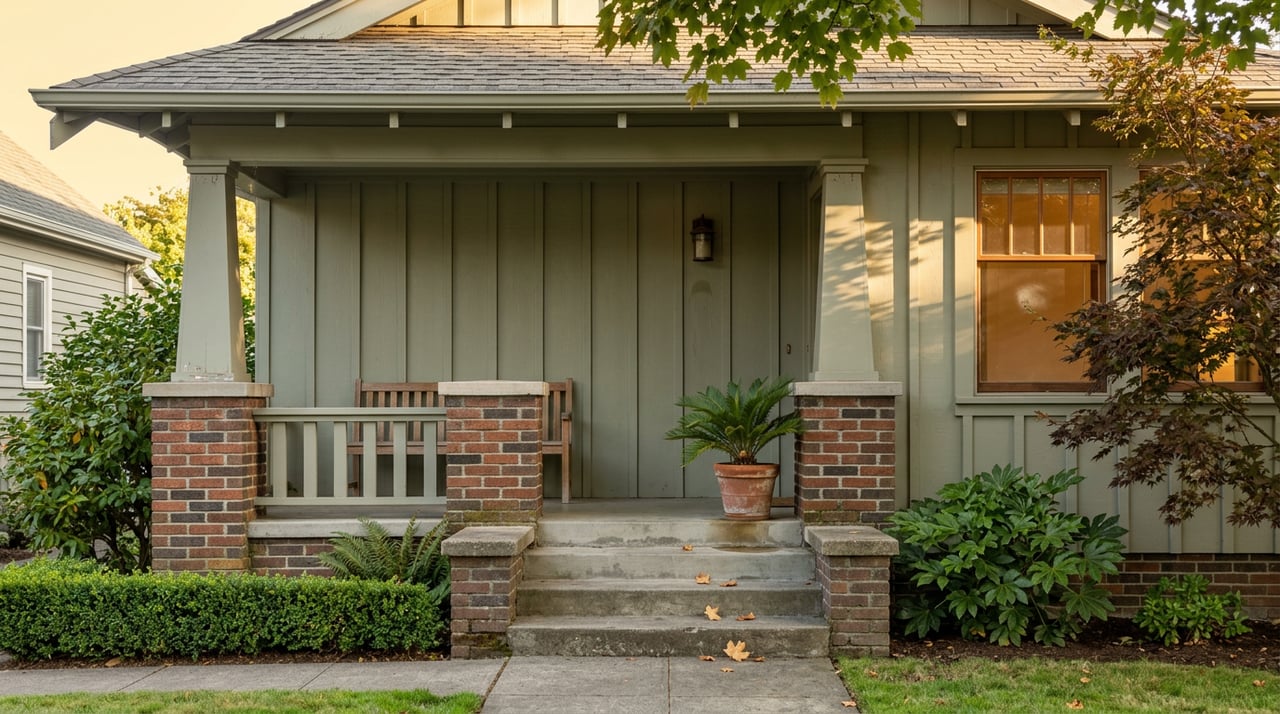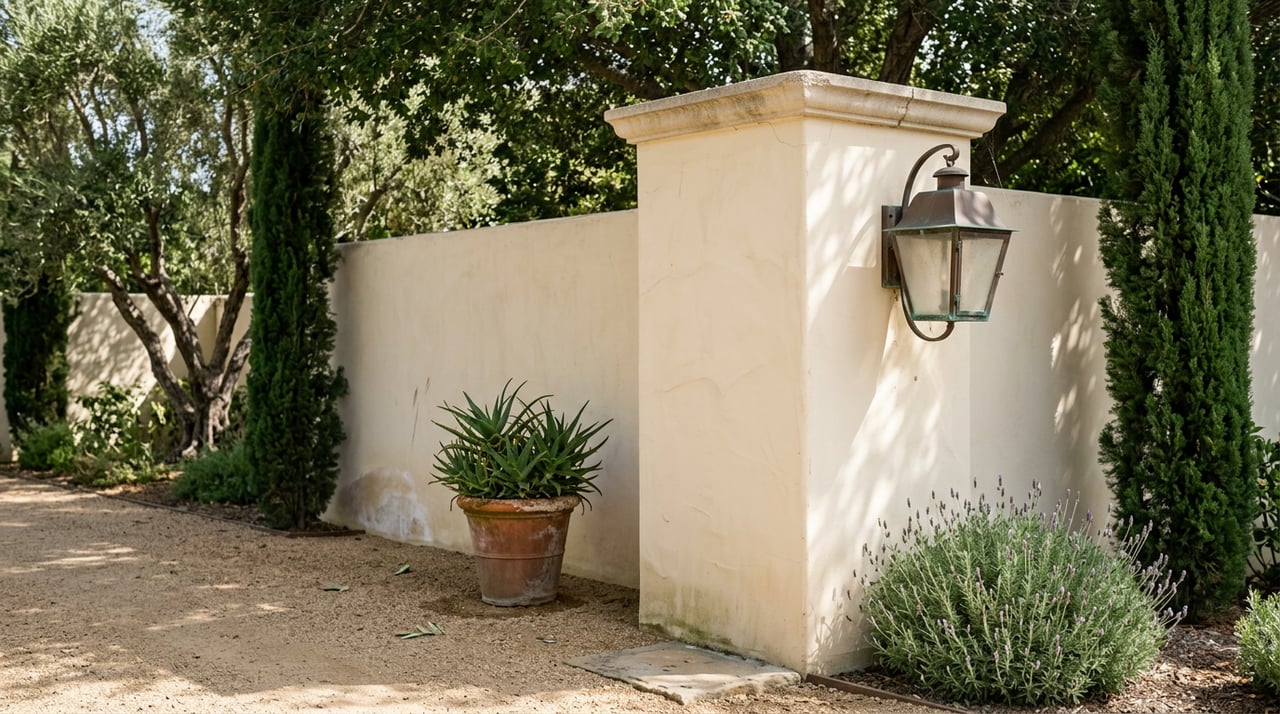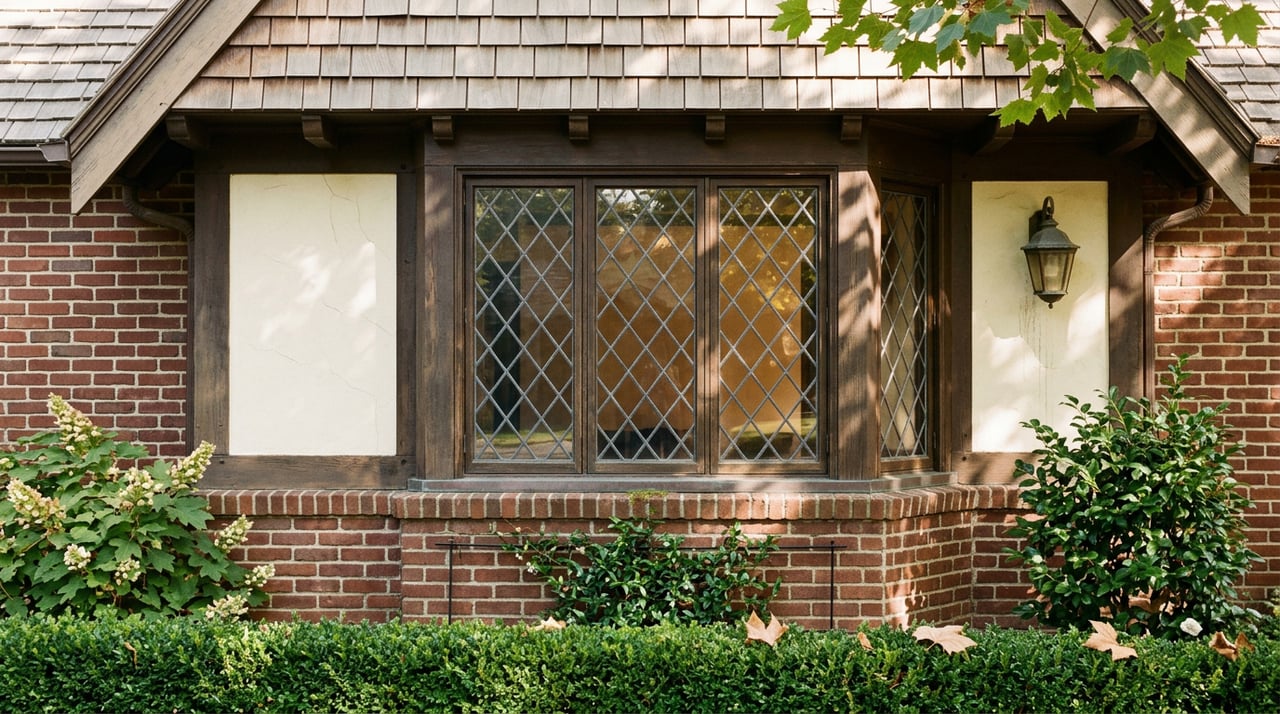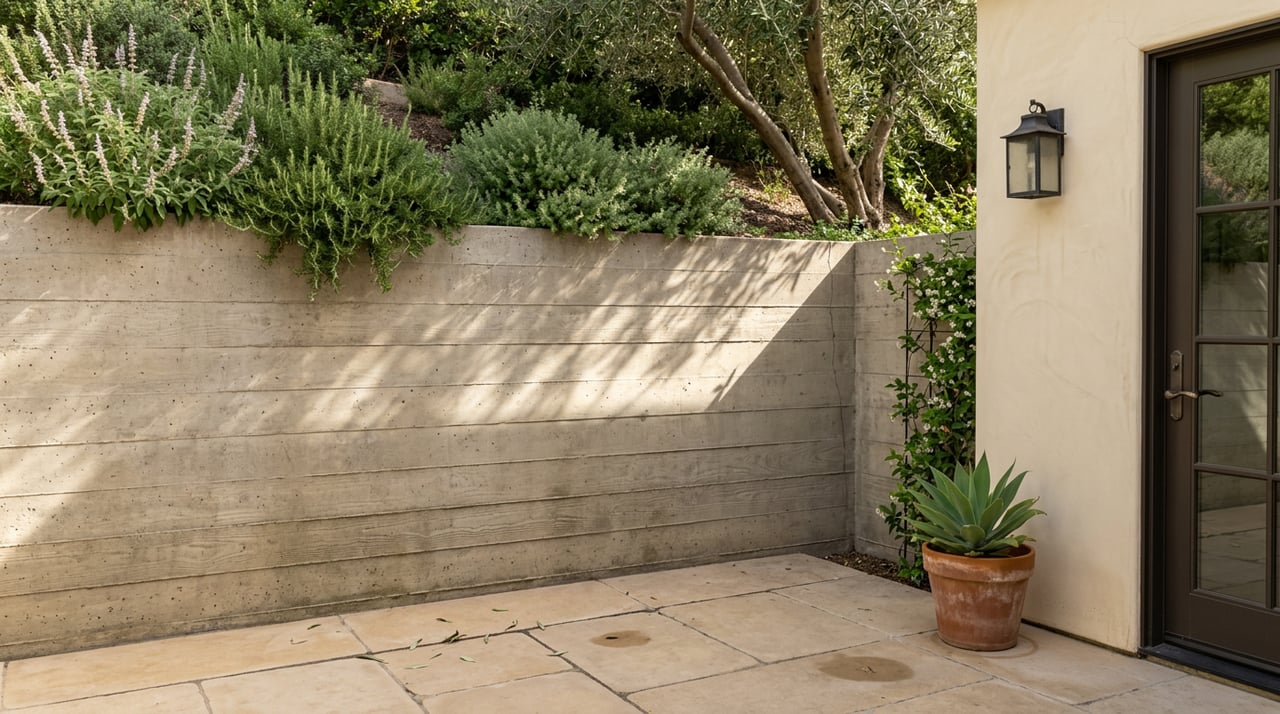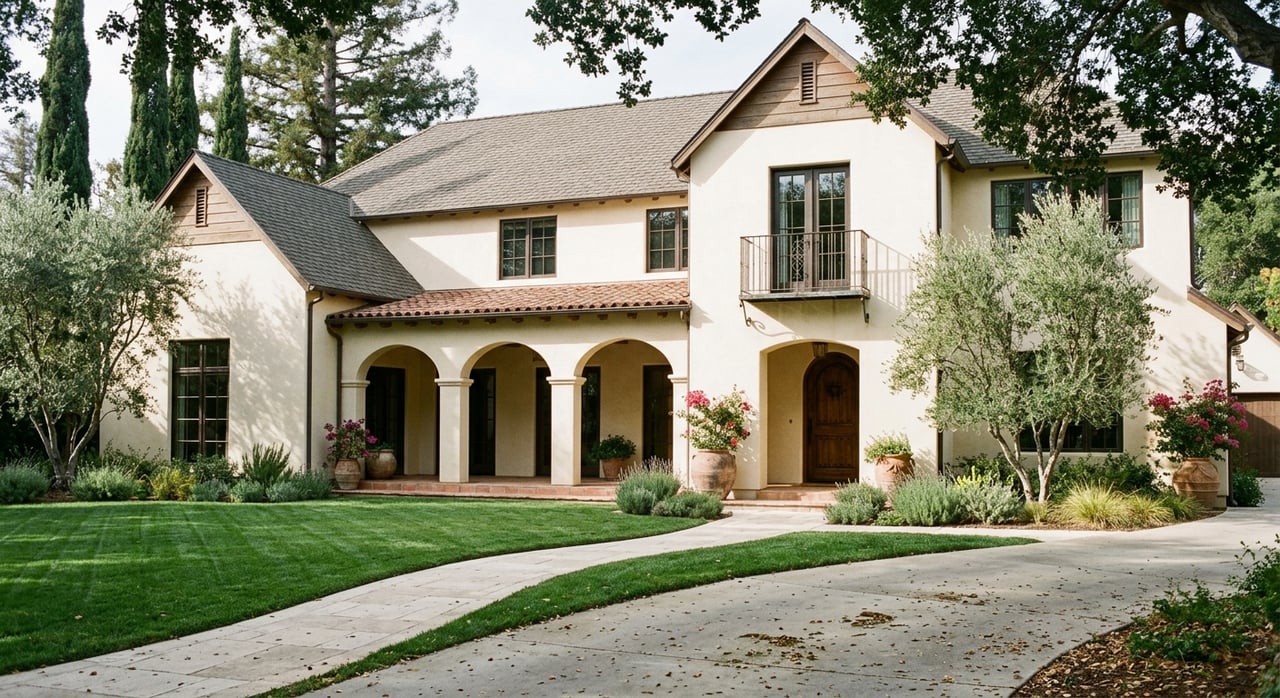
If you have ever driven through Hancock Park and wondered why the homes feel so grand, the answer is bigger than square footage alone. This neighborhood was designed to feel like an estate district, and that choice still shapes how its mansions look from the street today. If you are drawn to architecture, historic character, or the lasting appeal of old Los Angeles planning, this guide will help you understand what makes Hancock Park so visually powerful. Let’s dive in.
Hancock Park Was Planned for Grandeur
Hancock Park is not a neighborhood that happened by accident. According to the City of Los Angeles preservation documents, it was developed in the 1920s as a planned residential subdivision in the eastern portion of Rancho La Brea, land purchased by Major Henry Hancock in 1863 and later developed by G. Allan Hancock.
That planning history matters because the neighborhood was intentionally shaped to read as something more refined than a standard city tract. The Hancock Park Preservation Plan notes features like minimum 50-foot setbacks, rear utility lines, and 5-inch-thick concrete streets, described as the first such paving used in Los Angeles.
Those decisions changed the experience of the street. Instead of homes crowding the sidewalk, you see long front approaches, broad lawns, mature trees, and architecture with room to breathe.
Why Hancock Park Feels Like an Estate District
The estate feeling in Hancock Park comes from the relationship between house, lot, and landscape. Most homes are two-story single-family residences on spacious lots with raised front yards, gentle slopes, formal steps, and side driveways that often lead through a porte cochere to a rear garage, according to the preservation plan.
This layout creates a very different curb presence from many other Los Angeles neighborhoods. Garages are typically tucked to the rear, front-yard parking is discouraged in preservation guidelines, and front-yard fencing is generally considered inappropriate except in some higher-traffic locations. The result is a streetscape that feels open, layered, and composed.
Even the roads add to that impression. Hancock Park retains its original street grid, while streets west of Wilshire Country Club curve with the golf course contour, helping the neighborhood feel softer and more park-like than rigidly urban.
The Signature Architectural Styles
If you are trying to identify a Hancock Park mansion from the curb, period revival architecture is the clearest clue. The neighborhood’s most common styles are Tudor Revival, English Revival, Spanish Colonial Revival, and Mediterranean Revival, with Monterey Revival, American Colonial Revival, and French Revival also appearing throughout the district, as documented in the Hancock Park HPOZ plan.
While there are some early-modern examples such as Art Deco, Moderne, and Minimal Traditional homes, those are secondary to the larger revival character. That is one reason the neighborhood feels so cohesive. Even when homes differ in detail, they often share a similar sense of formality, craftsmanship, and historical reference.
Tudor and English Revival Details
Tudor and English Revival homes in Hancock Park often show steeply pitched roofs, tall narrow windows, and surfaces of brick, stone, stucco, or half-timbering. These homes tend to feel vertical, textured, and storybook in silhouette.
At street level, they often read as substantial and deeply rooted. The rooflines and material contrast give them a dramatic presence, especially when framed by mature trees and broad lawns.
Spanish Colonial Revival Elements
Spanish Colonial Revival homes usually feature low-pitched tiled roofs, stucco walls, and decorative ironwork, according to the preservation plan’s style descriptions. In Los Angeles light, these homes often feel especially natural to their setting.
This style is one of the reasons Hancock Park appeals so strongly to design-minded buyers. Smooth stucco, iron details, and layered garden approaches create a visual warmth that feels both elegant and livable.
Mediterranean and Monterey Character
Mediterranean Revival homes are often more massive and symmetrical, with rectangular plans and garden settings. They tend to project scale through composition rather than ornament alone.
Monterey Revival homes commonly use low-pitched gabled roofs and cantilevered second-floor balconies. Those balconies are one of the easiest style cues to spot if you are walking or driving the neighborhood.
Why Some Blocks Feel More Uniform
Not every part of Hancock Park developed at the same pace. The preservation plan explains that development began on Rossmore Avenue in 1920 and moved west toward Highland Avenue.
Lots fronting major east-west streets like Melrose, Beverly, and 3rd were considered less desirable for detached residential building, so many remained undeveloped until the 1950s and 1960s. That helps explain why some blocks feel more consistently grand and historically unified than others.
This is useful context if you are comparing properties in different parts of the neighborhood. The most cohesive streetscapes often reflect the earliest and most concentrated periods of mansion-scale development.
The Streetscape Matters as Much as the House
One of the biggest reasons Hancock Park stands out is that its grandeur is not limited to individual homes. The city’s planning documents make clear that the neighborhood’s significance lies in the district as a whole, not just in isolated landmark properties.
That means the trees, setbacks, driveways, sidewalks, and concrete street surfaces all play a role in the visual experience. Mature park-strip trees, especially sycamores and elms, reinforce the feeling of an old Los Angeles residential landscape with unusual depth and calm.
For buyers, this helps explain why Hancock Park can feel so compelling even before you step inside a house. You are responding to a complete environment, not just a facade.
Why Hancock Park Still Looks Cohesive Today
Historic neighborhoods can lose their character over time when incompatible remodels, demolition, or out-of-scale new construction start to break the visual rhythm. In Hancock Park, the HPOZ helps guard against that outcome.
According to the adopted city report, the HPOZ adds design review for new work and alterations, though it does not change the underlying zoning. Its purpose is to prevent incompatible alterations, new construction, and demolition from eroding the district’s historic character.
The survey work behind the preservation plan found a very high share of contributing resources. That is a major reason Hancock Park still reads as a coherent historic district rather than a scattered mix of old and new homes.
What This Means for Buyers and Sellers
If you are buying in Hancock Park, architectural style is only part of the story. You also want to pay attention to how a house sits on its lot, how its approach is designed, and how well its details work with the neighborhood’s broader historic context.
If you are selling, that context is part of your home’s value story. Buyers who love character homes often respond not just to original details, but to the larger estate-scale setting that makes Hancock Park feel distinct within Los Angeles.
That is where thoughtful marketing matters. When a home has architectural substance, the right presentation should highlight the materials, proportions, street presence, and design lineage that make it memorable.
For clients who care about architecture and neighborhood story, Character Homes brings a curator’s eye to distinctive Los Angeles properties. If you are thinking about buying or selling a Hancock Park home, the right guidance can help you see both the design details and the market story more clearly.
FAQs
What architectural styles are most common in Hancock Park mansions?
- The most common styles are Tudor Revival, English Revival, Spanish Colonial Revival, and Mediterranean Revival, with Monterey Revival, American Colonial Revival, and French Revival also represented.
Why do Hancock Park homes feel larger from the street?
- Many homes sit on spacious lots with deep 50-foot setbacks, raised front yards, formal steps, side driveways, rear garages, and layered landscaping that create an estate-like appearance.
What is the Hancock Park HPOZ?
- The Hancock Park HPOZ is a historic preservation overlay zone that adds design review for alterations and new work to help protect the neighborhood’s historic character.
Why do some Hancock Park blocks look more cohesive than others?
- Development started in 1920 on Rossmore Avenue and moved west, while some lots on major east-west streets were built later, which created differences in architectural uniformity from block to block.
What makes Hancock Park important beyond individual mansions?
- The neighborhood’s significance comes from the district as a whole, including its planned layout, mature trees, setbacks, concrete streets, and consistent period-revival streetscape.