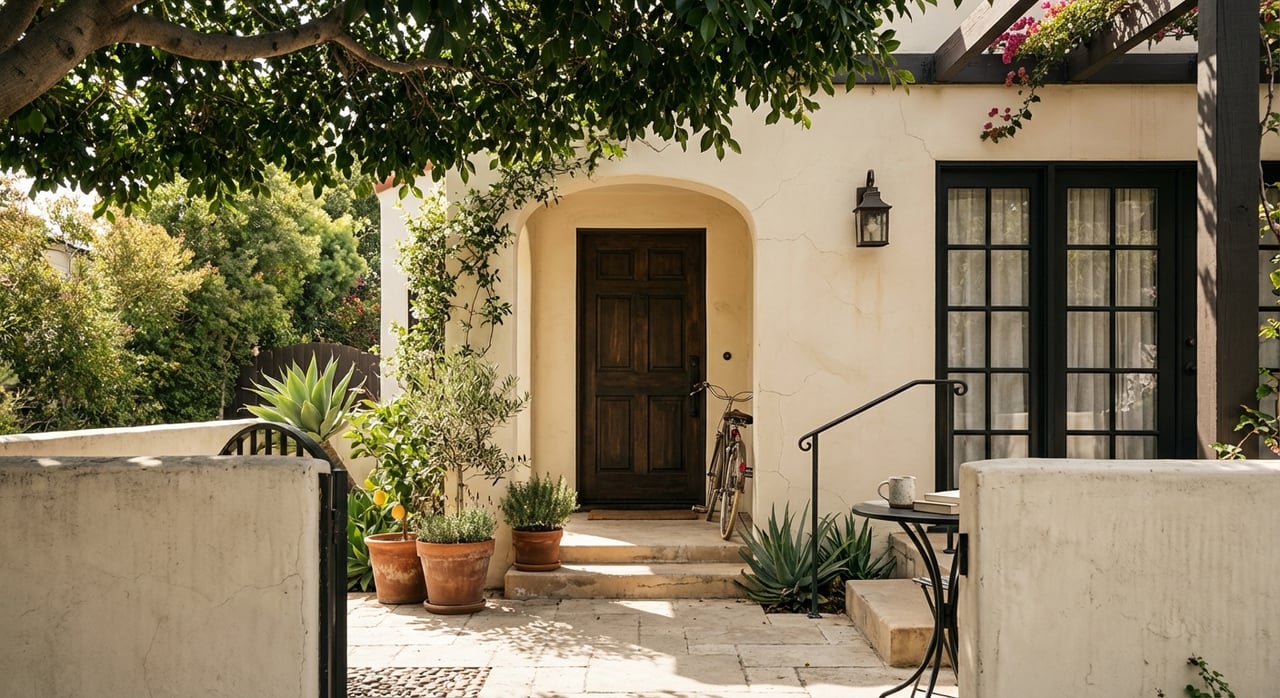
Imagine starting your day on a low-slung porch, the air cool and bright with that soft marine light Santa Monica is known for. You can hear a neighbor’s bike roll by, coffee shops are a short walk away, and the beach is close enough to shape your daily rhythm. If you are drawn to classic charm and garden-forward living, Santa Monica’s historic bungalows offer a lifestyle that blends design, community, and convenience. This guide walks you through what these homes are, where to find them, how it feels to live in one, and the practical rules to know before you buy. Let’s dive in.
What defines a Santa Monica bungalow
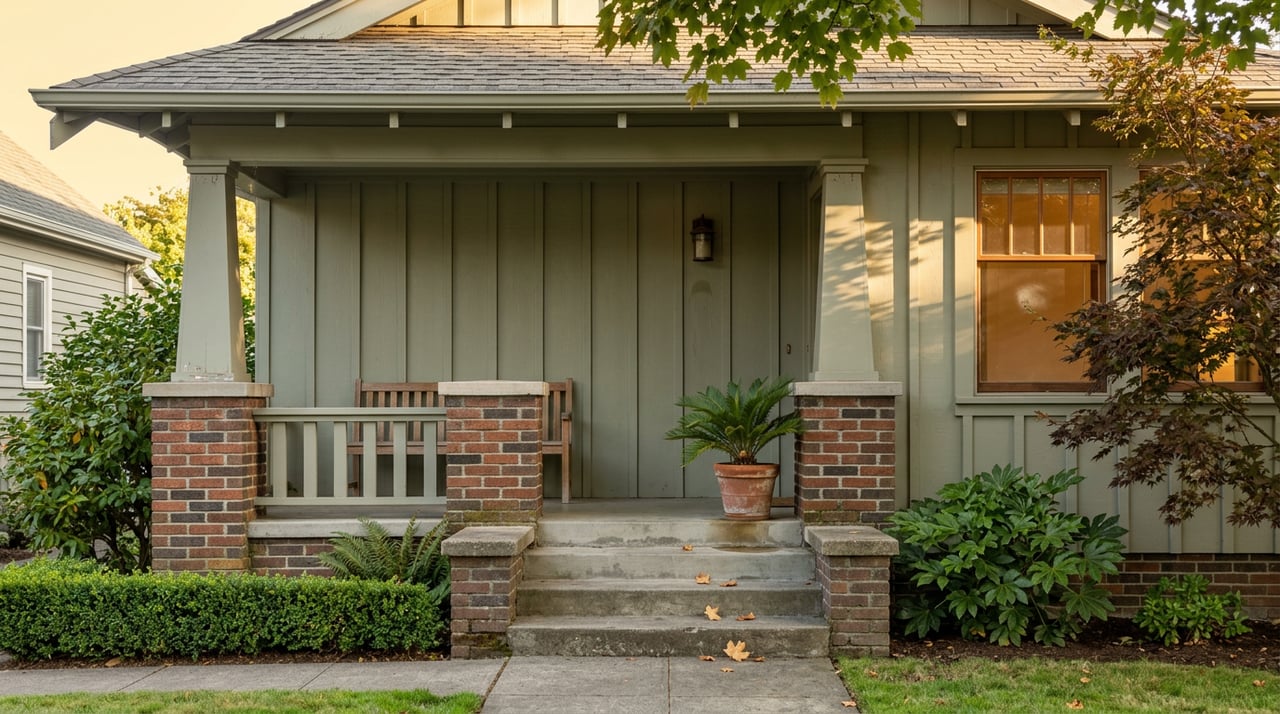
The California bungalow grew out of the early 20th-century Arts and Crafts movement. In Santa Monica, you will see single-family Craftsman bungalows with low gabled roofs, deep front porches, and exposed rafter tails, along with bungalow courts and later courtyard apartments that frame shared gardens. These types prioritize human scale, outdoor rooms, and honest materials. For a deeper primer on how bungalows and courts evolved across Los Angeles, explore this concise history of bungalow living and design traditions from LAist’s overview of the form and its regional context (LAist’s bungalow history).
Santa Monica actively documents and protects its historic fabric. The city maintains a Historic Resources Inventory, a Landmarks Commission, and a process for reviewing changes to designated properties. Local designation can add review for exterior changes, but it can also open doors to incentives that make preservation-friendly work easier to tackle. You can learn how the Historic Resources Inventory works and how status codes affect permits in the city’s explainer (City of Santa Monica HRI explainer).
Where to find them
- Ocean Park and the Third Street area. You will notice clusters of early cottages, small homes, and courts near the beach grid. A recently celebrated example is a 13-unit bungalow court at Beach and 2nd that underwent a sensitive rehabilitation, a good case study in materials, stucco repair, and window replication (Beach & 2nd bungalow court case study).
- San Vicente Courtyard Apartments Historic District. Running from Ocean Avenue toward 7th Street, this district showcases mid-century courtyard apartments, the post-war evolution of the bungalow court, set around landscaped shared open spaces (San Vicente Courtyard Apartments District).
- 11th Street Bungalow Historic District. In Mid-City, this small district preserves middle-class Craftsman cottages from the early 1900s, many with intact porches and period detail (11th Street Bungalow Historic District).
You will also find individual landmarks and small clusters in Ocean Park, Mid-City, Pico, and near the Palisades. If you want to get a feel on foot, use local neighborhood guides to map walks along Montana Avenue, Main Street, and the pedestrian-friendly downtown blocks that connect to the pier and Palisades Park (Santa Monica neighborhood guide).
Everyday rhythm and rituals
Mornings here often begin under a coastal overcast in late spring and early summer, with a gentle sea breeze and a narrow temperature range that keeps things comfortable most of the year. Climate records from the Santa Monica Pier station show about 12.2 inches of annual precipitation and a mild pattern shaped by the bay, which you will notice in how light moves through rooms and across porches (Santa Monica Pier climate normals).
Life in and around these bungalows is wonderfully walkable. Many areas sit close to everyday goods and cafés, like Main Street, Montana Avenue, and the Third Street Promenade. Downtown Santa Monica is also the western terminus of Metro’s E Line, with broad connections that make car-light living more practical if you commute or just prefer to leave the car at home (Metro E Line in Santa Monica).
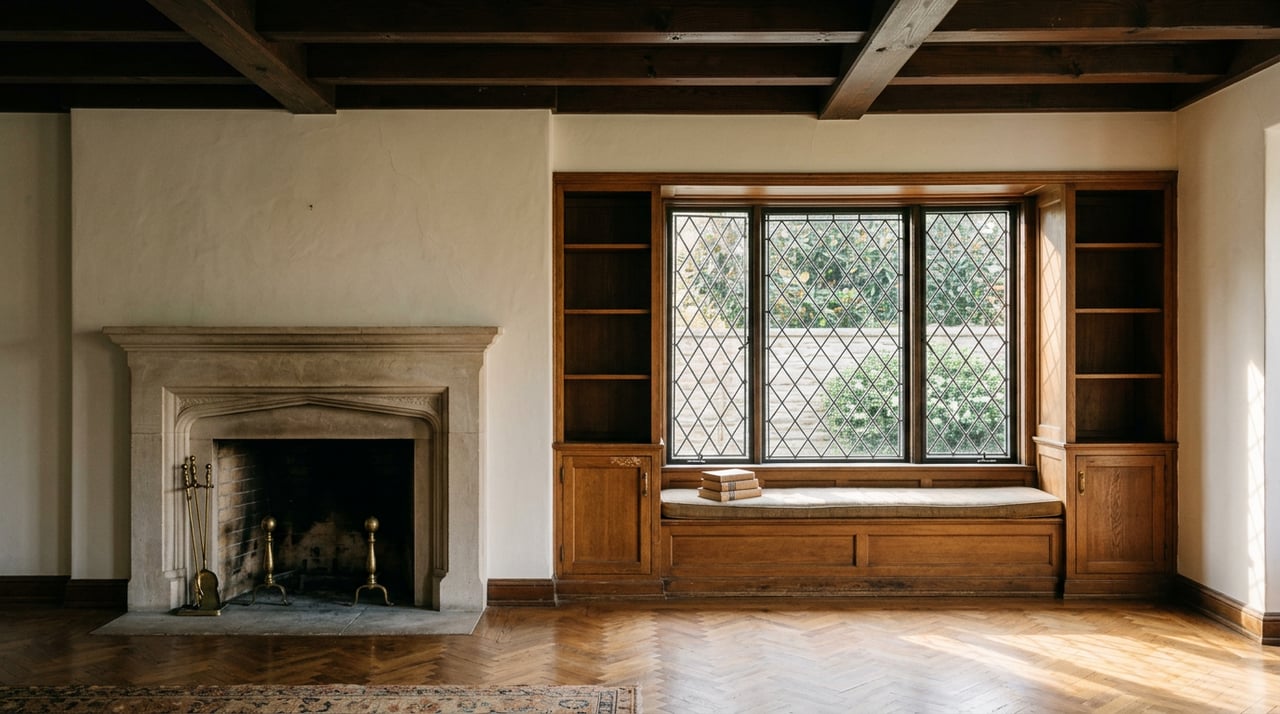
Outdoor rituals become part of your week. The Strand’s bike path, the pier, the sand, and sunset strolls through Palisades Park are all nearby. Bungalow courts add shared green space where neighbors cross paths, and single-family porches feel like semi-private outdoor rooms that keep you connected to the street. Inside, you will often find built-ins and defined rooms that feel tactile and intentional, a counterpoint to open-plan new builds.
Renovation and preservation basics
Historic status and permits
If a property is designated as a landmark or contributes to a historic district, exterior changes usually need a Certificate of Appropriateness and Commission review. Interiors are generally less regulated. The city’s program explains how the Historic Resources Inventory works, including status codes and when added review applies. Incentives can include fee waivers, priority plan checks, and eligibility for Mills Act contracts that reduce property taxes in exchange for approved maintenance and preservation work. Start with the city’s overview to see how your target property may be classified (City of Santa Monica HRI explainer).
ADUs and additions
Santa Monica allows ADUs, and the city runs a preapproved ADU program that can speed up permitting. If the home is designated or sits in a historic district, placement, massing, and design will face added review to protect character-defining features. Before you sketch plans, confirm setbacks and feasibility with Planning staff and align concepts with preservation guidelines using the city’s preapproved resources (Preapproved ADU program).
Seismic safety
Santa Monica has a mandatory seismic retrofit program that covers specific vulnerable building types, with screening and compliance deadlines for qualifying multi-family buildings. If you are considering a bungalow court or courtyard apartment, ask whether the property has completed required retrofits or has an open order. You can review the administrative requirements in the city’s code to understand the program framework (Seismic retrofit ordinance).
Parking and permits
Many bungalow neighborhoods rely on on-street parking. Santa Monica operates Preferential Parking zones with residential and visitor permits, plus Overnight Beach permits in certain areas. Plan for guest parking and check street sweeping schedules as part of your day-to-day routine.
Maintenance watchlist for vintage homes
Older bungalows reward care. Common items to investigate during due diligence include:
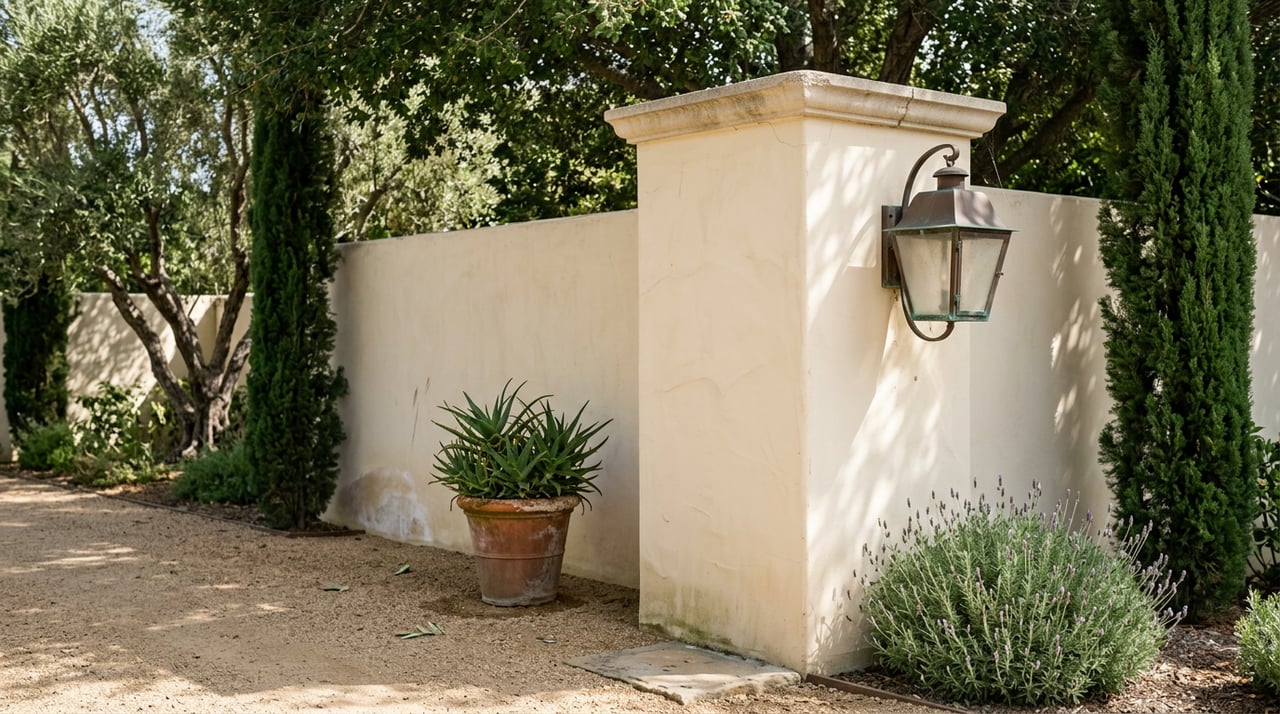
- Water intrusion behind stucco and at window openings
- Condition of older electrical and plumbing systems
- Termite activity and wood repair needs
- Foundation, drainage, and any seismic strengthening history
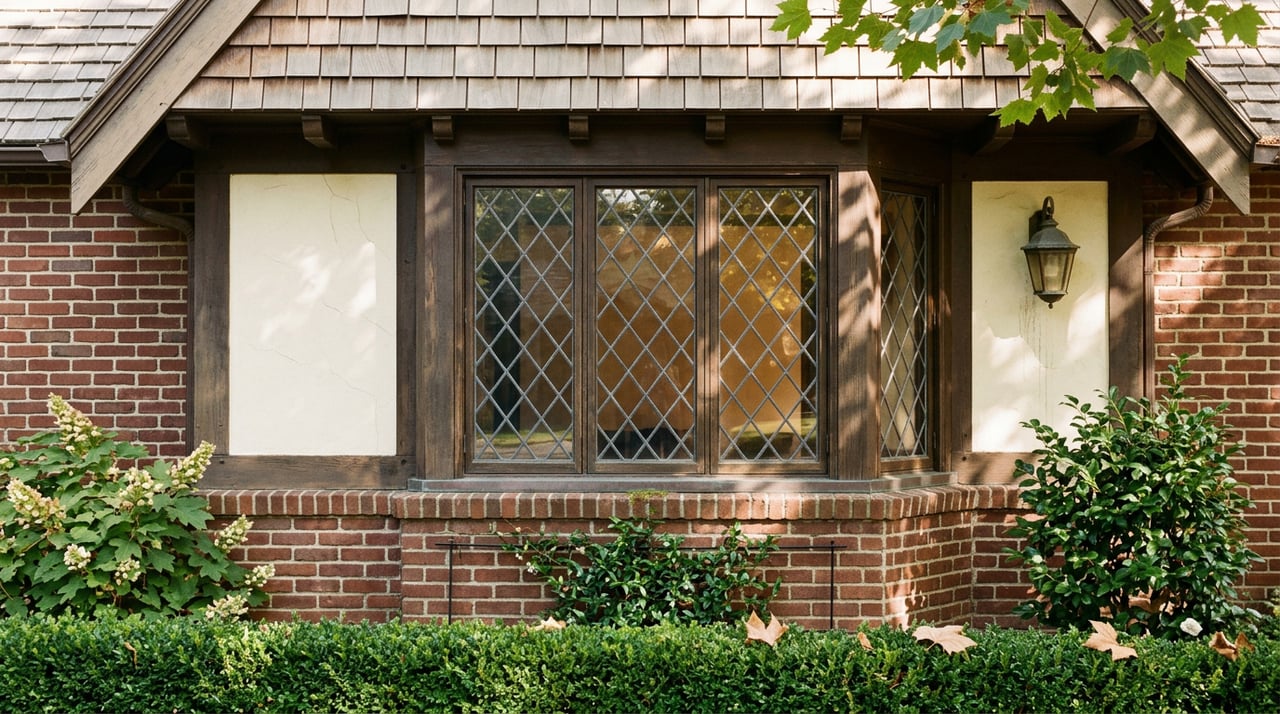
A recent bungalow court rehabilitation offers a helpful window into how teams address stucco remediation, replicate original window profiles, and balance historic detail with modern performance (Beach & 2nd bungalow court case study).
Buying in a premium market
Santa Monica is a premium coastal market, and values vary by neighborhood. Ocean-proximate areas tend to command higher prices than inland pockets. If you are beginning your search, remember that product type also shapes your entry point. Courtyard apartments and some condominium offerings can provide an on-ramp where single-family detached bungalows may be less common or more competitive.
The right fit depends on your goals. If you dream of a porch-forward single-family home, be prepared to move quickly when a well-preserved example appears. If you value historic outdoor space and a lower-maintenance lifestyle, a courtyard apartment in a designated district could check more boxes.
Is bungalow life for you?
If the idea of garden space, human-scale architecture, and a short walk to coffee resonates with you, Santa Monica’s historic bungalows might be the perfect match. These homes invite a slower, more connected way of living, without sacrificing access to culture, shopping, and transit. The key is understanding how preservation policy and building age inform your plans.
Use this quick self-check as you consider next steps:
- You value craftsmanship, built-ins, and a porch you will actually use.
- You prefer walkable neighborhoods with strong public amenities nearby.
- You are open to thoughtful upgrades that respect original character.
- You are willing to coordinate with city review for exterior changes on designated properties.
- You want an ADU or studio in back and are ready to confirm feasibility early.
Ready to find a bungalow or courtyard home that fits your life? Our team specializes in character-rich properties and knows how to navigate preservation, design, and the market in a way that protects what makes these homes special. Reach out to Character Homes to start your search.
FAQs
Can you change a landmarked bungalow’s exterior in Santa Monica?
- Exterior changes to designated landmarks or contributing structures typically require a Certificate of Appropriateness and Landmarks Commission review, while interiors are usually less regulated (City HRI explainer).
Can you add an ADU to a historic bungalow lot in Santa Monica?
- Yes, ADUs are allowed, and the city offers a preapproved ADU program, but historic status, setbacks, and site conditions will guide design and placement (Preapproved ADU program).
Where can you see Santa Monica’s bungalow fabric on foot?
- Walk Ocean Park near Third Street for early cottages and courts, explore the San Vicente Courtyard Apartments District, and stroll Mid-City’s 11th Street district for Craftsman cottages (San Vicente District and 11th Street District).
What are common maintenance issues in older bungalows?
- Expect checks for water intrusion in stucco, aging electrical and plumbing, termite repair, foundations and drainage, and potential seismic upgrades, as seen in local rehabilitation case studies (Bungalow court case study).
How does Santa Monica’s climate shape bungalow living?
- A mild, ocean-moderated climate with about 12.2 inches of annual rain and frequent early-summer marine layer shapes porch life, daylight patterns, and comfortable year-round routines (Climate normals).