Thinking about new windows, a roof refresh, or an ADU in Los Feliz? If your home is within the Historic Preservation Overlay Zone, those charming details you love are part of a protected story. You want to do things right, keep your timeline realistic, and avoid costly do-overs. This guide shows you how Los Feliz HPOZ review works, which features matter most, and the smart steps to take whether you already own or you are buying. Let’s dive in.
What the Los Feliz HPOZ does
Los Angeles uses Historic Preservation Overlay Zones to safeguard the exterior character and streetscape of historic neighborhoods. In Los Feliz, the goal is to preserve architectural identity, maintain cohesive block patterns, and guide updates so new work fits the established context. Review focuses on what the public can see, which means exteriors and certain landscape features.
Interiors are generally not regulated through HPOZ. If a structure is also a designated historic-cultural monument or subject to a separate agreement, other rules can apply. When in doubt, confirm with the City’s Office of Historic Resources.
How review works in Los Feliz
Who reviews your project
The City of Los Angeles Office of Historic Resources administers HPOZs with preservation planners who handle day-to-day reviews. The Los Feliz HPOZ Board holds public hearings for larger or more visible projects. The Los Feliz HPOZ Preservation Plan and the Secretary of the Interior’s Standards for Rehabilitation guide decisions.
When you need approval
You will typically need review for exterior changes visible from the street, demolition, new construction, additions, and landscape or hardscape work that changes the public view. Ordinary maintenance and in-kind repairs often do not require a Certificate of Appropriateness, but exemptions are specific. Always confirm whether your scope is exempt, staff-level, or Board-level.
Types of approvals
- Exempt work: Routine maintenance and like-for-like repair may be exempt. Confirm your exact scope against the Preservation Plan.
- Staff-level approvals: Many compatible repairs and minor changes, plus some rear additions that are not visible from the public way, can be approved by OHR preservation staff.
- Board review: Major alterations, visible additions, demolition, new primary structures, and compatibility questions are heard by the HPOZ Board at a public meeting.
Timelines and fees
Staff-level approvals can take several weeks depending on City workload and application completeness. Board-reviewed projects can require multiple months due to scheduling, environmental checks when needed, and permit processing. The City maintains an application fee schedule, which you should verify before filing. Starting work without approvals can trigger stop-work orders, penalties, and restoration requirements.
What “character-defining” means in Los Feliz
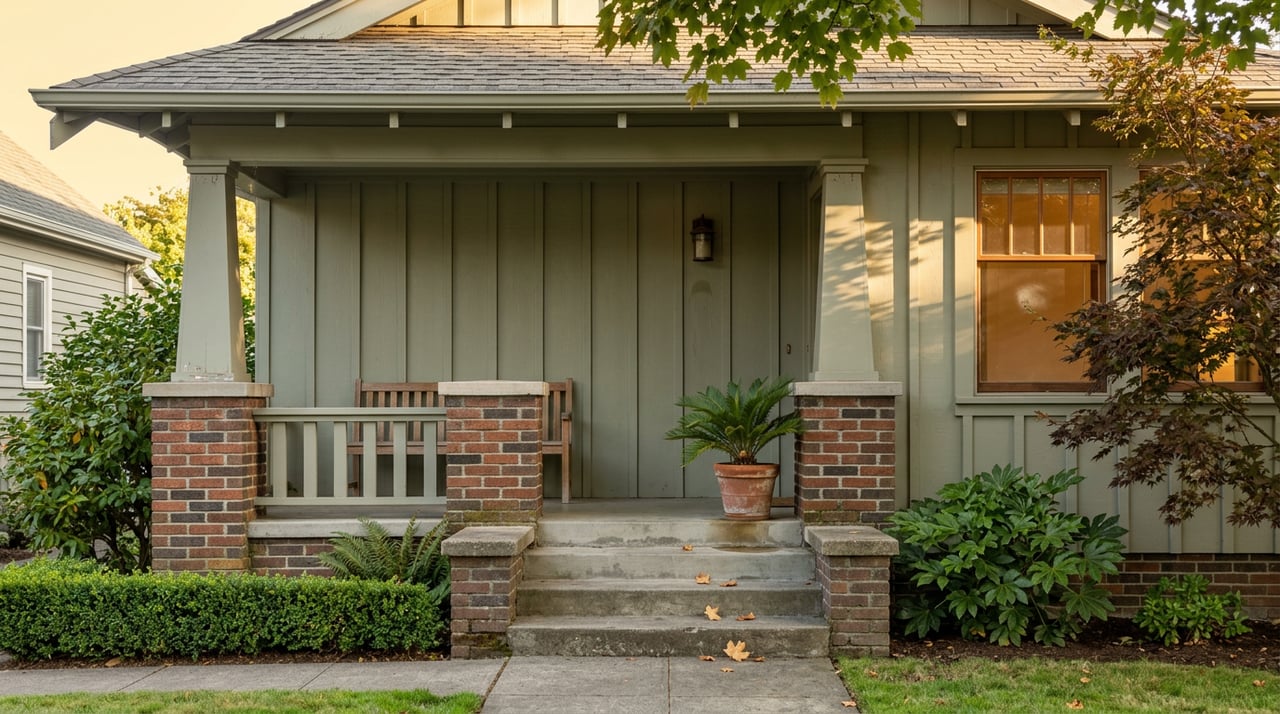
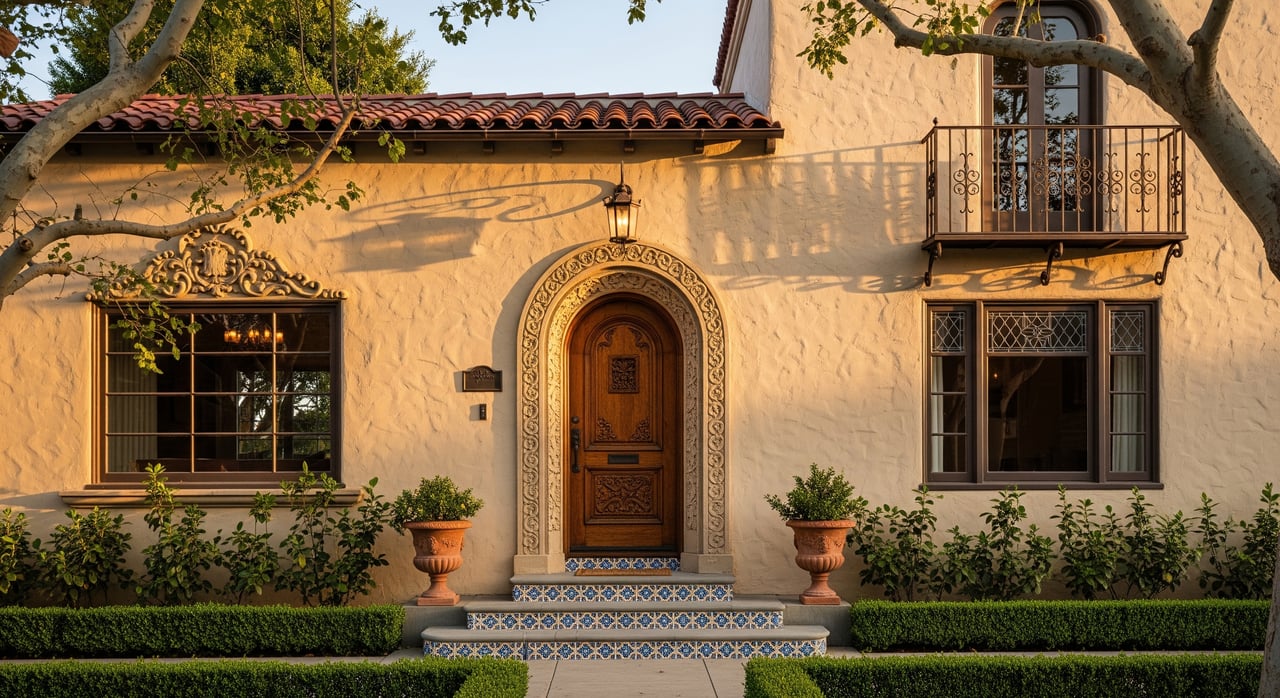
Los Feliz’s historic fabric features early 20th-century period revival and Craftsman-era homes. You will see Spanish Colonial Revival, Tudor Revival, Mediterranean and Italianate influences, American Craftsman and Bungalows, and Minimal Traditional forms. The HPOZ focuses on protecting the public-facing features that define these styles.
Common character-defining elements include:
- Roofs: Mission or clay tile, composition shingles where original, roof shapes and eaves, exposed rafter tails, and chimney massing.
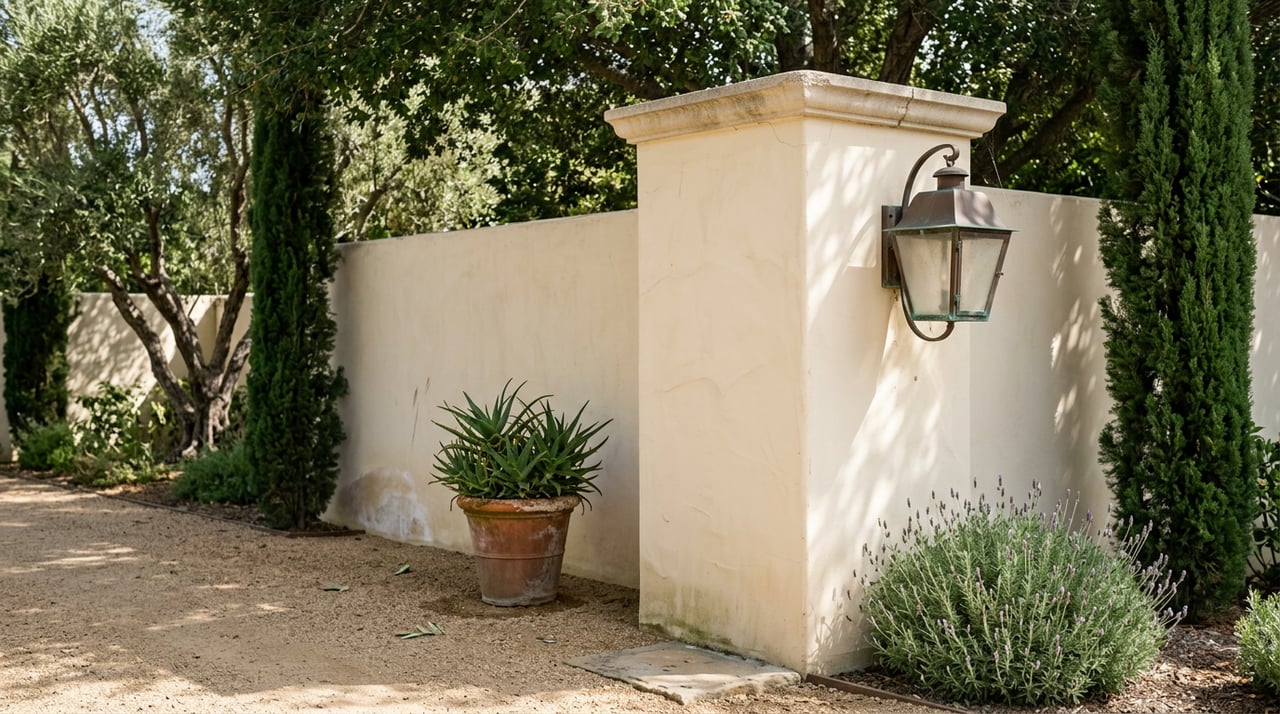
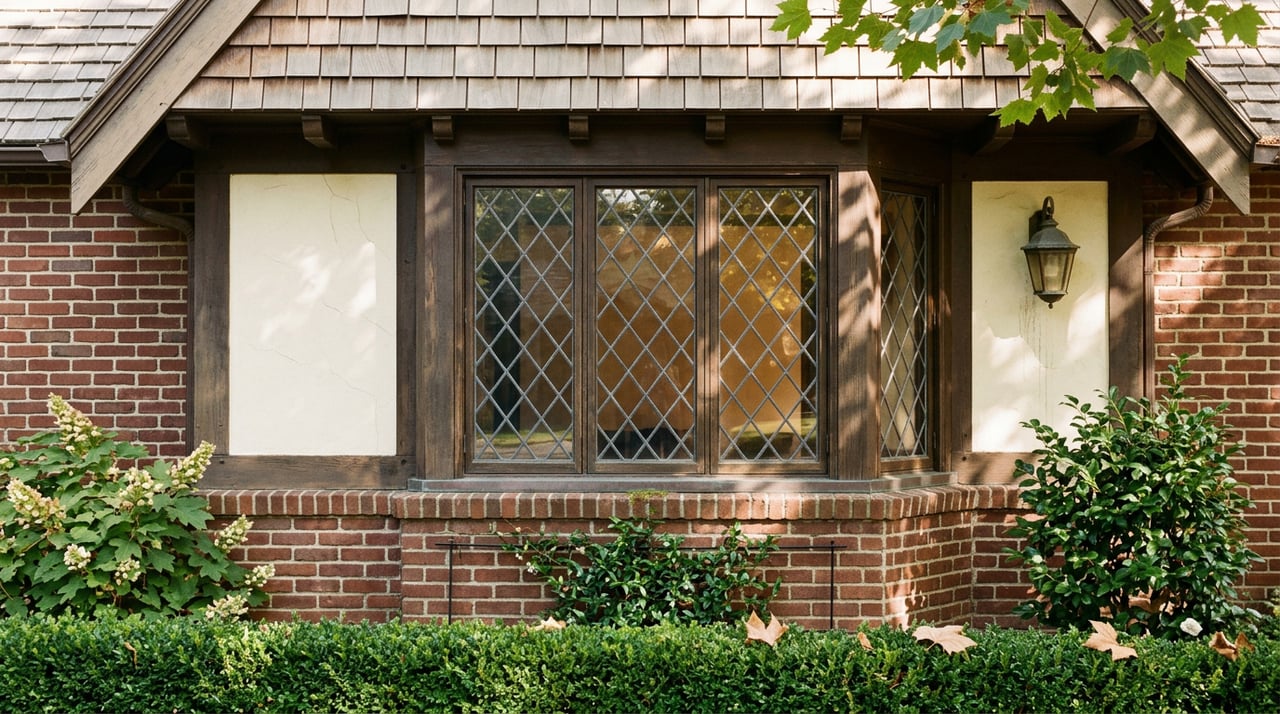
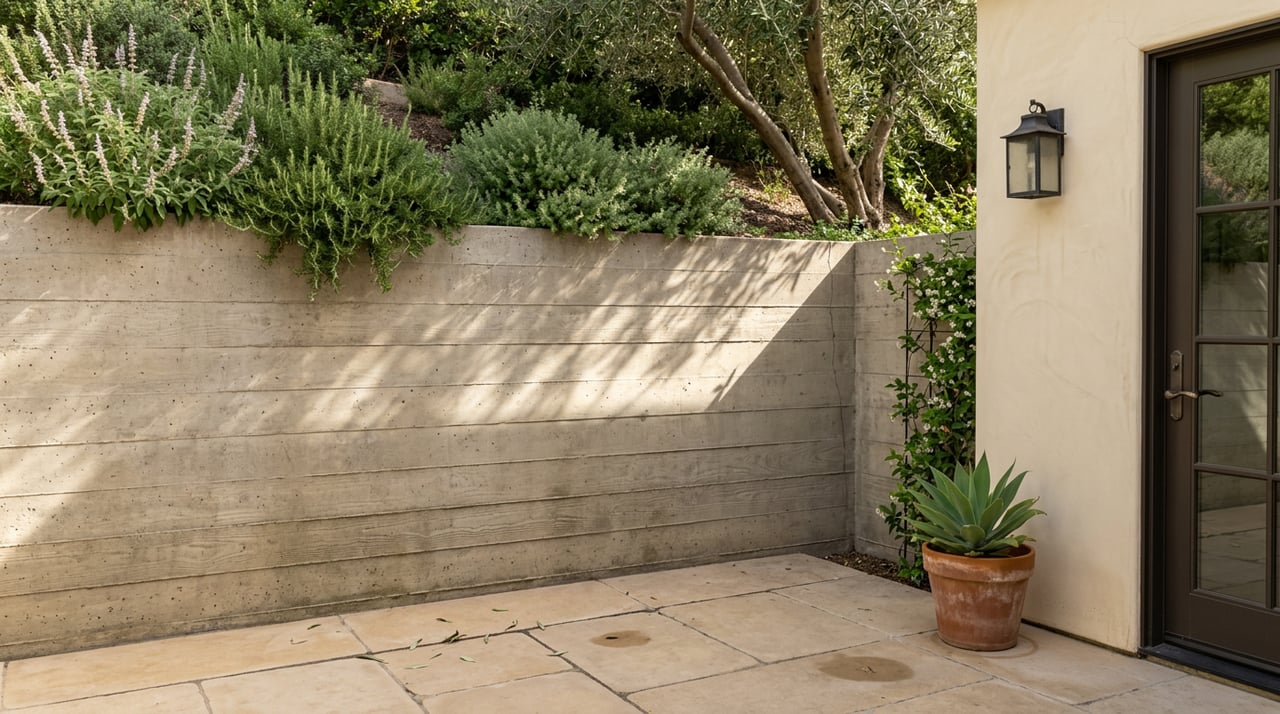
- Exterior walls: Stucco and its texture, original wood siding or shiplap, decorative half-timbering on Tudor homes, and brick or stone details.
- Windows: Original double-hung and casement types, divided lights, arched openings, leaded glass, and the original frame and muntin patterns.
- Doors and porches: Original front door styles, sidelights, porch columns and railings, stoops, and integrated verandas.
- Decorative details: Tilework at stairs and porches, ornamental iron, carved woodwork, corbels, brackets, balustrades, and distinctive chimneys.
- Garages and site features: Detached garages and carriage houses, historic driveways and walkway materials, low front walls, period fencing, and front yard setbacks that define the streetscape.
Common projects and what to expect
Window repair or replacement
Original windows are often character-defining. Repair in place is typically encouraged. If replacement is necessary, matching materials, profiles, and muntin patterns is important, especially where the windows are visible from the street. Visible vinyl replacements are often discouraged and may require heightened review or mitigation.
Re-roofing and roof details
Keep the profile and eave details intact. Changing visible roofing material, such as switching from clay tile to asphalt, will be reviewed for compatibility with the building’s style. Preserve decorative chimneys and tile accents whenever possible.
Additions and ADUs
Additions must be compatible in scale, massing, and materials and should minimize impacts to the street view. Accessory Dwelling Units are influenced by state law for ministerial permitting, but if your ADU affects public-facing elements or visible massing, HPOZ compatibility review still applies. Start with OHR early to map the right path.
Garages, driveways, and parking
Detached garages, driveway locations, and curb approaches contribute to the historic lot pattern. Conversions, relocations, or new driveway cuts usually trigger review because they affect the rhythm of the streetscape.
Paint and finishes
Be cautious with masonry. Painting previously unpainted brick or stone, removing historic finishes, or abrasive cleaning methods like sandblasting are commonly problematic. Plan gentle, reversible treatments that respect original materials.
Demolition or substantial removal
Partial or full demolition of character-defining elements, and any proposal that would remove a contributing building, requires a Certificate of Appropriateness and receives close scrutiny. Expect a Board hearing and a robust review of alternatives and mitigation.
Step-by-step checklist before you start
- Confirm whether your property is within the Los Feliz HPOZ and review the Los Feliz HPOZ Preservation Plan for style-specific guidance.
- Email or call an OHR preservation planner with your address and a short scope summary to verify if your project is exempt, staff-level, or Board-level.
- Document existing conditions with photos, including street views and any historic images you can find, plus a simple site plan and elevations.
- If replacing windows, roofing, or cladding, assemble product cut sheets and samples that show profiles, materials, and patterns that match the original.
- Build time into your schedule for completeness checks, possible Board hearings, and permit issuance after approval.
- If you are in escrow, request prior Certificates of Appropriateness, permits, inspection reports, and any HPOZ correspondence.
Buying in the Los Feliz HPOZ
Purchasing in an HPOZ is a smart move if you value authenticity and a stable streetscape. The process is predictable when you plan ahead and gather the right records.
Documents to request during due diligence
- Copies of all prior Certificates of Appropriateness and exterior permits
- Any HPOZ Board decisions or staff determinations tied to the property
- Confirmation of contributing or non-contributing status from OHR, if available
- Any Mills Act contract or historic designation files
- Notes on recent work that might have been done without approval
Red flags to investigate
- Replaced front-facing windows that do not match original profiles or materials
- Fresh exterior work with no permits or COAs on record
- Driveway relocations, new front fences or walls, or altered porch elements that change the street view
The Mills Act and potential savings
The Mills Act is a state program that can reduce property taxes for qualified historic properties in exchange for a maintenance agreement that supports preservation. In Los Angeles, contracts are administered by OHR. If a property already has a Mills Act contract, it typically transfers to you at sale and brings ongoing compliance obligations. Evaluate both the tax impact and your maintenance commitments.
Avoid common pitfalls
- Do not start exterior work visible from the street before consulting OHR.
- Avoid replacing wood windows with incompatible vinyl where visible. Explore repair or historically sensitive replacements.
- Do not change roof forms or eave details. Keep original profiles intact.
- Do not sandblast or apply harsh treatments to historic masonry or stucco.
- Confirm whether garages or driveways can be altered before making plans that shift the streetscape.
- Check for additional protections or incentives, such as historic-cultural monument status or a Mills Act contract.
Who to contact and what to review
- Office of Historic Resources: Start here for boundaries, the Los Feliz HPOZ Preservation Plan, application requirements, and planner contacts.
- Los Angeles Department of City Planning: Coordinates permits and maintains the fee schedule.
- Los Feliz HPOZ Board: Reviews major projects at public hearings and maintains records of past decisions.
- Secretary of the Interior’s Standards for Rehabilitation: Provides widely used best practices for compatible design and material choices.
- Preservation professionals: Architects, landscape designers, and contractors with HPOZ experience can streamline your submittals and reduce iterations.
Work with a guide who values character
The right strategy lets you update your home and keep the Los Feliz spirit intact. Plan early, preserve original details where possible, and build a clean record of approvals for future resale value. If you want a second set of eyes on feasibility, cost, and market impact, our team can help you prioritize what to keep, what to upgrade, and how to tell the story of your home.
If you are weighing a project or a purchase in the Los Feliz HPOZ, connect with Jose Prats to talk through options and next steps. Discover character homes and schedule a showing with a team that understands preservation, design, and value.
FAQs
What is the Los Feliz HPOZ and does it regulate interiors?
- The HPOZ protects exterior, public-facing character and streetscapes; interiors are generally not regulated unless there is a separate designation with specific requirements.
How long does a Certificate of Appropriateness take in Los Feliz?
- Staff-level approvals often take several weeks, while Board-reviewed projects can take multiple months based on scope, scheduling, and permit processing.
Can I replace front-facing wood windows with vinyl in the HPOZ?
- Visible vinyl replacements are commonly discouraged; repair or historically sensitive replacements that match original profiles and patterns are preferred and more likely to be approved.
Are ADUs allowed in the Los Feliz HPOZ?
- State ADU law applies, but if your ADU changes public-facing elements or visible massing, HPOZ compatibility review still applies, so contact OHR early.
What is the Mills Act and how could it benefit me in Los Feliz?
- The Mills Act can lower property taxes for qualified historic properties in exchange for a preservation maintenance agreement administered by the City of Los Angeles.
What happens if I start exterior work without HPOZ approval?
- The City can issue stop-work orders, fines, and may require restoration or mitigation to correct unapproved changes.