Do you light up at the sight of red clay tiles, glowing wood built‑ins, or glassy post‑and‑beam lines? If you’re drawn to character homes, Santa Monica gives you real choices, but each style lives differently day to day. You want the look, but you also need the layout, maintenance, and permitting to make sense. In this guide, you’ll compare Spanish, Craftsman/bungalow, and Mid‑Century homes, learn where they tend to cluster, and get a practical checklist for tours and inspections. Let’s dive in.
Santa Monica style overview
Santa Monica’s character homes tell a story of growth by era and neighborhood. You’ll see early 1900s Craftsman and bungalow cottages, 1920s–1930s Spanish Revival and Mediterranean influences, and postwar Mid‑Century Modern houses. Each offers a distinct feel, from cozy craftsmanship to courtyard romance to open, glassy modernism.
Spanish Revival essentials
Hallmark features
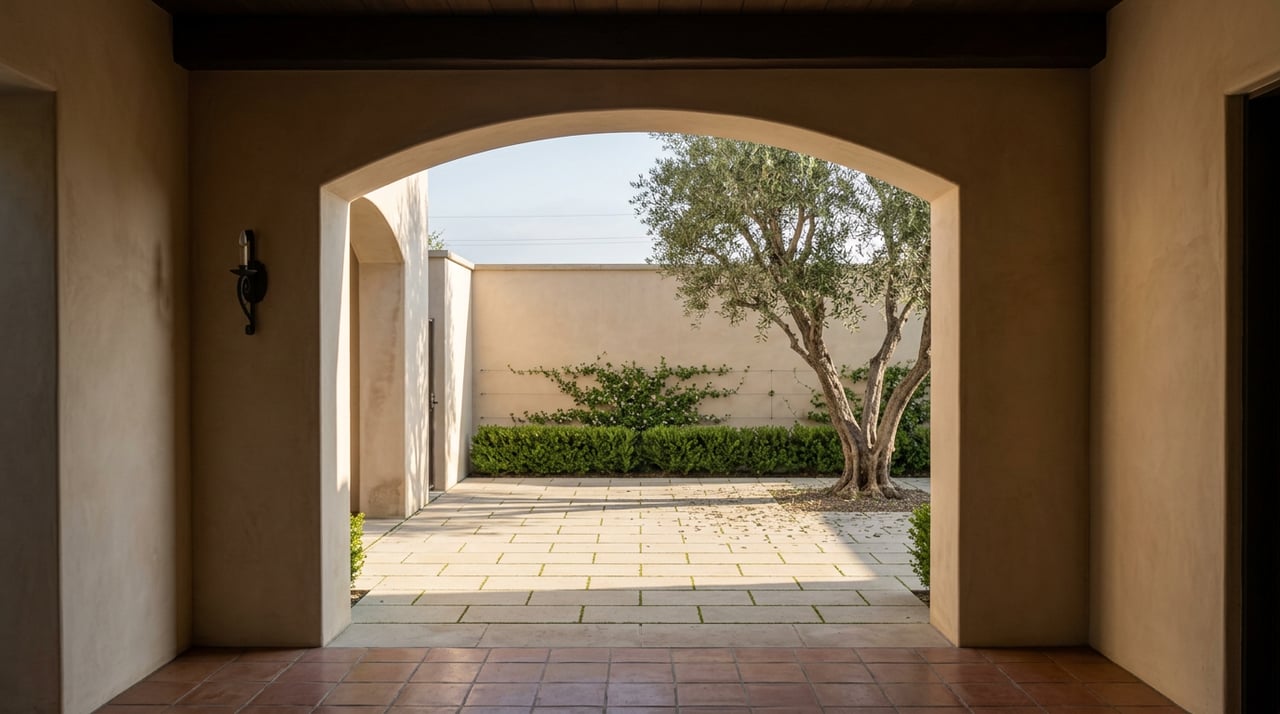
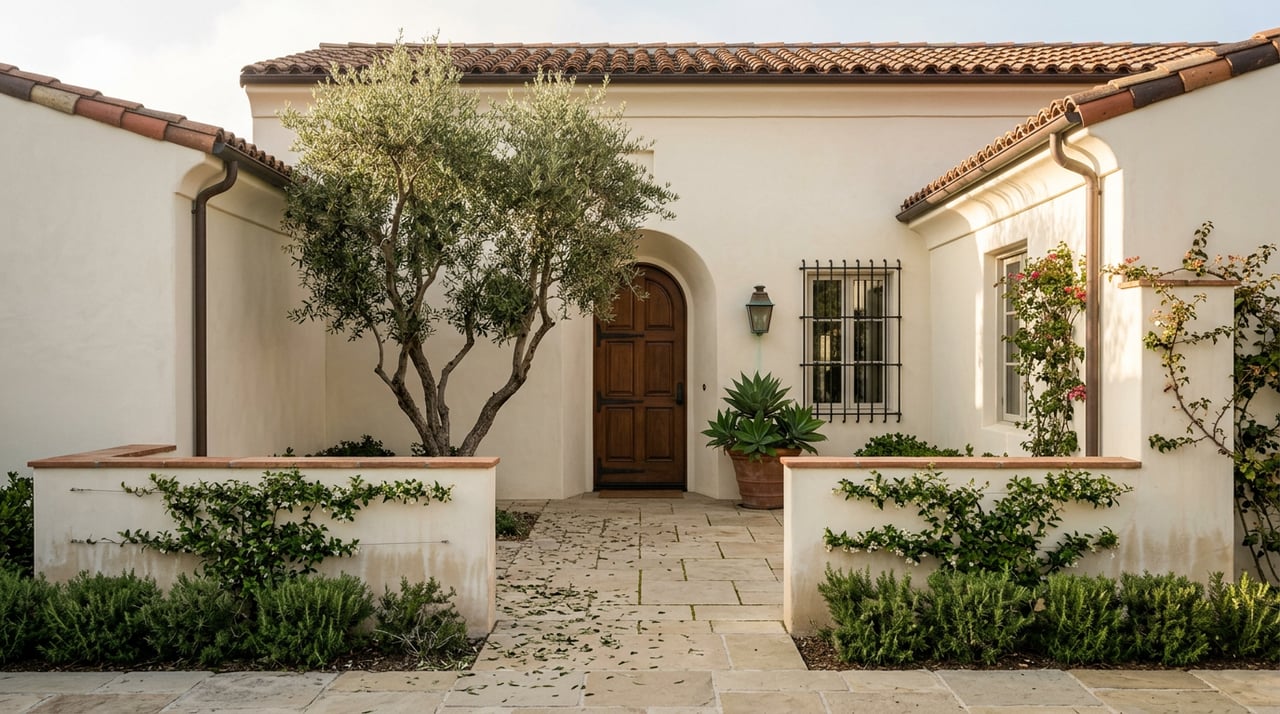
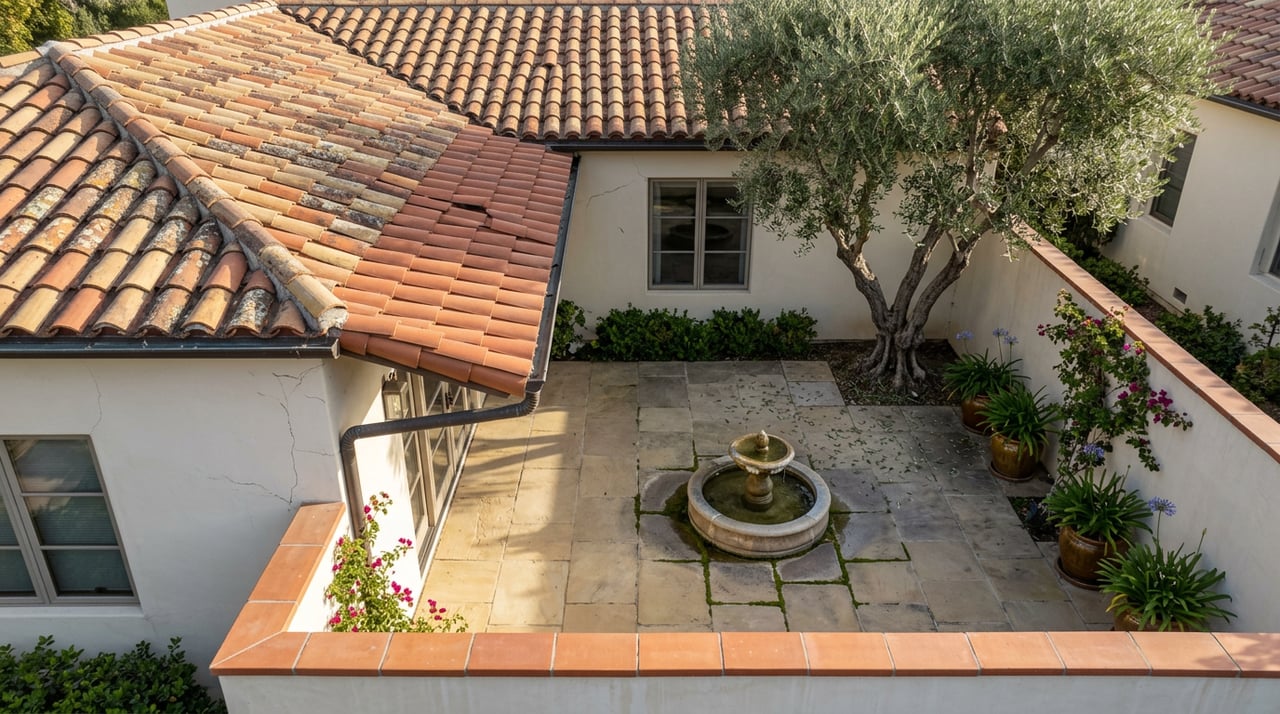
You’ll notice stucco walls, red clay tile roofs, arched openings, and decorative ironwork. Many include small or interior courtyards that set a private, romantic tone. Interiors often have plaster walls, tile accents, and beamed or plaster ceilings.
How it lives day to day
Rooms can be arranged around a courtyard or in a procession of spaces. The vibe is cozy and inward‑facing, with courtyards acting like outdoor living rooms. You get privacy and a strong sense of place.
Typical tradeoffs
Heavier walls make open‑plan conversions harder and more expensive. Tile roofs and stucco repairs can add to maintenance. Courtyard layouts sometimes limit flow between key spaces.
What to inspect
- Stucco condition, including hairline vs structural cracks
- Roof tile integrity and underlayment age
- Courtyard drainage and waterproofing at thresholds
- Ironwork corrosion and moisture at foundation near planters
Craftsman and bungalow basics
Hallmark features
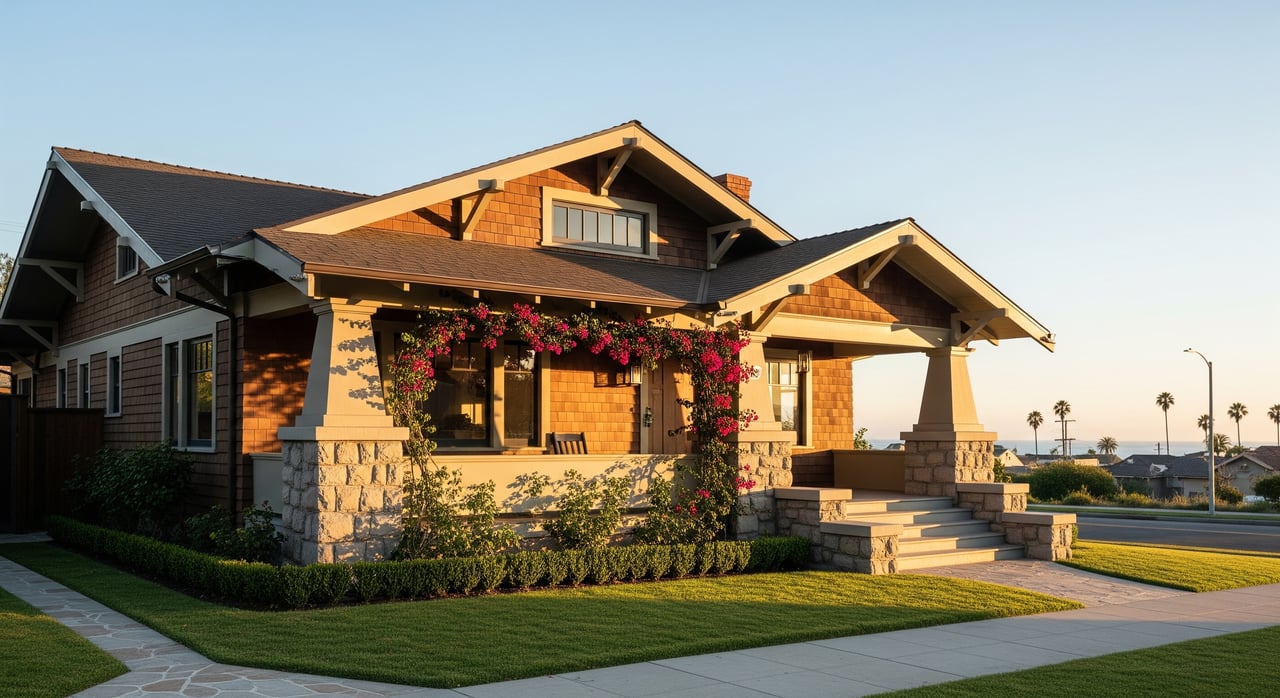
Expect low‑pitched gabled roofs, wide porches, and exposed rafters. Interiors shine with built‑ins, original wood trim, and hardwood floors. Layouts are compact, efficient, and human‑scaled.
How it lives
Rooms feel intimate and connected, with porches extending your living outdoors. Built‑ins pack in storage and charm. Kitchens and baths may be smaller, but many homes have respectful updates or room to rework.
Tradeoffs
You may face tighter rooms, modest ceiling heights, and limited storage. Some homes need kitchen and bath modernization. Early garages can be detached or undersized.
What to inspect
- Porch foundations and column bases for settlement and rot
- Original wood trim, siding, and built‑ins for wear and moisture
- Attic insulation and ventilation levels
- Chimney and fireplace condition
Mid‑Century Modern notes
Hallmark features
Look for flat or low‑pitched roofs, broad eaves, and large expanses of glass. Plans tend to be open with minimal ornamentation. Post‑and‑beam details connect the structure to the landscape.
How it lives
Open sightlines create an easy flow between living room, kitchen, and patio. Sliding doors bring in light and connect to gardens. Vaulted or clerestory ceilings amplify volume.
Tradeoffs
Flat roofs and large glass walls can challenge drainage, temperature control, and maintenance. Original systems may be undersized and ready for upgrades. Window replacements require care to keep original proportions.
What to inspect
- Flat or low‑slope roof drainage and membrane condition
- Sealed glazing, window frames, and hardware
- Exposed beams and post‑and‑beam connections
- HVAC integration and insulation strategy
Where styles cluster
Ocean Park and Sunset Park
You’ll find strong concentrations of early bungalows, Craftsman cottages, and smaller Spanish‑style houses. These areas were built early and retain many intimate, small‑scale homes. Expect varied lots and a mix of updates.
North of Montana and canyons
Wilshire‑Montana and North of Montana include larger Spanish Revival and Mediterranean homes, plus later Mid‑Century properties and remodels. Santa Monica Canyon and Rustic Canyon contain pockets of architect‑designed Mid‑Century houses that take advantage of topography and views.
Downtown and Mid‑City context
Near the Pier and Third Street Promenade, you’ll see 1920s apartment buildings, including Spanish/Mediterranean blocks, with single‑family pockets around the edges. Mid‑City areas blend modest bungalows with postwar homes.
Pico and mixed areas
The Pico neighborhood and parts of Mid‑City offer smaller lots and a wide mix of modest bungalows and postwar houses. Expect block‑by‑block variety and different eras side by side.
Note: For precise boundaries and historic resources, consult official City of Santa Monica materials and the Santa Monica Conservancy before making location‑sensitive decisions.
Renovation and permitting
Historic status and reviews
Santa Monica maintains a Historic Preservation program with a Landmarks and Historic Preservation Commission. If a home is landmarked or in a local historic district, exterior changes and significant alterations may require review and approvals. Properties within the coastal zone can also trigger additional coastal permits.
Zoning and ADUs
Local zoning, setbacks, and floor‑area rules will shape additions or second stories. State ADU allowances are broad, but you still must meet local development standards. Ask early about setbacks, lot coverage, and neighborhood compatibility requirements.
Systems first, character next
Prioritize structural and systems upgrades before cosmetic work. Seismic retrofits, roofs, electrical, plumbing, and insulation deliver safety and comfort gains. Then plan kitchen and bath updates that respect original circulation and details.
Comfort and energy upgrades
Older homes often need insulation, modern HVAC, and thoughtful glazing strategies. In Mid‑Century houses, window replacements should preserve sightlines. In Spanish or Craftsman homes, choose reversible interventions to protect original fabric.
Parking and mobility context
Many early homes predate car culture, so detached garages and limited off‑street parking are common. Near beaches and commercial areas, street parking may require resident permits. Weigh these tradeoffs against proximity to the Metro E Line terminus, bike lanes, and walkable amenities.
Quick buyer checklist
Ask before you offer
- Is the home a designated landmark or in a historic district?
- What seismic retrofits, if any, have been completed and permitted?
- When were the roof, electrical panel, plumbing, and HVAC last updated?
- Any known water intrusion, mold, or termite history?
- Were additions or conversions completed with permits?
Inspection must‑dos
- Foundations, structural integrity, and seismic needs
- Roof age and performance, including tile underlayment or flat‑roof membranes
- Electrical capacity and any knob‑and‑tube or cloth wiring
- Plumbing materials and evidence of leaks or corrosion
- Moisture risks in crawlspaces, bathrooms, and around courtyards
- Verification of permits for past work
Choosing your fit
If you want romance and private outdoor rooms, a Spanish Revival may feel right. If you love warm wood, built‑ins, and porches, a Craftsman or bungalow might be your match. If openness and glassy garden views call your name, go Mid‑Century Modern. The best choice balances style, daily flow, maintenance realities, and the permitting path you’re comfortable navigating.
Ready to tour homes that fit your taste and timeline? Reach out to the team that lives and breathes character houses. Connect with Jose Prats to see what’s coming soon and to schedule a showing.
FAQs
What defines Spanish Revival in Santa Monica?
- Stucco walls, red clay tile roofs, arched openings, and courtyards, with interiors featuring plaster, tilework, and beamed or plaster ceilings common to 1920s–1930s builds.
Are Craftsman bungalows usually small inside?
- Many have compact rooms, modest ceiling heights, and efficient layouts with built‑ins, though some have sensitive expansions or reworked kitchens and baths.
How do Mid‑Century roofs affect maintenance?
- Flat or low‑slope roofs need diligent drainage and membrane care, and large glass areas can require energy and weatherproofing upgrades.
How do historic designations affect remodels?
- Landmark or district properties may need review and approvals for exterior changes, and coastal zone projects can involve additional permits.
Where can I find character homes near the beach?
- Ocean Park and areas near Downtown include early bungalows and Spanish‑style houses, with North of Montana and nearby canyons hosting larger Spanish and Mid‑Century homes.
What permit questions should I ask a seller?
- Confirm any historic designation, seismic retrofits, and dates for roof, electrical, plumbing, and HVAC updates, plus permits for additions or conversions.