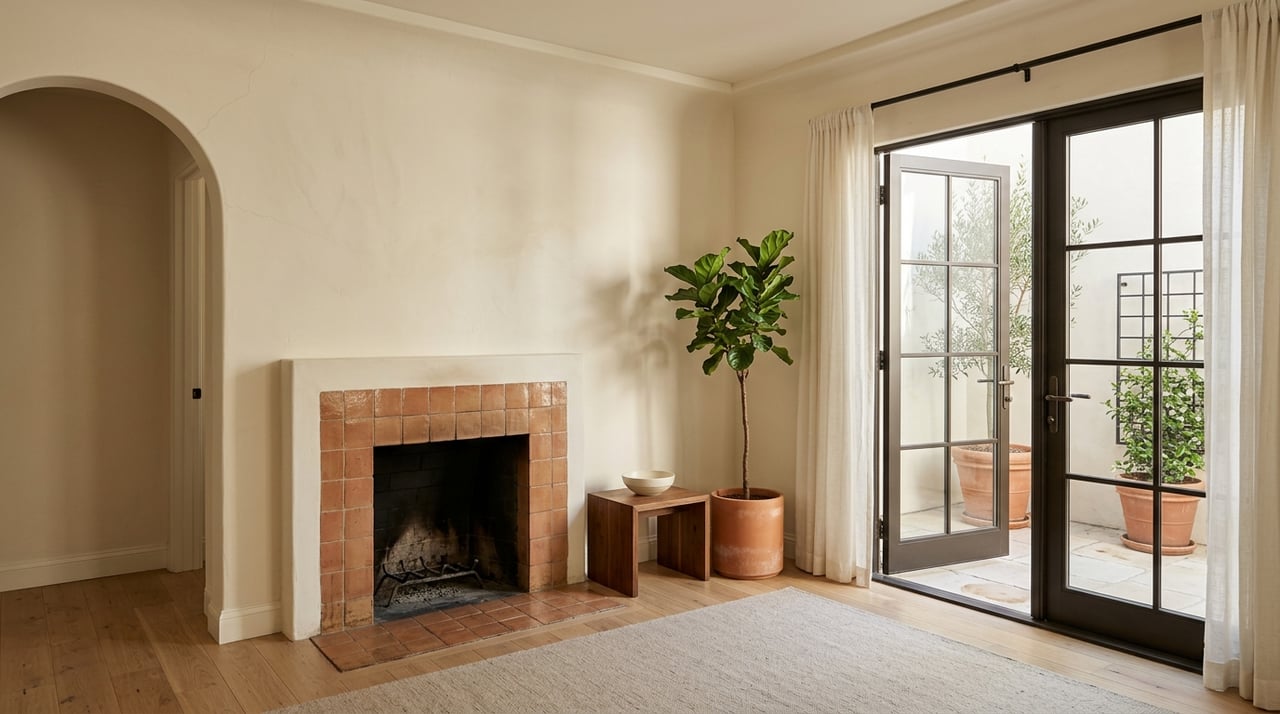
If you are planning to restore a Los Feliz character home, the biggest mistake is assuming every old house follows the same playbook. In this neighborhood, one property might be a Craftsman with original woodwork and a deep front porch, while another could be a Wrightian or Mayan Revival hillside home with concrete surfaces and horizontal window bands. If you want to protect the home's value and architectural story, you need a plan that fits the house in front of you. Let’s dive in.
Start With Style Identification
Before you price out windows, pick tile, or talk about a new kitchen, identify what the house actually is. Los Feliz has a varied architectural landscape, and that matters because the right restoration approach for one house may be wrong for another.
The neighborhood includes homes like the Charlotte and Robert Disney Bungalow, a 1914 Craftsman with original windows, shingle cladding, wide overhanging eaves, and a rough-hewn stone fireplace mantel. It also includes houses like the 1928 Samuel-Novarro Residence and landmark properties such as Hollyhock House, which reflect very different materials, forms, and design priorities.
That is why your first step is simple: figure out when the house was built, what style it represents, and which features are original versus later changes. Without that baseline, it is easy to spend money removing the very details that make the home special.
What to Look For First
As you evaluate the home, focus on visible clues that help define its architecture:
- Roof shape and materials
- Window type and layout
- Doors and entry details
- Porch or exterior stair design
- Wall finishes and siding
- Fireplaces, built-ins, and original trim
- Site placement and relationship to the lot
This early documentation phase can save you from costly guesswork later.
Protect Character-Defining Features
Once you understand the house, the next priority is protecting its character-defining features. According to the National Park Service preservation standards, historic character should be retained and preserved, and distinctive materials, finishes, and craftsmanship should be kept whenever possible.
In practical terms, that usually means you start with the parts of the house that carry the strongest architectural identity. Think original windows, doors, porches, entries, siding or stucco finishes, interior woodwork, built-ins, fireplaces, and rooflines.
In Los Feliz, real examples make this clear. The Disney Bungalow restoration carefully retained original windows, porch details, siding, eaves, woodwork, and fireplace mantel. At Hollyhock House, rehabilitation had to address major performance issues like water intrusion and seismic needs while still restoring important historic elements.
Replacement Should Be the Exception
If a feature can be repaired, that is often the better path than full replacement. When replacement is unavoidable, the National Park Service says the new material should match the old in design, color, texture, and visual qualities.
That does not mean your home has to stay frozen in time. It means updates should respect what gives the house its identity.
Solve the Big Problems First
Restoration gets more successful when you work in the right order. Cosmetic upgrades can wait. Water, structure, and building performance issues should not.
A sensible sequence for a Los Feliz restoration usually looks like this:
- Document the house and permit history
- Identify character-defining features
- Address water intrusion and structural concerns first
- Update major systems
- Plan kitchen and bath improvements that are compatible with the home
This order lines up with preservation standards and how historic-house projects are commonly reviewed and executed in Los Angeles. If you skip ahead to finishes before dealing with moisture or structural movement, you risk redoing expensive work later.
Prioritize These Early Repairs
If you are just starting, move these issues to the top of your list:
- Roof leaks or drainage failures
- Window and door air leakage
- Foundation or framing concerns
- Waterproofing needs
- Electrical, plumbing, and HVAC updates
Once those are under control, you can make better design decisions for the visible parts of the house.
Know Los Angeles Review Rules
One of the most important parts of planning a restoration in Los Feliz is understanding that historic review may apply even when a building permit is not required. That surprises many owners and buyers.
Before planning exterior work, verify the property's zoning and preservation status in ZIMAS. City guidance notes that exterior work in local historic districts, including landscaping and paint, can be subject to additional review. Work completed without review may lead to code enforcement action and related fines.
That makes early research essential, especially if you are changing visible exterior features.
What May Need Review
The City's preservation guidance distinguishes between different types of work. Some routine maintenance, repair, rehabilitation, and restoration may qualify for administrative clearance. Larger additions, demolition, or removal of historic features typically require fuller review and entitlement.
At the same time, LADBS handles plan review, permit issuance, and inspections for many projects. Depending on the scope, your work may need plan check and staged inspections before and during construction.
Research the Property Before You Design
The best restoration plans begin with research, not mood boards. In Los Angeles, you have several useful tools that can help you understand what you are working with before construction starts.
Start by checking SurveyLA and HistoricPlacesLA resources to see whether the property has been identified as a historic resource or sits within a preservation area. HistoricPlacesLA contains more than 58,000 mapped historic places and can give useful context for the home and its surroundings.
Then confirm parcel-specific details in ZIMAS and review building records through LADBS. Permit history can help you understand what changes were previously approved, which can be especially helpful when you are trying to separate original features from later remodel work.
Your Pre-Project Checklist
Before you hire out a full restoration scope, gather:
- Original construction date, if available
- Architectural style or likely style family
- Preservation or district status
- Permit history
- A room-by-room and exterior photo record
- A list of original features still in place
This gives you and your team a much better starting point.
Plan Smart Updates for Daily Living
Most people restoring a Los Feliz character home are not creating a museum. You want a house that works for daily life while preserving what makes it memorable.
The National Park Service notes that energy improvements can be appropriate when they do not diminish historic character or endanger historic materials. Common measures include reducing air leakage around windows and doors and insulating attics and walls.
That is a useful framework for owners who want comfort without stripping out original fabric. In many cases, rehabilitation is a more balanced approach than total replacement.
Think Compatibility and Reversibility
When updating kitchens, baths, or systems, try to make choices that feel compatible with the architecture. Reversible updates can also be valuable, especially in houses with strong original detailing.
That might mean preserving original windows and improving performance around them rather than replacing them outright. It can also mean letting original trim, built-ins, or fireplace surrounds remain the visual anchor while newer functions are integrated more quietly.
Look Into Incentives and Code Flexibility
Depending on the property's status, restoration may come with useful incentives. The City notes that qualifying historic properties may use the California Historical Building Code, which can offer code flexibility for preservation work.
There may also be financial benefits. According to the City's historic preservation incentives and resources page, the Mills Act can provide a property tax reduction for Historic-Cultural Monuments and contributing properties in HPOZs.
These benefits are not automatic for every home, but they are worth investigating early. They can shape your budget, timeline, and restoration strategy.
Why Restoration Planning Matters in Los Feliz
In a neighborhood as architecturally layered as Los Feliz, restoration is not just a construction project. It is a decision about how to carry a home's design language forward.
When you identify the style early, protect character-defining features, research review requirements, and phase work in the right order, you give yourself a better chance of creating a home that feels both livable and authentic. That is often where the best results happen: not in making an old house feel brand new, but in making it feel thoughtfully cared for.
If you are exploring a Los Feliz restoration project or looking for a character home with the right potential, Character Homes can help you evaluate the architectural details, research path, and renovation considerations before you make your next move.
FAQs
What should you do first when planning a Los Feliz character home restoration?
- Start by identifying the home's architectural style, approximate construction period, and which features are original versus later alterations.
Which features matter most in a Los Feliz historic home restoration?
- Focus first on character-defining features such as original windows, doors, porches, rooflines, wall finishes, woodwork, built-ins, and fireplaces.
Do Los Feliz restoration projects need historic review?
- They can. In Los Angeles, some exterior work may require historic review even when a building permit is not required, so check parcel status in ZIMAS before planning work.
Where can you research a Los Feliz property's historic status?
- Useful tools include ZIMAS, SurveyLA, HistoricPlacesLA, LADBS building records, and LA Conservancy resources.
Can you improve energy efficiency in a Los Feliz character home?
- Yes, if the work does not diminish historic character or damage historic materials. Common measures include reducing air leakage and adding insulation in appropriate areas.
Are there incentives for restoring a historic Los Angeles home?
- Possibly. Qualifying properties may be eligible for the California Historical Building Code and, in some cases, Mills Act property tax benefits.