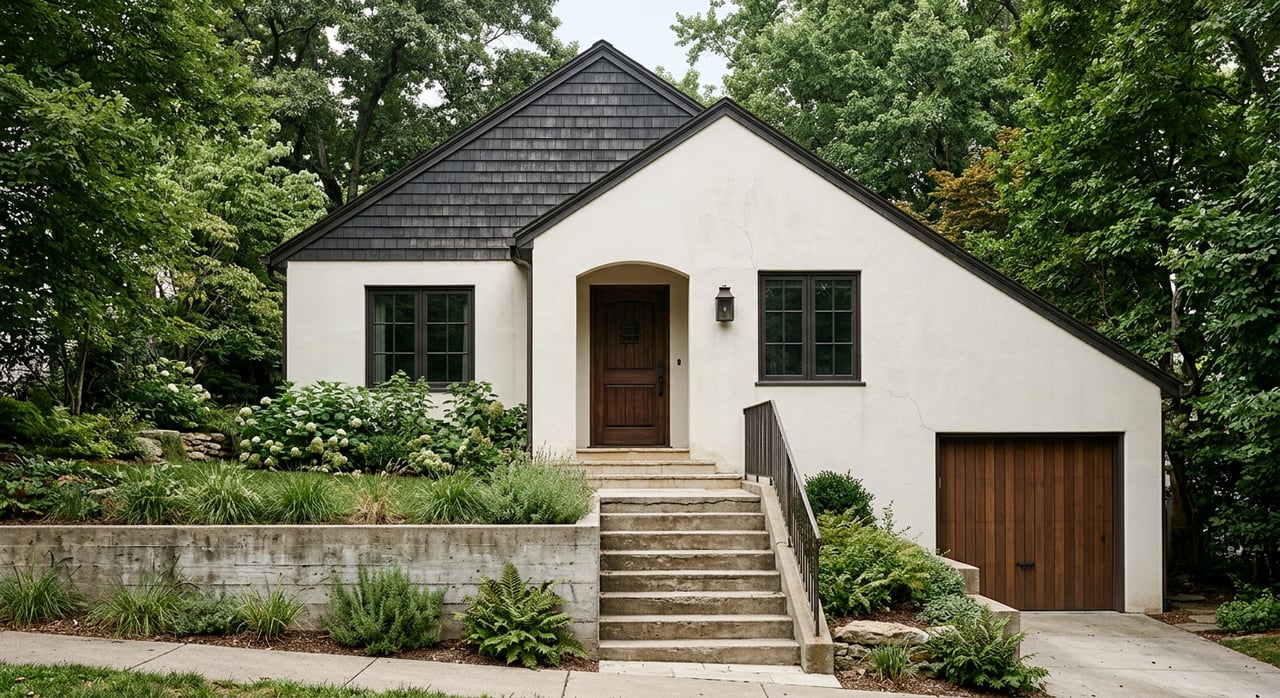
Pricing a Silver Lake character home is both art and data. Two houses with the same square footage can sell very differently a few blocks apart. If you are trying to set a price or understand what you can afford, you want a clear read on what really drives premiums here. In this guide, you will learn which features buyers pay up for, how renovated vs. original homes perform, and the steps to price your home with confidence. Let’s dive in.
What “character homes” mean in Silver Lake
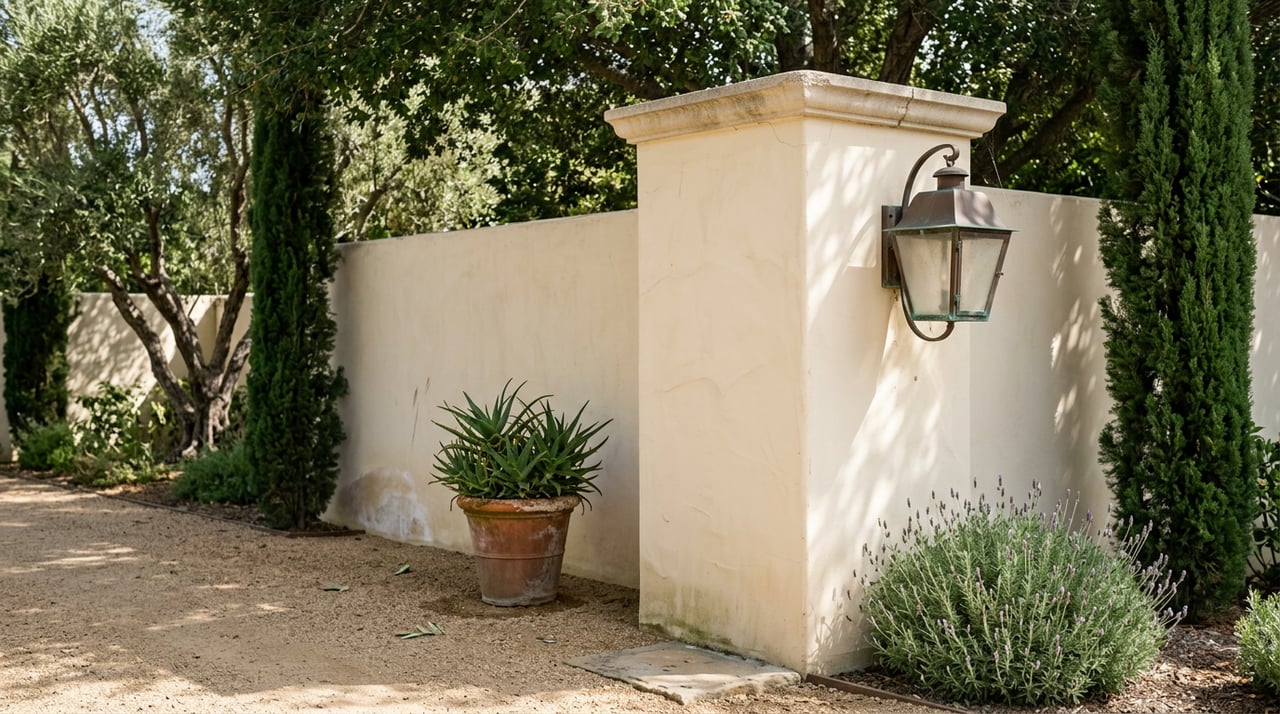
Silver Lake is known for period charm and design pedigree. You see a rich mix of Spanish and Mediterranean facades from the 1920s–1930s, Craftsman details, and a strong thread of Mid-Century Modern and later hillside modernism. Historic surveys document concentrated pockets of Period Revival and Mid-Century architecture in the Silver Lake and Echo Park area, which helps explain why some blocks trade at a premium. You can explore that context in the SurveyLA community report that profiles these styles and their local patterns of significance (SurveyLA overview for Silver Lake–Echo Park–Elysian Valley).
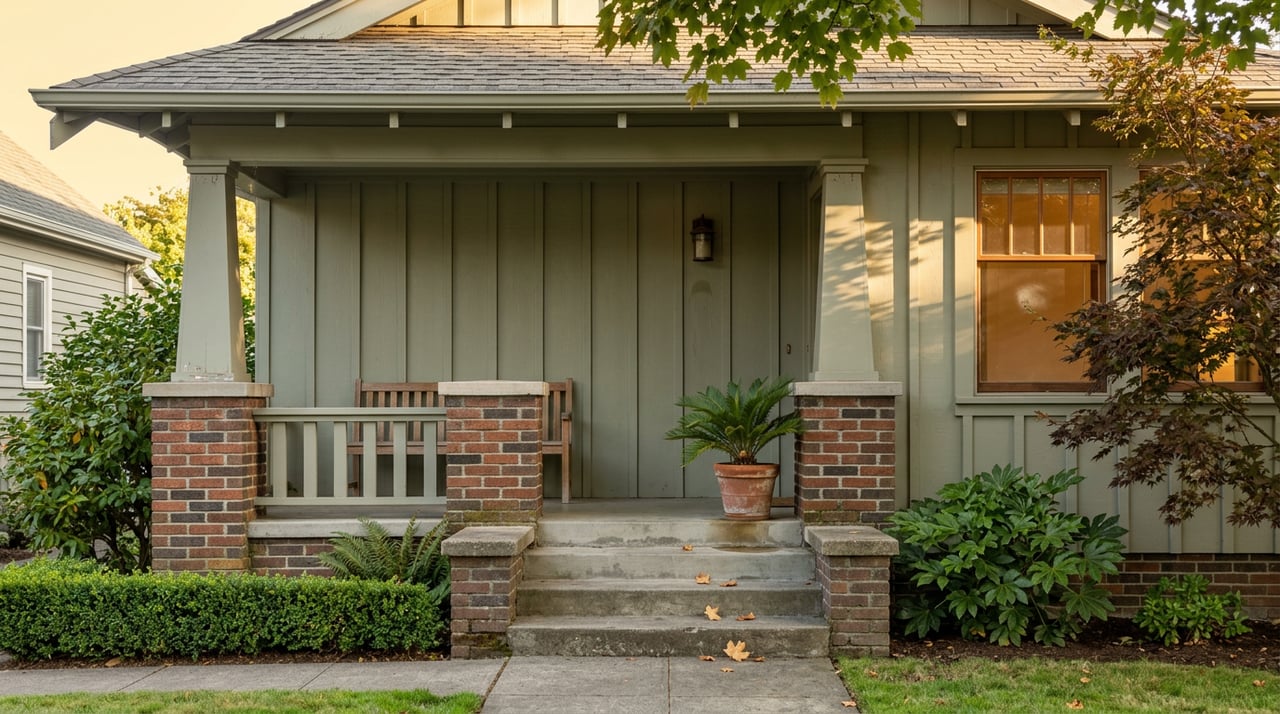
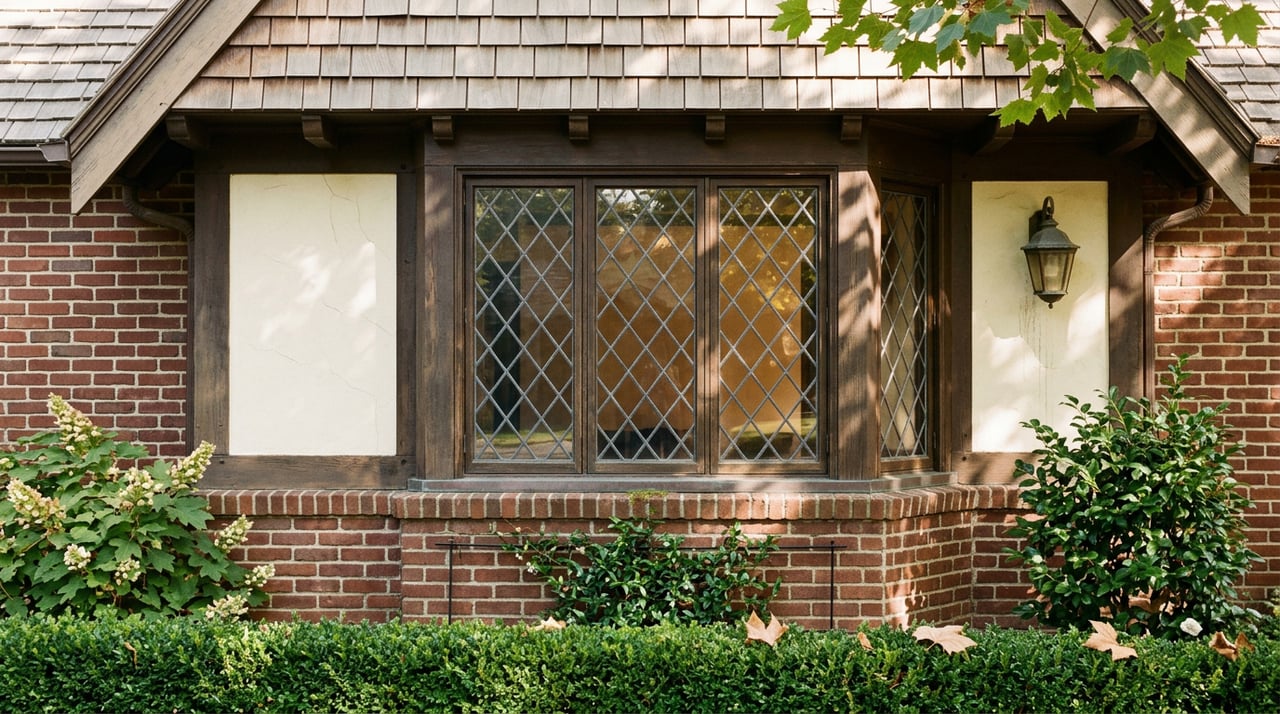
When people say “character,” they often mean original plaster and trim, hardwood floors, built-ins, period tile, arched openings, and intact street-facing facades. Those details not only photograph well. They also influence appraisals when stacked against local comps with similar authenticity.
Silver Lake also hosts architecturally important properties. Richard Neutra’s VDL Studio and other noted modernist houses give the neighborhood cultural cachet that attracts architecture-savvy buyers (celebrate modernism in Los Angeles). When a home has documented provenance, that story can be a real lever in pricing.
The 2026 market snapshot
Recent neighborhood feeds show a median sale price around 1.42 million for Silver Lake with a median days on market near 44 days. A sale-to-list ratio just over 100 percent in recent months signals that select homes still draw competitive offers. Other platforms that track the area show different figures in the same late-winter window. Automated value indices land closer to the low 1.4 million range, while active listing medians can sit higher, near the mid 1.7s. That spread is normal because each provider measures different things, like closed sales vs. active asks, and mixes housing types differently.
Zooming out, metro Los Angeles trends have been broadly stabilizing. Recent market commentary showed LA roughly flat to modestly positive year over year heading into late 2025, which tempers runaway appreciation at the neighborhood level. Local pricing in Silver Lake still swings with mortgage rates, seasonal demand, and tight inventory, so expect micro shifts within this premium pocket even when the metro picture is steady (recent LA metro context).
Bottom line: Silver Lake sits in the low-to-mid seven figures on average, but to price your home well you must anchor to block-level comps and recent closed sales, not broad neighborhood medians.
What drives premiums right now
Micro-location: blocks and views
In Silver Lake, small shifts in street and slope change value. Reservoir adjacency, the Moreno Highlands ridge, and hillside vantage points can push prices to the top of the band. Walking access to Sunset Junction and the Sunset Triangle adds draw for many buyers. Use hyper-local comps and note view exposure when you set price per square foot.
Architectural authenticity and provenance
Documented pedigree matters. Homes with a known architect, sensitive restorations, awards, or a recognized historic grouping often command more attention and pricing power. Academic research on historic designation has found positive value effects in many U.S. cities, though the magnitude varies by context and designation type. Treat this as supportive evidence and price locally using comps rather than applying a generic premium (historic designation study overview).
Condition and quality of updates
Buyers here pay up for move-in-ready interiors that respect original details. Targeted updates, like a minor kitchen refresh, bath improvements, new paint, and strong curb appeal, often deliver attractive resale payback according to remodeling ROI benchmarks. Larger bespoke additions and major modernizations are higher risk and have more variable returns. If you plan pre-sale work, favor scope that enhances daily function while preserving character (2025 Cost vs. Value summary).
Permits and disclosure readiness
Unpermitted additions, garage conversions, and older electrical or structural work are common in character neighborhoods. They also affect financing and appraisals. Sellers must disclose known unpermitted work in California. Buyers and lenders frequently verify permit histories before closing. Before you price, pull the property’s records through the City’s online portal and address open issues if your target buyer will use conventional financing (LADBS Online Building Records). If there are open Orders to Comply or unresolved violations, your buyer pool shrinks and you will likely face price adjustments or longer time on market (LADBS code enforcement).
Lot, outdoor space, and usable flat area
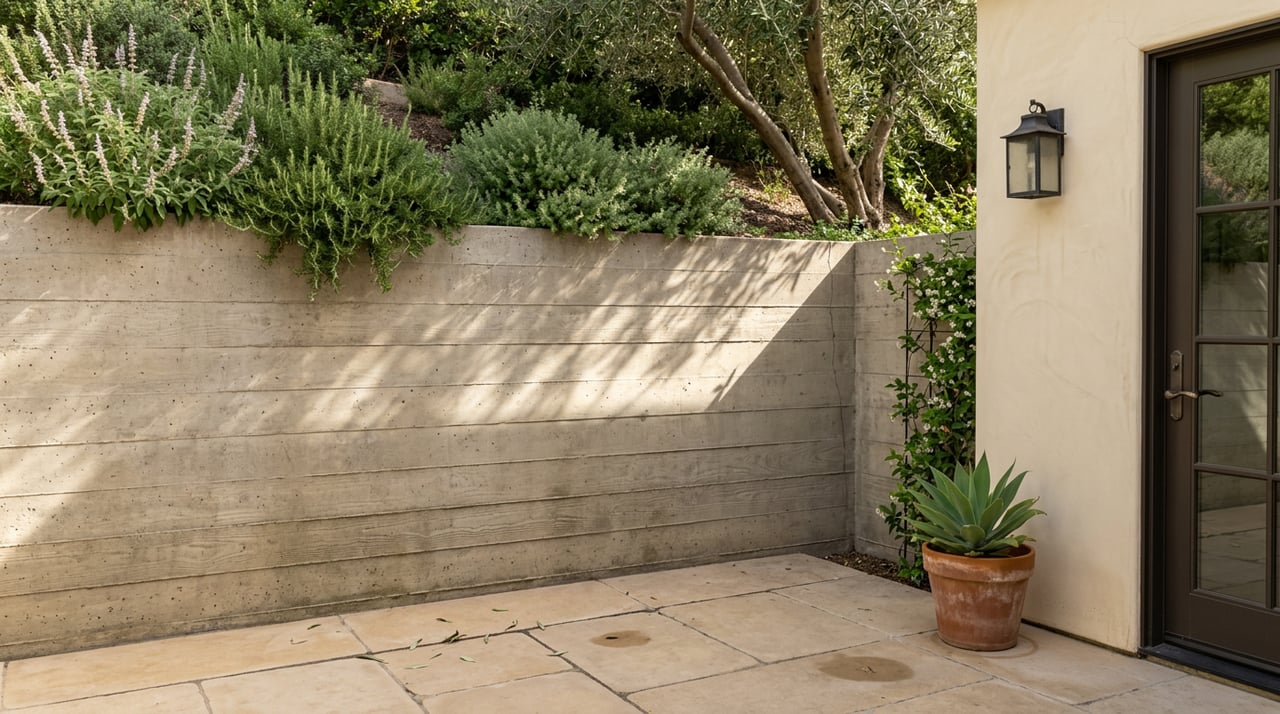
Usable outdoor areas, patios, terraces, and off-street parking can boost marketability as much as interior square footage. On hillside lots, a flat yard or well-built terraces often drive stronger per-square-foot results than an awkward extra interior room.
ADUs and legitimate income potential
A legally permitted ADU can broaden your buyer pool by appealing to owner-occupants who value flexibility and potential income. Always verify permits and utility setup so you can market this correctly. Unpermitted units create risk and can limit financing. Confirm status early with the City’s records before assigning value (LADBS records).
Renovated vs. original: how buyers respond
The turnkey advantage
In design-forward LA neighborhoods, buyers often prefer move-in-ready homes that honor the architecture. That shows up in faster sales and stronger offers when the design and execution align. Remodeling benchmarks back a strategy of selective midrange updates before listing, especially kitchen and exterior work, because they can recover a high share of cost on resale (Cost vs. Value summary).
The niche for untouched originals
There is also a smaller but motivated group of buyers and architects who prize authentic, unrestored examples with intact materials. If a home has documented architectural provenance, that authenticity can outshine a generic renovation. Think of named-architect properties, from Neutra to Schindler, where original details and documentation can generate outsized attention and results (modernist landmarks context). For non-notable homes that are simply tired, expect slower movement and lower pricing unless you market to project-focused buyers and price accordingly.
Financing and appraisal realities
Appraisers focus on comparable closed sales and permitted improvements. Major unpermitted work can derail conventional loans, which narrows your buyer pool and usually forces a discount or a cash-only approach. If your goal is a broad retail audience, it often pays to resolve key permit issues in advance or price as-is with full transparency. Use the City’s site to check for open violations or order histories so you can calibrate your strategy (LADBS code enforcement).
A pricing framework for sellers
Use these steps to set a confident price and reduce surprises:
- Pull hyper-local comps
- Start with closed sales on your block and the immediate blocks around you. Note view orientation, lot usability, and walkability. Treat neighborhood medians as background, not pricing anchors.
- Verify permits and documentation
- Run an early search for permits and any open Orders to Comply using the City’s portal. Gather plans, permits, finaled inspections, and any ADU approvals so buyers and lenders have a clean file (LADBS Online Building Records).
- Consider a pre-listing inspection
- A third-party inspection can surface issues that buyers would otherwise use to negotiate. Fixing safety and major system items ahead of time supports your ask and speeds escrow.
- Choose targeted improvements
- If budget allows, focus on high-probability updates: a minor kitchen refresh, bath touch-ups, paint, and curb appeal. Preserve original character wherever possible to keep your buyer pool engaged (2025 Cost vs. Value summary).
- Clarify ADU and bonus space status
- Confirm if any garage conversions, studios, or guest spaces are permitted. If not, discuss whether to legalize, remove, or market transparently as non-conforming with your pricing strategy.
- Elevate provenance and story
- If the home has architect ties, historic grouping, or intact period materials, present that narrative clearly. Cite sources like SurveyLA to frame significance for buyers (SurveyLA overview).
- Set list price and strategy
- Weigh three factors: the comp band for your micro-location, the condition-adjusted premium or discount, and any proven buyer broadening features like a permitted ADU or parking. Consider a pricing window that encourages early activity if the comp set shows quick absorption for your segment.
- Watch timing and macro signals
- If rates dip and inventory tightens, lean into an earlier launch. In a steadier or rate-sensitive week, favor pre-market preparation and buyer previewing to build momentum. Recent LA metro data points to a stabilizing backdrop, with Silver Lake still operating as a premium micro-market within it (LA metro context).
Quick seller checklist
- Gather permit history, plans, and any ADU approvals.
- Complete a pre-listing inspection and address safety items.
- Budget for selective updates that protect original details.
- Style and stage with soft, design-forward touches that let architecture lead.
- Photograph and film at the right light times to showcase texture and landscape.
- Highlight proximity to the Reservoir, terraces, and walkable amenities where accurate.
- Price from block-level comps and adjust for view, lot, and authenticity.
- Disclose all known unpermitted work and share City records up front.
How two similar homes diverge in price
Consider two Spanish homes with similar footprints on nearby streets. One sits on a gentle hillside with a city-lights view, has a minor kitchen refresh that preserved the original archways and built-ins, and includes a permitted ADU above a garage. The other has a flat lot with limited outdoor privacy, a full but generic remodel that erased key details, and a non-permitted studio. On paper they look close. In practice, the first home attracts a broader buyer pool, clears financing hurdles faster, and can justify a higher per-square-foot price due to view, authentic presentation, and legal flexibility. The second can still sell well with transparent pricing and the right marketing, but it will likely trade lower and slower.
If you are ready to price or prepare your Silver Lake character home, we can help you translate its story and features into a strategy that meets the market with confidence. Explore current opportunities and connect with us at Character Homes.
FAQs
What defines a “character home” in Silver Lake?
- In Silver Lake, character homes commonly include Spanish, Mediterranean, Craftsman, and Mid-Century properties with original details like plaster, built-ins, period tile, arches, and intact facades, as documented in local historic surveys (SurveyLA overview).
How are renovated vs. original homes priced today?
- Well-executed, move-in-ready updates that respect original details often sell faster and at stronger prices, while untouched but authentic homes with documented provenance can outperform in a niche segment if marketed to the right buyers.
Do architect-designed homes get a premium in Silver Lake?
- Documented architect pedigree or recognized historic context can support higher pricing, though the size of any premium varies by property and comps; cite sources and authenticity in marketing to attract the right buyer subset (modernism in LA; designation study).
How do permits affect value and financing?
- Verified permits and clear records widen the buyer pool and support appraisals, while unpermitted work or open violations can limit financing and often require price adjustments or cash buyers (LADBS records; code enforcement).
What is the current price range for Silver Lake homes?
- Neighborhood feeds in early 2026 place the median sale price around the low 1.4 millions, with days on market near the mid-40s. Always price from very recent, block-level comps because provider methods and housing mixes can vary.
Which pre-sale projects deliver the best ROI here?
- Targeted improvements like a minor kitchen refresh, bath updates, paint, and curb appeal tend to offer better resale payback than large structural overhauls, especially when original character is preserved (2025 Cost vs. Value summary).