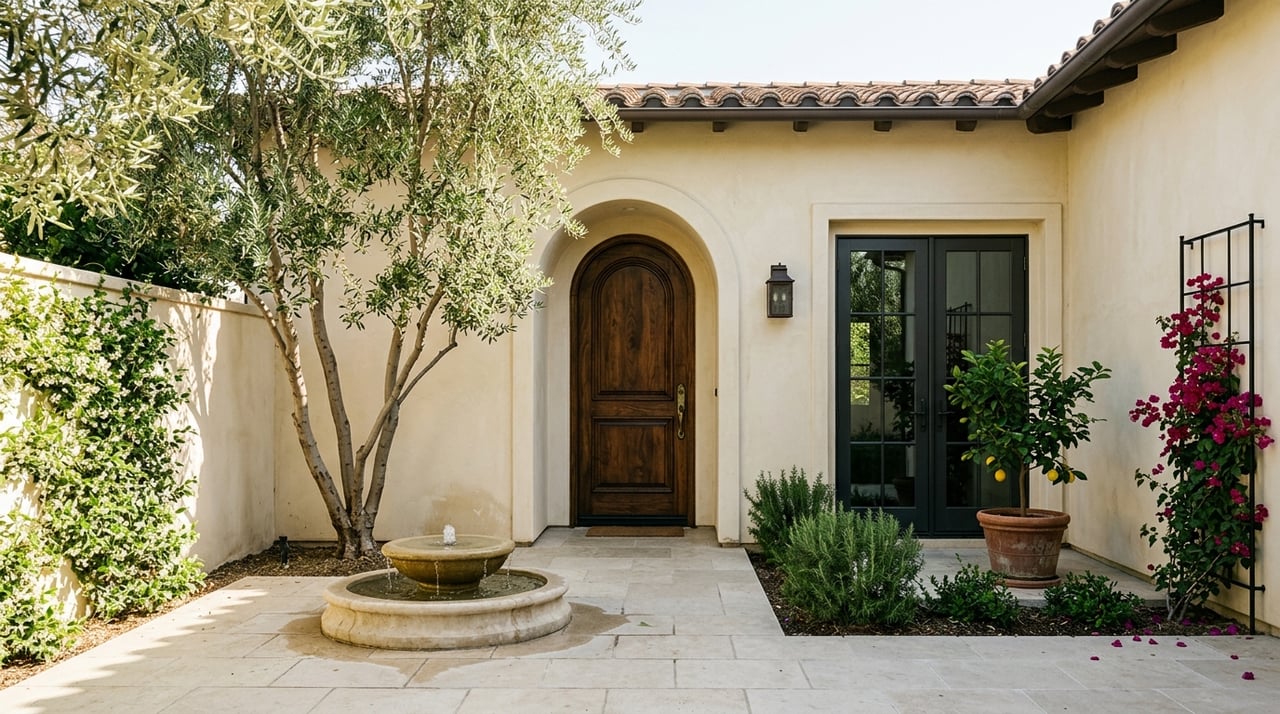
Have you ever walked past an older Santa Monica home and felt like it carried a story before you even reached the front gate? If you are drawn to original details, sun-warmed facades, and neighborhoods that feel lived-in rather than generic, a Santa Monica character home offers more than square footage. It offers a daily rhythm shaped by architecture, ocean air, walkable streets, and local destinations woven into everyday life. Let’s dive in.
Character Homes Feel Rooted
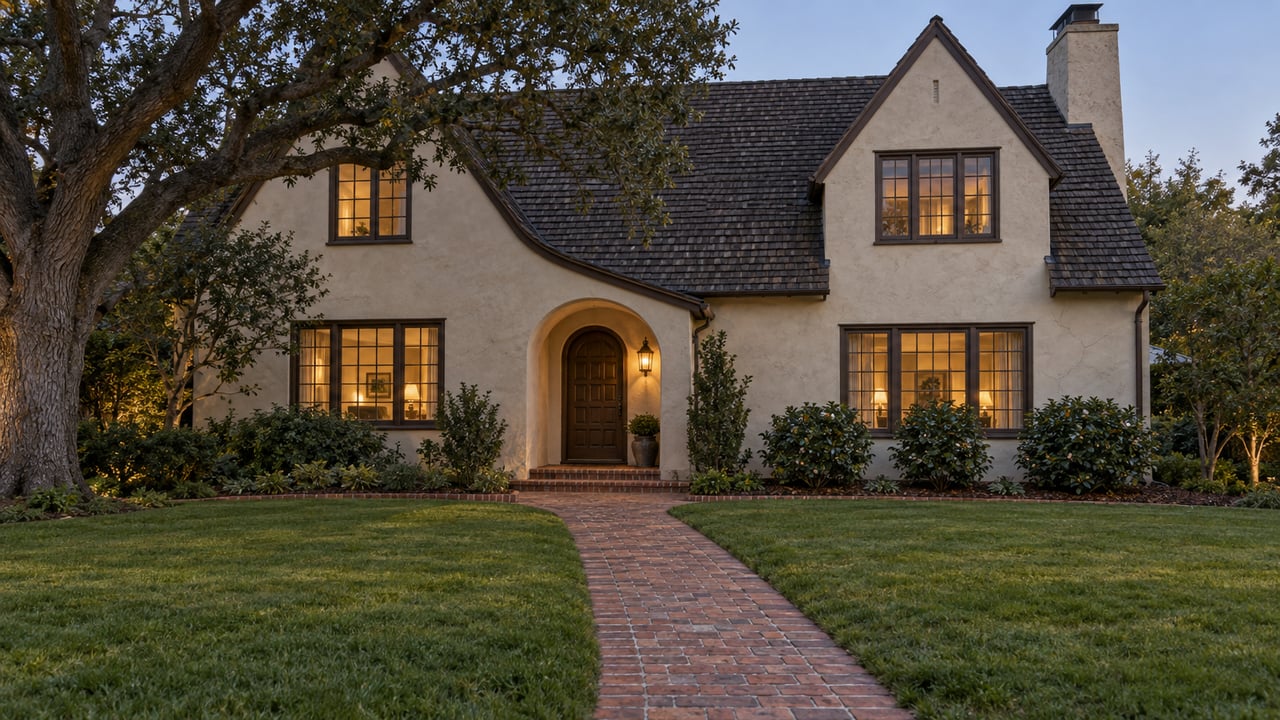
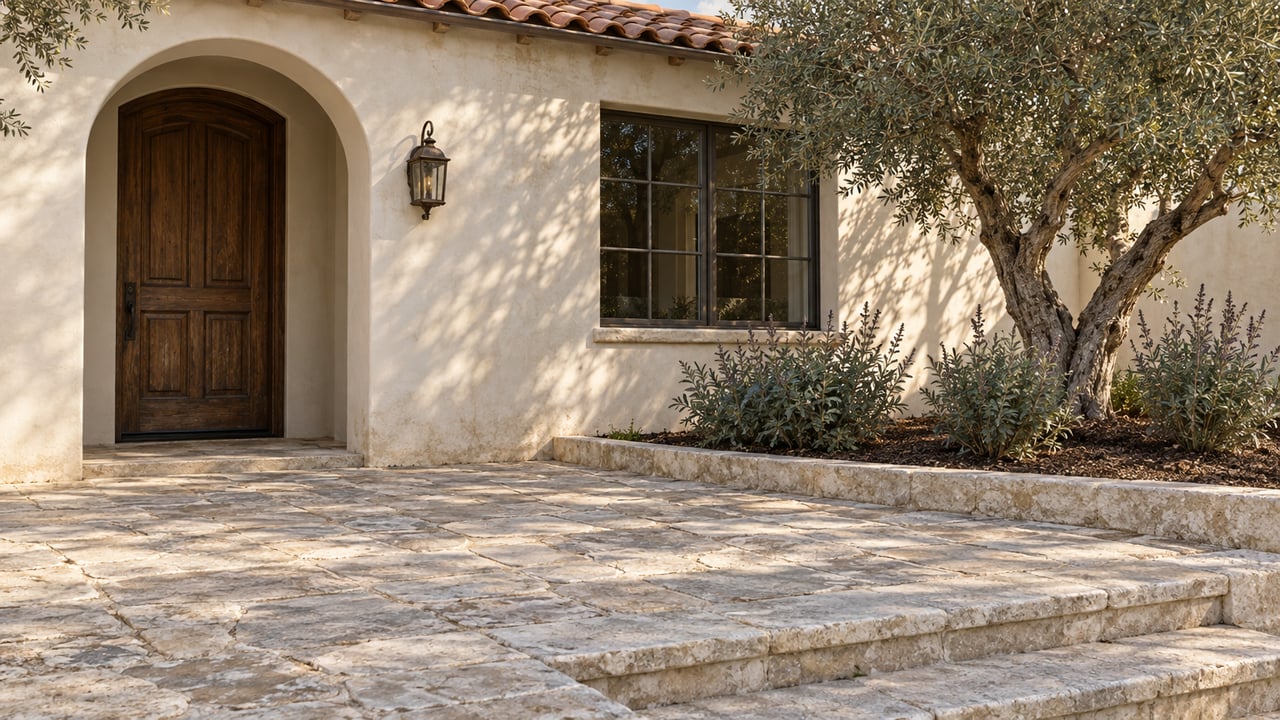
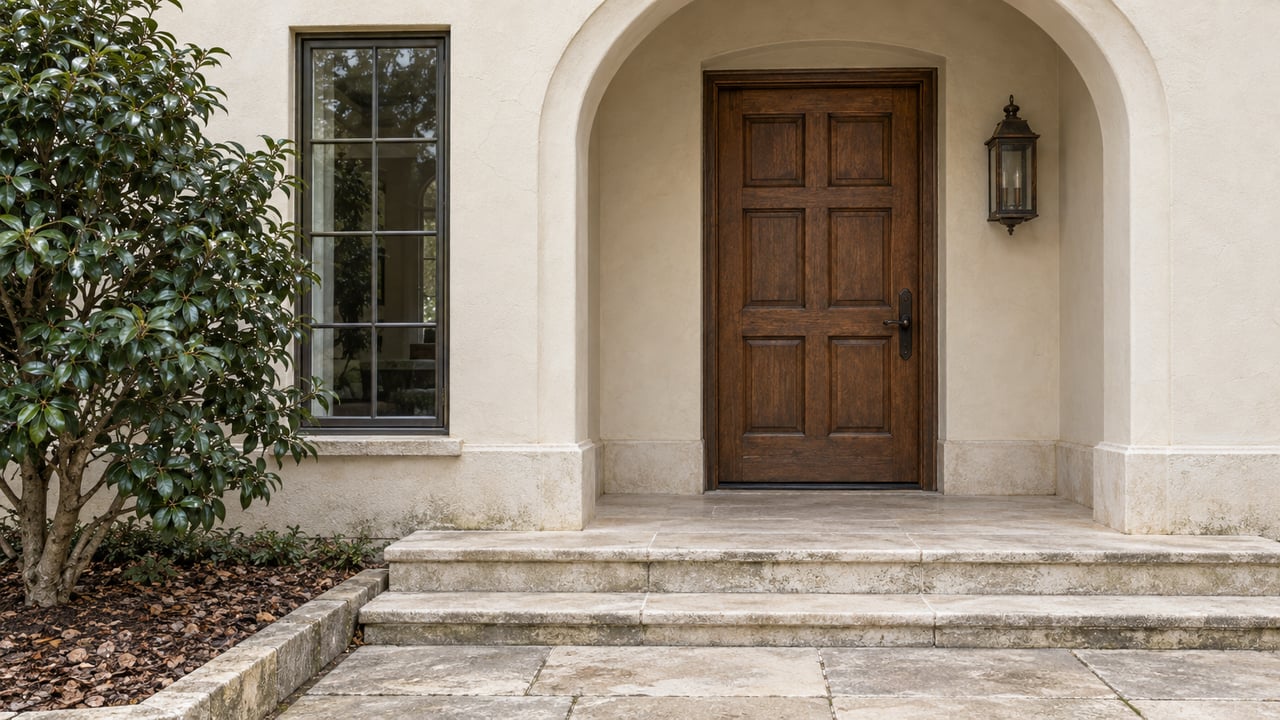
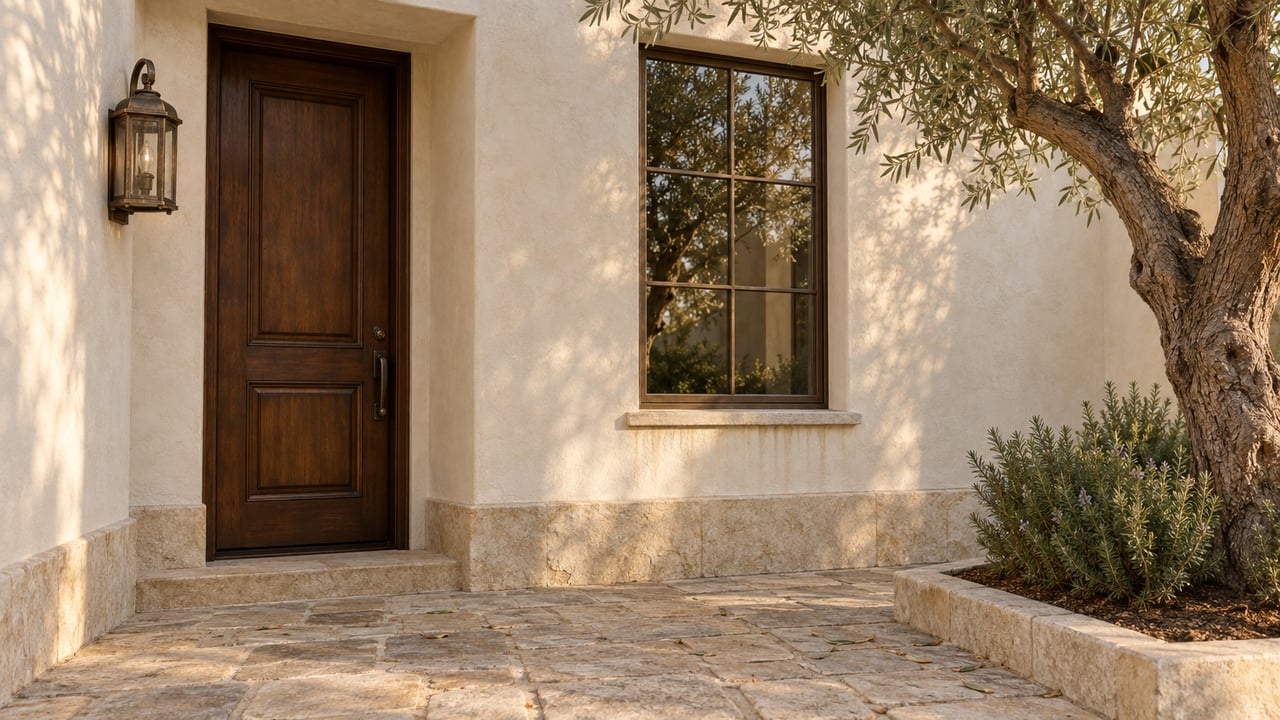
Owning a Santa Monica character home often feels different from owning a newer, more standardized property because the house tends to have a clear identity. Santa Monica’s historic preservation materials point to beach cottages, Craftsman bungalows, bungalow courts, and Period Revival styles such as Craftsman, Spanish Colonial Revival, and Mission Revival as part of the city’s early residential fabric. That architectural mix gives many older homes a sense of detail and proportion that stands out right away.
In practical terms, that can mean original porches or entries, modest scale, visible craftsmanship, and a stronger connection between the house and the street. In at least one surveyed district, the city notes features like uniform setbacks, detached rear garages, porte-cocheres, and mature landscaping. Together, those elements can make a block feel softer, leafier, and more cohesive.
For you as a homeowner, that often translates into a feeling that the home is part of a bigger visual story. The facade, the path to the front door, the way the light hits older windows, and the layering of trees and gardens all contribute to the experience. It is less about a single flashy feature and more about how the home holds its character over time.
Santa Monica Adds a Coastal Layer
Part of the feeling of owning a character home here comes from the setting itself. Santa Monica’s NOAA climate normals show an annual mean temperature of 60.5°F, with monthly means ranging from 55.8°F in January to 66.0°F in August. The city also averages 12.17 inches of annual precipitation and no snowfall.
That mild climate shapes the way a home lives day to day. Open windows, cross-breezes, natural light, and easy movement between indoors and outdoors can become part of your normal routine for much of the year. Santa Monica’s own planning language describes tree-lined streets, a temperate climate, ocean breezes, sandy beaches, and vegetated hillsides, which helps explain why the city often feels bright, airy, and relaxed.
In a character home, those conditions can feel especially natural. Older homes often seem to reveal the climate rather than shut it out. Morning light through divided windows, cooler coastal air in the afternoon, and a front porch or garden that actually gets used are all part of the appeal.
Daily Life Extends Beyond the House
A Santa Monica character home does not exist in isolation. The city operates 32 parks totaling more than 130 acres, and the beach itself is a 245-acre, three-mile stretch with a bicycle and pedestrian path. That means your daily environment is shaped not just by your own rooms and yard, but also by the public spaces around you.
This can change how home feels. A quick walk to green space, time along the shoreline, or an easy bike ride can become part of an ordinary weekday, not just a weekend plan. The nearby presence of parks, beach access, and open-air public space gives many homes a lifestyle quality that is hard to separate from the property itself.
Santa Monica also offers recognizable outdoor and cultural anchors that add texture to everyday living. Places like Palisades Park, the Santa Monica Pier, the Annenberg Community Beach House, Bergamot Station, and Miles Memorial Playhouse give the city a layered feel. You are not just living near the coast. You are living in a compact city with public places that are actively used and easy to return to.
Walking Changes the Rhythm
One of the strongest differences in Santa Monica is how often life can happen on foot. The city’s Pedestrian Action Plan says walking is a core part of Santa Monica’s identity and character, and the city reports that more than half of residents walk and bike daily. That is not a small detail. It affects the pace and feel of your week.
Owning a character home in a place where walking matters can make the home feel more connected to your surroundings. You may start to notice your route to coffee, your preferred park loop, the tree cover on certain blocks, or which errands feel easier by foot than by car. The city’s Walk Loop Project, with one-mile neighborhood loops along sidewalks, shops, and park amenities, reinforces that kind of routine.
Santa Monica’s small footprint also shapes this experience. The city covers 8.3 square miles and has about 93,000 residents, with the daytime population growing to about 250,000. So while residential streets can feel intimate, the city as a whole still carries real daily energy.
Biking Becomes Part of Everyday Use
Santa Monica also supports a strong bike culture. The city says bicycling is one of the best ways to get around, and by 2022, 119 miles of the Bike Action Plan’s 187 miles of bikeways had been built. For many residents, that changes how short trips work.
If you own a character home here, the bike is not just recreational. It can be part of the practical rhythm of daily life, whether you are heading toward the beach, a commercial corridor, or another neighborhood destination. The Ocean Avenue Project, for example, creates a continuous protected bikeway from Downtown Santa Monica Metro station to the beach while also expanding sidewalk space.
That matters because it reinforces a more flexible way of living in the city. Your house can feel like a launch point into a network of streets and destinations, not just a place you return to after a long drive. In Santa Monica, mobility can feel local, direct, and human-scaled.
Local Corridors Give Life Texture
The feeling of owning a character home is also tied to the places you return to again and again. In Santa Monica, Main Street and Montana Avenue help define that part of the experience. Visit Santa Monica describes Main Street as two blocks from the beach, with locals walking dogs, getting coffee, and browsing shops and galleries.
Montana Avenue adds a different but equally useful layer. It is described as a tree-lined street with more than 150 restaurants and retailers, along with cafes, bakeries, and bistros. These are the kinds of corridors that can make simple errands feel more enjoyable and less transactional.
Downtown Santa Monica adds another dimension through the Third Street Promenade, a pedestrian-only esplanade that Downtown Santa Monica notes has been pedestrian-only since 1965. For you, that means the city offers both neighborhood-scale routines and a more urban pedestrian core. A character home here can feel quiet and residential at one moment, then connected to a more active commercial setting a short trip later.
The Atmosphere Feels Lived-In
There is also a social quality to Santa Monica that shapes what home feels like. Because the population rises significantly during the day, the city tends to feel active and used rather than tucked away or isolated. That energy can be a big part of the appeal if you want a home in a place with visible public life.
At the same time, many older residential blocks still retain a softer scale because of their setbacks, mature trees, and preserved housing types. That mix is part of what makes Santa Monica distinctive. You can have a home with warmth, age, and detail while still living in a city with strong daytime movement and access to the coast.
For many buyers, that balance is the real draw. A Santa Monica character home can feel personal and expressive without feeling disconnected from the city around it. The experience is shaped as much by the walk to the corner, the afternoon breeze, and the nearby public spaces as it is by the architecture itself.
Why Character Buyers Notice the Difference
If you are already drawn to older homes, Santa Monica tends to reward that attention. The city’s preservation record shows that its architectural history is not accidental or forgotten. It is recognized, documented, and still visible in many streetscapes and landmarks.
That gives character homes here a certain clarity. They are not appealing just because they are old. They are appealing because they sit within a city that values its cultural and architectural history while offering a climate and street network that support a more connected lifestyle.
In other words, owning one often feels immersive. You are not just buying a style. You are stepping into a way of living where architecture, weather, mobility, beach access, and neighborhood corridors all work together.
If you are exploring Santa Monica through the lens of architecture and lifestyle, working with a team that understands character homes can help you see the difference in the details. When you are ready to explore distinctive homes with a more curated eye, connect with Character Homes.
FAQs
What counts as a character home in Santa Monica?
- Santa Monica preservation sources identify beach cottages, Craftsman bungalows, bungalow courts, and Period Revival homes such as Craftsman, Spanish Colonial Revival, and Mission Revival as part of the city’s early residential fabric.
How does Santa Monica’s climate affect daily life at home?
- Santa Monica’s mild temperatures, limited annual rainfall, and ocean-influenced conditions support open windows, natural light, cross-breezes, and outdoor use for much of the year.
Is Santa Monica really walkable for daily errands?
- Yes. Santa Monica says walking is a core part of the city’s identity, and the city reports that more than half of residents walk and bike daily.
Why do Santa Monica character homes feel different from newer homes?
- Many older homes have visible architectural detail, modest scale, original entries or porches, and sit on blocks shaped by mature landscaping, setbacks, and preserved streetscape patterns.
What nearby places shape the Santa Monica character-home lifestyle?
- The experience is strongly influenced by the beach, parks, walking routes, bike facilities, and destination corridors such as Main Street, Montana Avenue, Ocean Avenue, and Downtown Santa Monica.
Does Santa Monica feel quiet or active day to day?
- It often feels both. Residential streets can feel intimate, while the city overall stays active because its roughly 93,000-resident base grows to about 250,000 during the day.