Dreaming of morning light pouring over the reservoir and a home that steps gracefully down a slope? Buying a hillside home in Silver Lake can deliver architecture, views, and privacy that feel cinematic. At the same time, it comes with unique rules, engineering, and day‑to‑day realities. In this guide, you’ll learn how slope, access, permits, and maintenance shape your experience, plus a Silver Lake‑specific checklist to evaluate homes with confidence. Let’s dive in.
Why hillside homes draw design lovers
Silver Lake’s hills are a patchwork of midcentury gems, classic bungalows, and later infill moderns, many sited to frame views and sunlight. Lots tend to be smaller with tight property lines, and older retaining walls are common. That mix creates a rich design canvas, but it also means careful evaluation pays off.
Understand your lot: slope, pad, aspect
Slope and aspect basics
- Slope is a key driver of design and cost. Many pros treat 25 percent as a practical threshold where extra engineering and reviews are often required.
- Aspect matters. South‑facing slopes get more direct sun and warmth. North‑facing slopes are cooler with softer light. East and west aspects shape morning versus afternoon heat gain.
- Ridge‑top sites can offer wider views but more exposure to wind and sun.
Buildable pad, setbacks, and easements
- The usable flat area or “pad” dictates outdoor living, garage placement, and addition potential.
- On steep lots, setbacks can be affected by code or by the practical need for retaining walls and drainage paths.
- Recorded easements for utilities, drainage, or shared access can limit where you can build or landscape.
Views, trees, and retaining walls
- Layered city or reservoir views are common, but sightlines shift fast with elevation changes and neighbor projects. Study current and likely future view corridors.
- Mature trees offer shade and privacy, yet roots and species type can affect slope stability and hardscape. Some trees may be protected or regulated.
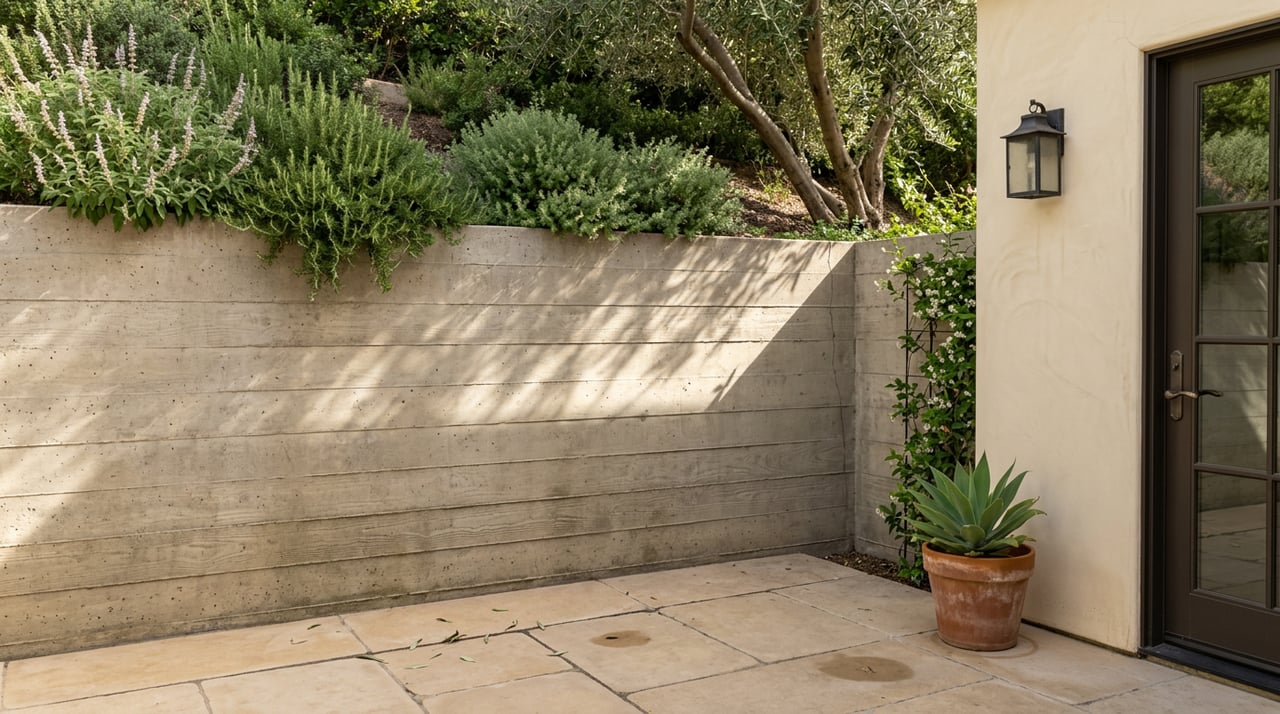
- Retaining walls are often the most expensive maintenance item. Look at age, materials, drainage weep holes, and any visible cracking or lean.
Access and parking realities
Driveways and street grade
- A home perched above the street may need a long, steep driveway or a switchback approach. That impacts daily parking, unloading groceries, and furniture moves.
- Steep driveways affect vehicle clearance and can be limited by city safety and emergency access rules. Verify driveway slope and turning room during showings.
- Shared drives or private access easements are common. Review recorded maintenance agreements before you commit.
Parking and guest access
- Many hillside homes tuck garages under the living space, which adds interior stairs and circulation to your daily routine.
- Street parking can be tight on narrow roads. Some areas use preferential parking programs. Check local restrictions early to match your household’s needs.
- If universal access is a priority, assess walkways, steps, and entry sequences. Steep approaches can be challenging for guests.
Emergency access and safety
- The fire department sets standards for driveway width and grade, hydrant spacing, address visibility, and turnarounds. Homes on narrow or steep roads may need added fire protection measures.
- Evaluate ingress and egress under emergency scenarios, such as wildfire season or heavy storms, when hillside streets can become congested.
LA hillside rules: what affects you
Los Angeles uses a constellation of rules that apply to hillside homes, including zoning, grading and building codes, fire access standards, and overlay zones. There is no single “Hillside Ordinance” that covers everything. Treat high‑level summaries as a starting point and verify parcel‑specific requirements with an architect, planner, or the city.
Permits and required technical studies
- Significant earthwork often needs grading permits, engineered plans, and a geotechnical report.
- Retaining walls above certain heights require engineering and permits. Unpermitted walls may need to be brought up to code.
- Many projects require reports such as soils, structural, drainage and hydrology, and sometimes arborist evaluations.
Height, floor area, and drainage
- On slopes, height and story counts are measured against average natural grade, which can allow creative stepped designs but complicate compliance.
- Floor area, lot coverage, and impervious surface limits are often stricter in hillside areas. Basements and below‑grade spaces can be treated differently.
- Drainage and stormwater plans must prevent runoff impacts on downhill properties and often include low‑impact development measures.
Records to review before you offer
- Permit history and any open code enforcement cases.
- Zoning designation and any overlays or special grading areas.
- Recorded easements, CC&Rs, and shared‑road maintenance agreements.
- Existing geotechnical, structural, and drainage reports, plus as‑builts for walls and major grading.
Engineering, risk, and ongoing maintenance
Core investigations to order
- Geotechnical (soils) report to evaluate slope stability, liquefaction potential, and foundation recommendations.
- Structural review of foundations, perched slabs, cantilevers, and all retaining walls.
- Drainage/hydrology assessment to map runoff, seepage, and waterproofing needs.
- Arborist report for large or regulated trees affecting slope stability or future plans.
Features and what they mean for you
- Deep foundations such as piles or caissons improve stability on steep or variable soils and raise construction cost.
- Engineered retaining walls need proper drains and backfill. Failures are costly, and signs of distress deserve immediate attention.
- Subsurface drainage and waterproofing protect lower levels and relieve pressure behind walls. Blocked drains can lead to movement.
Costs, timelines, and hazards
- Expect materially higher costs on hillsides due to engineering, specialized trades, and slower permitting. Repairs for retaining walls or foundations can reach tens to hundreds of thousands of dollars, depending on scope.
- Los Angeles is seismically active, and slopes can move during earthquakes or storms. Investigate any history of landslides, erosion, or drainage failures on or near the lot.
- Urban hillsides may also require wildfire‑smart practices like managing vegetation and maintaining defensible space where applicable.
Maintenance you should plan for
- Inspect and maintain retaining walls and drains. Watch for seeps, blocked weep holes, and vegetation pressures.
- Keep roofs and gutters clean to avoid concentrating runoff onto slopes.
- Manage irrigation carefully. Overwatering can destabilize soils.
- If you share a private drive, budget for periodic surface and drainage maintenance.
Insurance and risk financing
- Standard homeowners policies often limit coverage for earthquakes or earth movement. Speak with an insurance professional experienced in Los Angeles hillside properties about endorsements or separate policies.
Silver Lake hillside buyer checklist
Use this quick reference during showings and due diligence:
- Slope across the buildable area measured and understood? Flag if over 25 percent.
- Buildable pad size and shape support your lifestyle and future plans?
- Aspect aligns with your daylight goals and heat management?
- Retaining walls: condition, drainage, and documented permits?
- Driveway slope and turning radius workable for daily life and deliveries?
- Off‑street parking matches your household needs? Nearby street rules checked?
- LAFD access considerations understood for the site and street?
- Any open permits or code issues? Permit history reviewed?
- Prior geotechnical, structural, or drainage reports available and current?
- Easements and shared road agreements recorded and reviewed?
- Preliminary contractor and insurance conversations completed for known items?
Design moves for light, views, and flow
- Consider split‑level or stepped plans that trace the slope to reduce cut and fill, protect trees, and create spatial interest.
- Use clerestories, south‑facing windows, and light wells to bring daylight deep into the plan, especially on north‑facing slopes.
- Decks and cantilevers maximize views, but they add structural complexity. Detail carefully for water and thermal performance.
- Plan privacy by elevation. Vertical separation can be an asset when sightlines are studied early.
How we help you buy with confidence
You want a hillside home that feels inspired and lives well every day. Our team pairs architectural insight with practical, on‑the‑ground due diligence to help you read a lot’s potential, spot red flags, and connect with the right local professionals. When you are ready to tour, compare options, or price improvements, we guide the process with clarity and care.
Ready to find your Silver Lake hillside home? Schedule a consult with Jose Prats and start your search with a trusted local partner.
FAQs
What makes a Silver Lake hillside lot different from a flat lot?
- Steep slopes shape design, access, and costs, while smaller lots, older retaining walls, and tight property lines require careful review of structure, drainage, and sightlines.
How steep is too steep for a Los Angeles driveway on a hillside home?
- City rules set maximum driveway slopes for safety and emergency access, so verify parcel‑specific requirements with the city and evaluate usability during showings.
What inspections should I order before buying a Silver Lake hillside home?
- Prioritize a geotechnical report, structural review of foundations and retaining walls, a drainage assessment, and an arborist evaluation for major trees.
Are earthquakes and landslides a bigger concern on Silver Lake hillsides?
- Los Angeles is seismically active, and slopes can move during quakes or storms, so investigate hazard mapping, past movement, and drainage conditions on and near the lot.
How do parking and access work on narrow Silver Lake streets?
- Many streets are tight, some use preferential parking programs, and steep driveways are common, so confirm off‑street spaces, street rules, and delivery or moving logistics early.