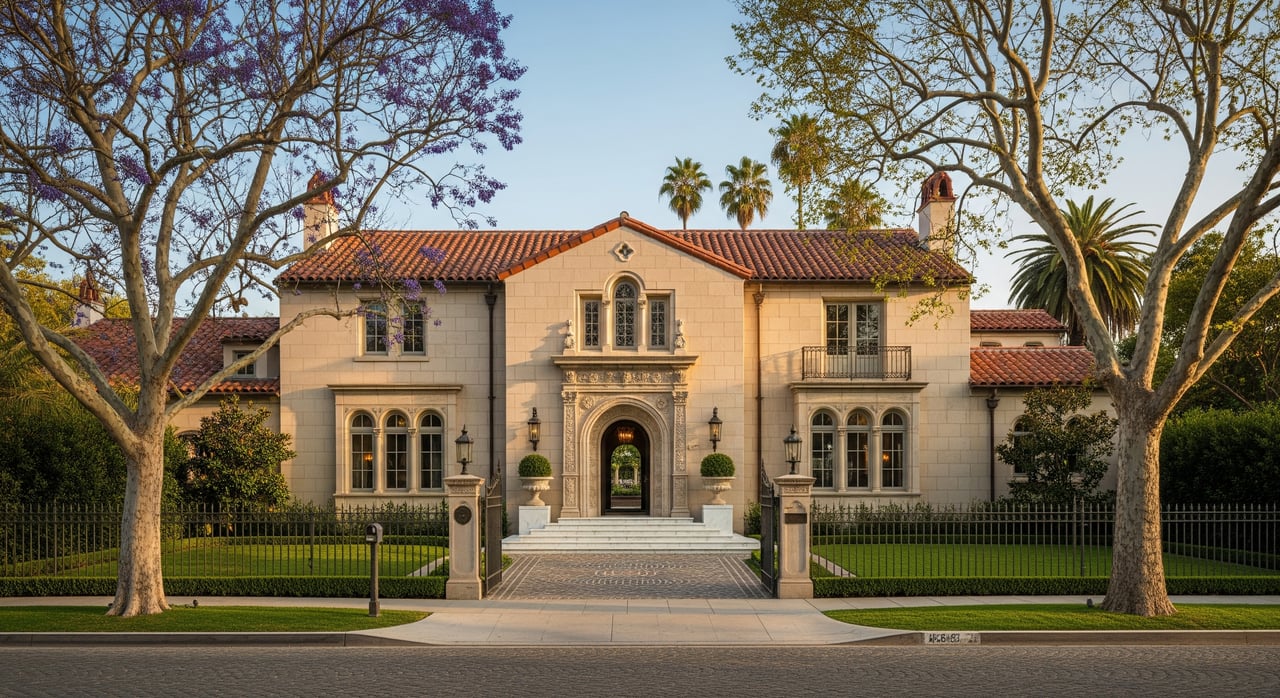
Buying in Hancock Park often means falling for a home with storybook details and a price tag to match. If you are eyeing a Spanish Revival, a well‑kept Craftsman, or a thoughtfully renovated estate, there is a good chance your financing will be jumbo. That term can feel intimidating, especially when you hear about stricter documentation and longer timelines. This guide breaks down what counts as jumbo, what lenders expect, how rates and programs work, and how to plan your offer and escrow in Hancock Park. Let’s dive in.
What counts as a jumbo loan in Hancock Park
A loan becomes “jumbo” when it exceeds the conforming loan limit set for the county in a given year. For 2024, the national baseline for a one‑unit property is $766,550. In high‑cost counties like Los Angeles, the conforming limit for a single‑family home goes up to $1,149,825. If the mortgage you need is above the Los Angeles County limit that applies, your loan will be jumbo.
Why this matters: jumbo loans are not purchased by Fannie Mae or Freddie Mac. Because of that, lenders lean more on your individual profile and apply tighter documentation, credit, and reserve requirements. In a neighborhood where many homes sell above conforming thresholds, preparing for jumbo standards early can give you a real edge.
How jumbo underwriting really works
Jumbo underwriting looks at the full picture: income stability, assets, reserves, credit history, property type, and appraisal. Expect more verification and more time to process.
Income verification
- Salaried borrowers typically provide two years of W‑2s, recent pay stubs, and two years of federal tax returns.
- Self‑employed buyers should plan for two years of personal and often business returns, year‑to‑date profit and loss statements, and possibly a CPA letter. Some lenders may ask for IRS tax transcripts.
- Alternative documentation programs do exist, such as bank‑statement or stated‑income options. These are usually non‑QM products with higher rates and stricter pricing.
Assets and reserves
- You will verify funds for down payment and closing costs with recent bank or brokerage statements.
- Many jumbo programs require significant post‑closing reserves. Plan for 6 to 12 months of total housing payments or more, depending on your loan‑to‑value, property type, and profile.
- Lenders will review large deposits for source and seasoning, so organize your paper trail early.
Credit score and history
- Strong jumbo pricing typically favors higher FICO scores, often in the 700 to 760+ range. Lower scores can still qualify, but with tougher terms.
- Lenders scrutinize recent credit events. Expect stricter seasoning periods for issues like bankruptcies or foreclosures.
- Keep your credit stable during escrow. Avoid new trade lines or major purchases that could shift your profile.
Debt‑to‑income (DTI)
- Many lenders target lower DTIs for jumbo loans, often under 43 percent.
- Exceptions may occur if you have compensating strengths such as high reserves, low loan‑to‑value, or substantial assets.
- Work through multiple scenarios with your lender to understand how changes in rate, taxes, or insurance affect DTI.
Down payment and LTV
- Minimum down payments commonly start around 10 to 20 percent for well‑qualified buyers.
- Many clients choose 20 to 30 percent to access better pricing and ease lender overlays.
- For cash‑out refinancing, expect lower maximum LTVs than for purchases.
Appraisal and valuation
- Full interior appraisals are standard for jumbo loans.
- Unique or historic properties may need deeper analysis and stronger comparable sales support. Lenders may request a second valuation review if comps are limited.
- If the home has notable custom features or a significant renovation, be ready to provide documentation that helps the appraiser understand scope and quality.
Property type and condition
- Older character homes with deferred maintenance can trigger repair requirements before funding.
- Some property types, such as complex multi‑structure parcels or mixed‑use elements, may face tighter guidelines.
- Condos and co‑ops can be eligible if they meet lender approval rules.
Other documentation
- Purchases in a trust, LLC, or by non‑US citizens may require additional paperwork and reserves.
- Gift funds are often allowed with proper documentation and seasoning.
- Clear title matters. Unresolved permits or historic restrictions can delay underwriting until issues are clarified.
Rates, programs, and what drives pricing
Jumbo rates do not always move in lockstep with conforming loans. Since these loans are not backed by Fannie Mae or Freddie Mac, pricing is driven by investor appetite, your credit profile, LTV, loan size, and the program you choose.
Fixed‑rate jumbos
- Choose a 15‑, 20‑, or 30‑year fixed when payment stability matters most.
- These work well if you plan to hold the property for many years or prefer budgeting certainty.
- Pricing responds to your FICO, LTV, and total loan amount.
Hybrid ARMs
- 5‑, 7‑, or 10‑year fixed periods with adjustments after the initial term can offer lower starting rates.
- These are useful if you plan to sell or refinance within the fixed window.
- Understand the index, margins, caps, and worst‑case payment after the first adjustment.
Portfolio and bank‑sponsored jumbo loans
- Some banks keep jumbos on their own books.
- If you have a strong relationship or significant deposits, you may see flexible underwriting or longer rate holds.
- Programs vary widely by institution and market conditions.
Non‑QM and alternative documentation
- Bank‑statement, asset‑depletion, and stated‑income options serve self‑employed or complex income profiles.
- Expect higher rates and stricter pricing compared to full‑doc programs.
- These can be powerful tools when used intentionally and with full awareness of costs.
Interest‑only structures
- Interest‑only jumbos can lower initial payments for high‑net‑worth borrowers who value cash flow or expect income changes.
- There are limits on amortization and qualification, and pricing runs higher.
- Fit this to a clear plan for principal reduction over time.
Rate locks and timelines
- Jumbo approvals often require 30 to 45 days to close. Unique appraisals, complex income, or repair conditions can add time.
- Plan your rate lock to safely cover appraisal, underwriting, and any required repairs.
- In volatile markets, spreads can widen quickly, so get multiple quotes early.
Hancock Park specifics to plan for
Buying a character home here brings appraisal nuance, potential historic rules, and escrow details that can affect your financing timeline.
Appraisal strategy for character homes
- Many Hancock Park properties are historic, renovated, or highly customized. Fewer comparable sales may exist.
- Expect a thorough interior appraisal. Lenders can ask for additional comps, renovation permits, or professional restoration documentation.
- Start the appraisal order early and coordinate access to records that support the home’s value.
Historic districts and permits
- Some properties sit in historic preservation overlays. Prior work may require proof of permits or code compliance.
- Lenders often need confirmation that major systems meet habitability standards.
- If you are aware of past projects, gather available permits and contractor invoices to streamline review.
Local taxes, fees, and escrow
- Budget for Los Angeles County and City transfer and recording fees, title insurance, and escrow fees.
- Some parcels may include local assessments or Mello‑Roos. Confirm with title and escrow early.
- Knowing these figures upfront helps fine‑tune your DTI and cash‑to‑close.
Timeline and contingencies
- Aim for a fully documented pre‑approval, not just a pre‑qualification, before touring seriously.
- Plan for a 30 to 45+ day escrow on jumbo purchases.
- Build flexibility into inspection and appraisal contingencies in case valuation, permits, or repairs need extra time.
Cash reserves and closing costs
- Many jumbo programs require more months of reserves after closing.
- Document liquid assets clearly and avoid last‑minute transfers.
- Season any large deposits so the source is easy to verify during underwriting.
Work with local specialists
- Use a lender and title team with jumbo and Los Angeles experience.
- An agent who understands character homes can anticipate appraisal and permitting questions.
- Coordinated communication reduces surprises and keeps your escrow on track.
Negotiation implications
- Sellers tend to value buyers who are already fully approved with a jumbo lender.
- A strong pre‑approval and clear financing contingencies can make your offer stand out without overpaying.
- Timely appraisal scheduling and organized documents show you are serious and ready.
Your jumbo prep checklist
- Confirm the current Los Angeles County conforming limit for the year you plan to buy. Any loan amount above that is jumbo.
- Get fully documented pre‑approval. Share W‑2s or tax returns, bank statements, and authorization for transcripts if needed.
- Map your reserves. Target at least 6 to 12 months of housing payments based on program guidance.
- Decide on a program. Compare fixed‑rate, ARM, portfolio, and non‑QM options against your timeline and risk tolerance.
- Plan your down payment. Explore pricing differences at 20, 25, and 30 percent LTV tiers if applicable.
- Clarify rate lock strategy. Match the lock to a realistic escrow and appraisal timeline.
- Prepare for appraisal. Gather renovation permits, material specs, or restoration documentation that supports value.
- Audit title and permits early. Ask escrow for any historic overlay details or open permits that could trigger lender questions.
- Build realistic contingencies. Allow time for appraisal reviews and any required repairs.
- Strengthen your offer. Present full pre‑approval, clear proof of funds, and a responsive timeline.
Common mistakes to avoid
- Waiting to organize documents until after you open escrow. Jumbo underwriting is document‑heavy, so start early.
- Assuming PMI will bridge a small down payment gap. Most jumbos simply require more equity or stronger borrower qualifications.
- Picking a program on rate alone. Consider ARMs versus fixed based on your hold horizon and reset risk.
- Underestimating appraisal complexity for historic or customized properties. Engage early and share supporting documentation.
- Overly tight contingencies. Give your lender and appraiser time to do it right and avoid costly extensions.
Buying a character home in Hancock Park should feel inspiring, not opaque. With the right prep, a clear jumbo plan, and a team that understands both architecture and underwriting, you can move from tours to keys with confidence. If you want local guidance on appraisals, permits, and lender selection tailored to character properties, reach out to the team that lives and breathes this niche. Connect with Jose Prats to align your financing game plan with the right property strategy.
FAQs
How do I know if my loan is jumbo in Hancock Park?
- Any loan amount above the current Los Angeles County conforming limit for a single‑family home becomes a jumbo, which follows different underwriting rules.
Do jumbo loans require private mortgage insurance?
- Not typically. Most lenders set higher down payment and borrower qualifications instead of traditional PMI, though some lender‑level options may exist.
Can self‑employed buyers qualify without tax returns?
- Some non‑QM programs use bank statements or asset‑depletion methods, but they usually come with higher rates and stricter pricing compared to full‑doc loans.
How long does jumbo underwriting take in Los Angeles?
- Plan for 30 to 45 days to close. Complex files, unique appraisals, or required repairs can extend the timeline, so build cushion into contingencies.
Are interest‑only jumbo mortgages available?
- Yes. These are specialized options suited for certain high‑net‑worth scenarios. They often carry higher pricing and require clear planning around future principal reduction.