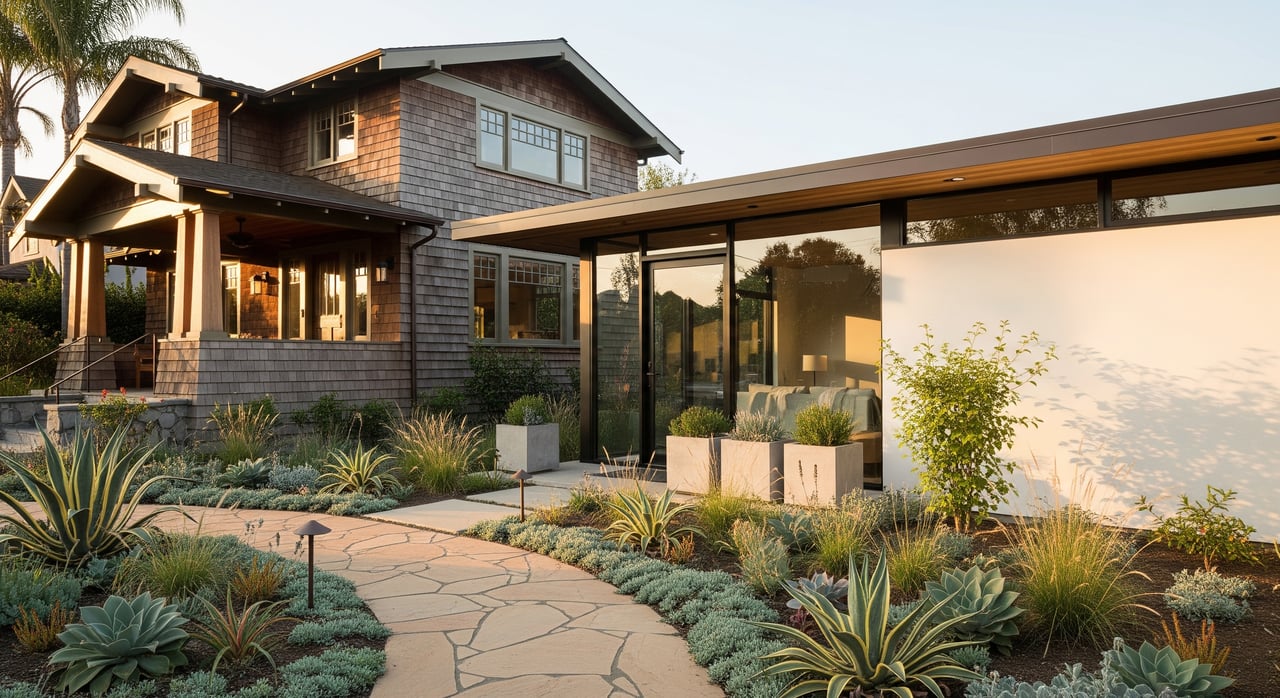
Torn between a sun-washed Spanish bungalow and a glassy Mid‑Century in Santa Monica? You are not alone. Each style offers a distinct feel, lifestyle, and renovation path that plays out differently in this coastal city. In this guide, you will compare light, layout, lot patterns, permits, and practical costs so you can choose with confidence. Let’s dive in.
Where these homes cluster in Santa Monica
You will see more early bungalows in Ocean Park and parts of Pico, where lots tend to be smaller and close to the beach and Main Street. Downtown and Northeast Santa Monica also mix older bungalows with small multiunit properties on compact parcels. Sunset Park and Mid‑City have a larger share of post‑war Mid‑Century homes, plus later remodels. North of Montana and Wilshire‑Montana often feature higher‑end single‑family properties, including preserved period homes and design‑forward mid‑century or modern residences on larger lots. In Santa Monica Canyon and southern slopes, you will find notable Mid‑Century Modern and custom homes with an indoor/outdoor orientation.
Lot size influences everything. Smaller older lots often range from about 3,000 to 6,000 square feet. Larger lots, especially North of Montana or parts of Sunset Park, can exceed 6,000 square feet and open the door for larger additions or an ADU, subject to local rules. Always verify exact dimensions through official records before planning a project.
Spanish bungalow: How it lives
Layout and flow
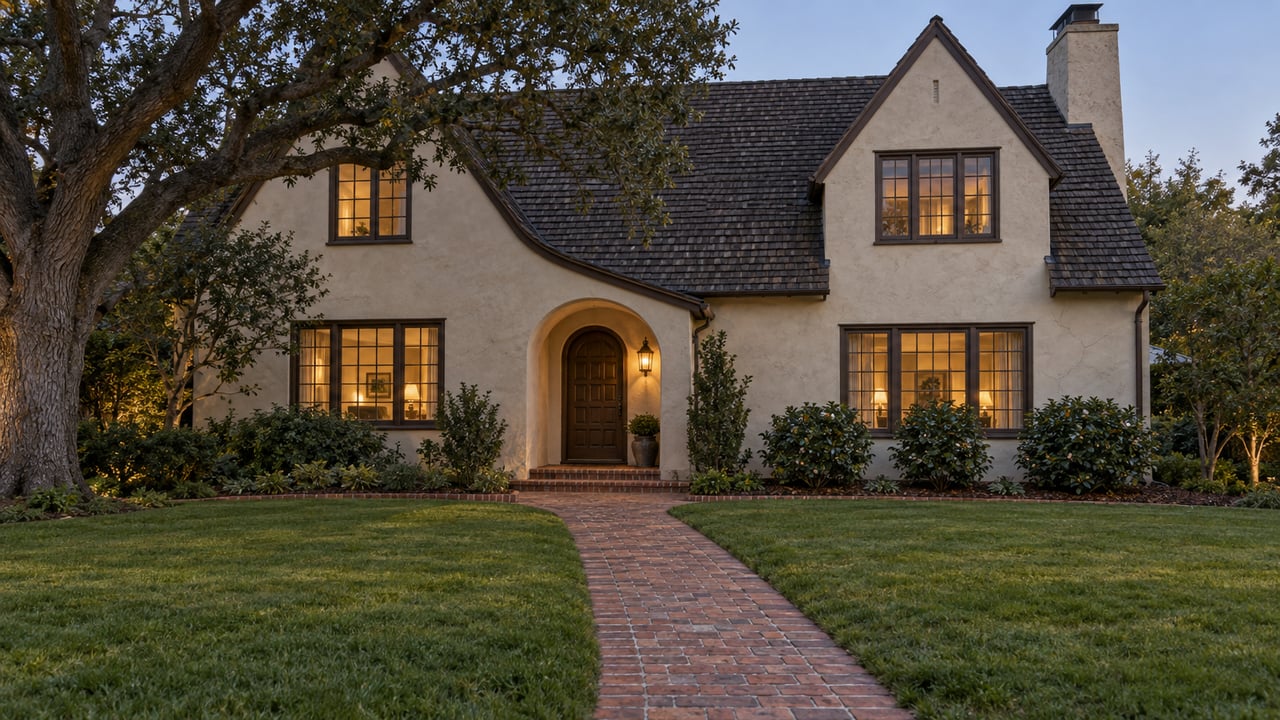
Spanish bungalows in Santa Monica generally date from the 1910s to the 1930s. The interiors are cozy and compartmentalized, often with a defined living room, dining room, and smaller bedrooms. Many are single story with modest ceiling heights. Porches and a prominent entry anchor the home to the street, while the backyard is a private retreat rather than an extension of the main living space.
Light and materials
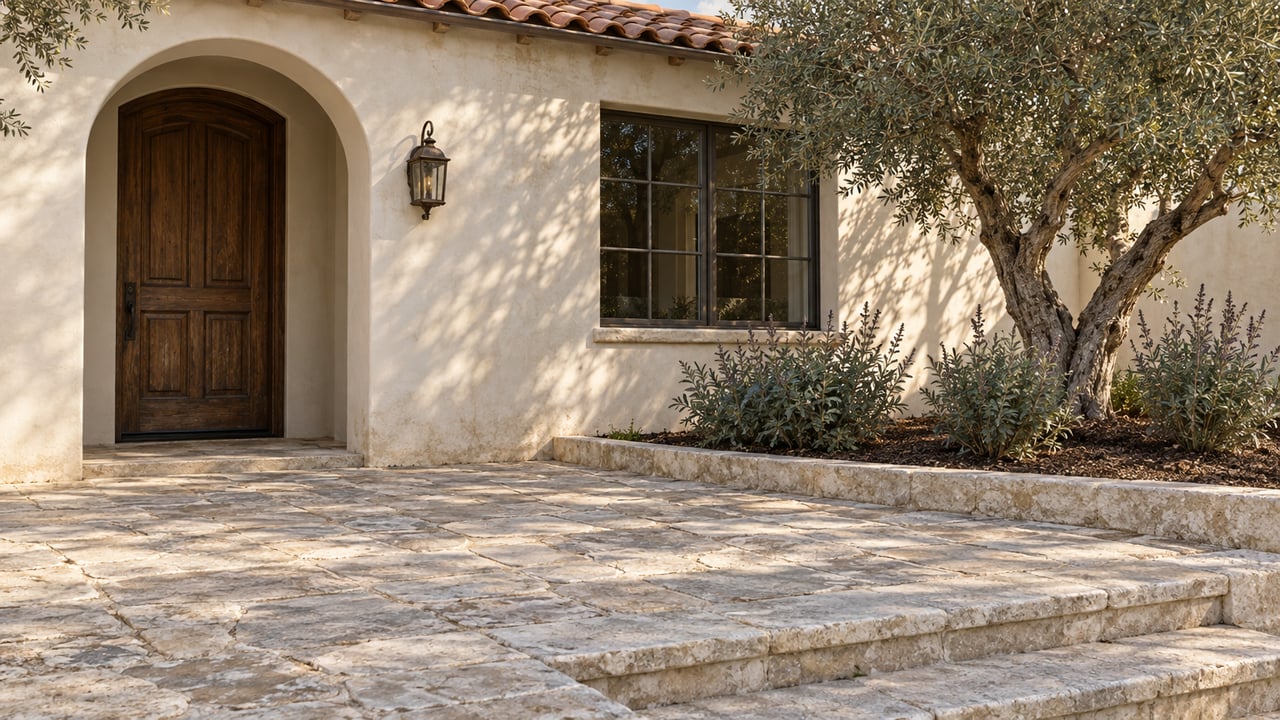
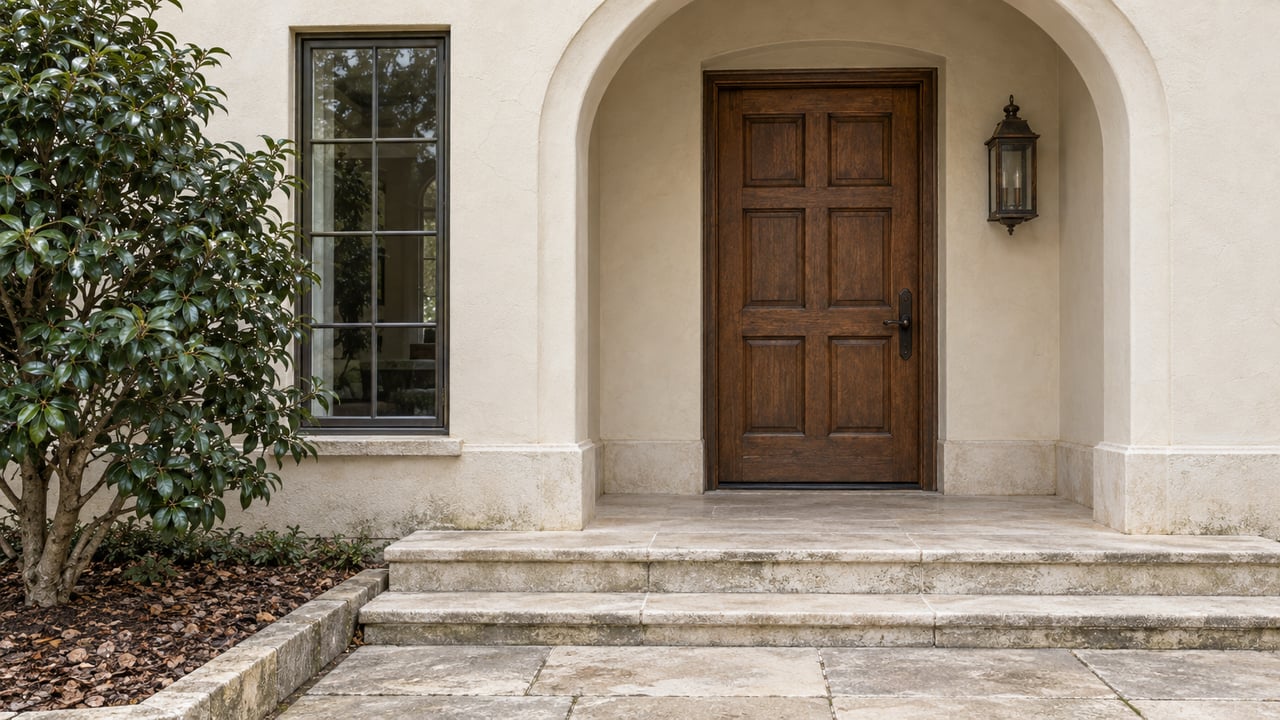
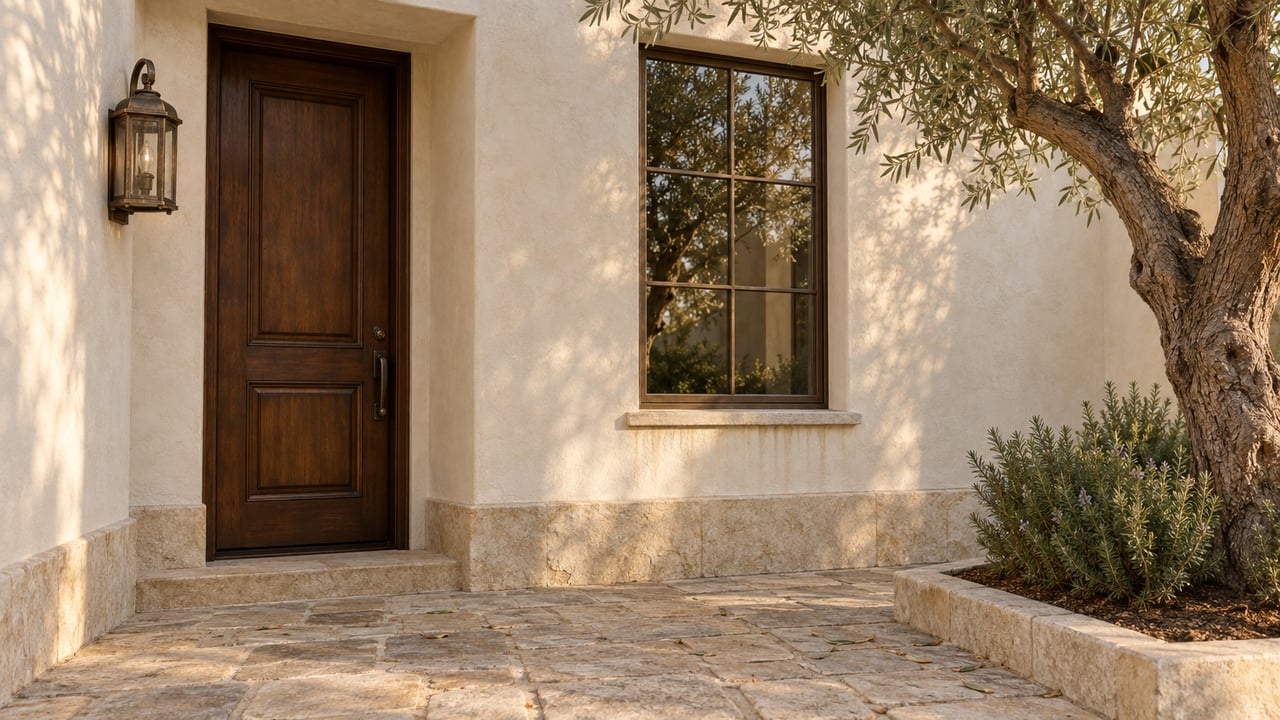
Expect filtered light through smaller window openings. Without upgrades, some rooms can feel darker compared to modern homes. Period materials are the charm: stucco exteriors, clay tile roofs, decorative tile, plaster walls, original hardwood floors or terracotta tile, and detailed millwork. Fireplaces and built‑ins often act as focal points.
Lot setting and street presence
Bungalows usually sit closer to the street with smaller front yards, stoops, and compact rear yards. This suits buyers who appreciate neighborhood street life and a human scale.
Who it fits
You may prefer a bungalow if you value historic character, original details, and a cozy scale. It is ideal if you want to restore and celebrate period features while modernizing carefully.
Mid‑Century: How it lives
Layout and flow
Mid‑Century homes typically span the late 1940s to the 1960s with open or semi‑open plans. Living, dining, and kitchen spaces flow together with long sightlines. Large glass, sliding doors, and patios or courtyards connect interiors to the outdoors. Many are single story with flat or low‑slope roofs, though some include clerestory windows or second stories.
Light and materials
Abundant natural light is the signature. Picture windows, sliding glass walls, and clerestories bring the outside in. Materials lean simple and modern: wood siding, stone accents, post‑and‑beam framing, large panes of glass, and wide overhangs. Concrete slabs are common.
Lot setting and privacy
Mid‑Century homes often use carports or integrated garages, with private patios and landscaped courtyards that extend living spaces. Side setbacks can feel broader on certain blocks, and orientation to gardens or views is intentional.
Who it fits
Choose Mid‑Century if you crave openness, clean lines, and indoor/outdoor living. This style suits buyers who want modern flow and natural light while preserving authentic mid‑century character.
Everyday living: Tradeoffs to weigh
Light and openness
- Bungalow: filtered light and smaller windows unless upgraded. Cozy rooms offer privacy and defined zones.
- Mid‑Century: large glazing brings abundant natural light, views, and seamless outdoor access.
Privacy and street life
- Bungalow: street‑facing presence with porch culture; ideal if you enjoy neighborhood interaction.
- Mid‑Century: oriented inward to patios and gardens for more privacy.
Furniture and layout
- Bungalow: traditional rooms suit defined furniture groupings and a classic dining room.
- Mid‑Century: flexible open plans work well for larger gatherings and integrated living.
Maintenance and materials
- Bungalow: stucco and clay tile require routine care; preserving tile, plaster, and millwork needs specialist trades.
- Mid‑Century: wood siding and big glass need coastal‑grade finishes, regular sealing, and attention to roof waterproofing.
Renovation reality in Santa Monica
Systems and structure
Many original bungalows and mid‑century homes predate central HVAC and modern electrical service. It is common to see older panels, galvanized plumbing, and single‑pane windows. Foundations can show settlement, and crawlspaces or slabs may need work. Termites, moisture, and rot are recurring themes due to coastal humidity and salt exposure. Expect to budget for electrical upgrades, plumbing refreshes, window improvements, and pest repairs as needed.
Seismic priorities
Wood‑frame homes built before 1970 often require seismic bracing for cripple walls, bolting, and foundation reinforcement when you renovate or pull permits. Mid‑Century post‑and‑beam houses can have unique lateral systems, and soft‑story conditions near open carports may need attention. Engaging a structural engineer early is a smart move.
Permits, historic review, and the coastal layer
Santa Monica has robust planning and community development procedures. Exterior changes and additions often require planning review, and some neighborhoods have Design Review considerations. If a property appears on the city’s Historic Resources Inventory or holds a local designation, expect additional review for exterior changes. Interiors may be less restricted, but confirm case by case with the city.
If the property lies in the coastal zone, the city’s Local Coastal Program can add permit layers and extend timelines. Plan ahead for sequencing, and build review time into your financing and construction schedule.
ADUs and parking
California has enabled ADUs broadly, and Santa Monica applies local siting, height, and parking rules. On smaller lots, placement can be tight, and setbacks matter. An ADU can add meaningful value and flexibility, but you should confirm sewer capacity, utilities, and parking requirements early. Curb cuts and street parking rules are relevant on compact parcels.
Budgeting smartly
Local labor, permitting, and contractor availability carry premium costs in Santa Monica. Treat budgets as ranges and hold a healthy contingency, often 10 to 20 percent or more for older homes. Cosmetic refreshes may be manageable if systems are sound. Full kitchen or bath rebuilds, window packages, roof work on low‑slope roofs, additions, ADUs, and seismic upgrades will increase both cost and timelines. Obtain multiple bids from local contractors and fold in structural and historic consultants when appropriate.
Style‑specific renovation priorities
Spanish bungalow priorities
- Preserve and restore original plaster, millwork, fireplace surrounds, and decorative tile where feasible.
- Improve daylight with strategic openings or skylights while respecting the facade and historic fabric.
- Upgrade electrical service, address foundation settlement, and correct any termite or rot issues.
- Rework kitchens for better flow while maintaining period character through materials and details.
Mid‑Century priorities
- Replace or restore large single‑pane glass with efficient glazing that preserves sightlines.
- Inspect and repair low‑slope roofs, flashings, and drainage details.
- Protect post‑and‑beam elements, resolve structural quirks, and upgrade HVAC thoughtfully.
- Maintain the open plan while modernizing kitchens and baths in a way that respects the original vocabulary.
Lot size, siting, and how it shapes your plan
- Smaller lots in Ocean Park or parts of Pico limit expansion but excel for walkability and beach proximity.
- Larger lots North of Montana and in areas of Sunset Park can support deeper yards and, in some cases, additions or an ADU, subject to setbacks and review.
- Verify lot dimensions via official records, and study setbacks, height limits, and any overlay districts before designing a project.
Decision framework: How to choose your fit
Step 1: Define the vibe
- Do you lean toward intimate period character or open, light‑filled spaces?
- Is a defined dining room essential, or do you prefer a great‑room layout?
- Do you want a street‑engaged porch culture or a private courtyard feel?
Step 2: Assess renovation appetite
- Are you comfortable restoring original elements that need specialist trades?
- Can you handle upgrades to systems, seismic, or glazing in the first few years?
- What is your tolerance for permit timelines and design review?
Step 3: Align lot and lifestyle
- Do you want space for an ADU or a larger yard for outdoor living?
- Is proximity to shops, transit, or the beach your top priority?
- Does the orientation offer the light and privacy you want day to day?
Step 4: Technical checks before you offer
- Foundation and structure: look for cracks, settlement, or soft‑story conditions.
- Roof and drainage: confirm age and detailing, especially flat or low‑slope roofs.
- Moisture and pests: inspect eaves, stucco, and framing for rot or termites.
- Systems: note electrical service size, HVAC type, water heater age, and sewer lateral condition.
- Records: verify historic status, prior permits, and any unpermitted changes.
- Parking and curb cuts: understand what is allowed if you plan additions or an ADU.
Step 5: Budget and timeline
- Gather a home inspector’s report, a structural engineer’s opinion, and at least two contractor bids.
- Include contingency for unknowns such as hazardous materials or hidden rot.
- Sequence design, planning review, and construction so financing remains on track.
Resale and long‑term value
Both Spanish bungalows and Mid‑Century homes enjoy strong niche demand in Santa Monica. Resale performance ties to neighborhood, lot, condition, and the quality of any renovations. Homes that balance modern systems with preserved character often shine. Design‑forward, authentically modernized mid‑century properties can also command a premium among buyers who value architecture.
Which one should you buy?
Choose a Spanish bungalow if you want historic charm, cozy rooms, and a street‑engaged presence, and you are excited to preserve original details while upgrading systems. Choose a Mid‑Century if you want light, openness, and indoor/outdoor flow, and you are ready to invest in glazing, roof detailing, and structural clarity. In both cases, success in Santa Monica comes from early due diligence, realistic budgets, and a plan that respects the property’s character.
If you would like help scouting options, pressure‑testing renovation scopes, or navigating permits, the Jose Prats Team specializes in character homes across Los Angeles and understands Santa Monica’s design and planning nuances. When you are ready, reach out to Jose Prats to tour homes that fit your style and move forward with clarity.
FAQs
Which style in Santa Monica gets more natural light?
- Mid‑Century homes typically offer larger windows, sliding glass doors, and clerestory windows designed for abundant natural light. Bungalows can be bright but usually have smaller openings unless modified.
Do Spanish bungalows usually keep original details?
- Many retain plaster walls, built‑ins, decorative tile, and woodwork, though some have later updates. Restoring period elements often requires specialist trades.
Which is easier or cheaper to renovate in Santa Monica?
- It depends on scope. Cosmetic updates in a well‑maintained bungalow can be straightforward. Mid‑Century upgrades to glazing and low‑slope roofs can be costlier. Structural or foundation work raises costs for either style.
Do historic designations limit remodeling in Santa Monica?
- Yes. Designated properties face extra review for exterior changes, and demolition of designated resources is tightly controlled. Interiors may be less restricted, but confirm with city planning.
How does coastal proximity affect maintenance and permits?
- Salt air accelerates corrosion and wear on roofing, siding, and hardware, and some properties in the coastal zone face additional permit layers that can extend timelines.
Are ADUs realistic on Santa Monica lots?
- Many lots can support ADUs under state law and local rules, but smaller parcels tighten placement and setbacks. Plan early for utilities, sewer, and parking considerations.
What specialists should I hire before I buy?
- Engage a home inspector familiar with older homes, a structural engineer, a local contractor experienced with Santa Monica permits, a termite/pest inspector, and a historic consultant if you suspect designation or character concerns.